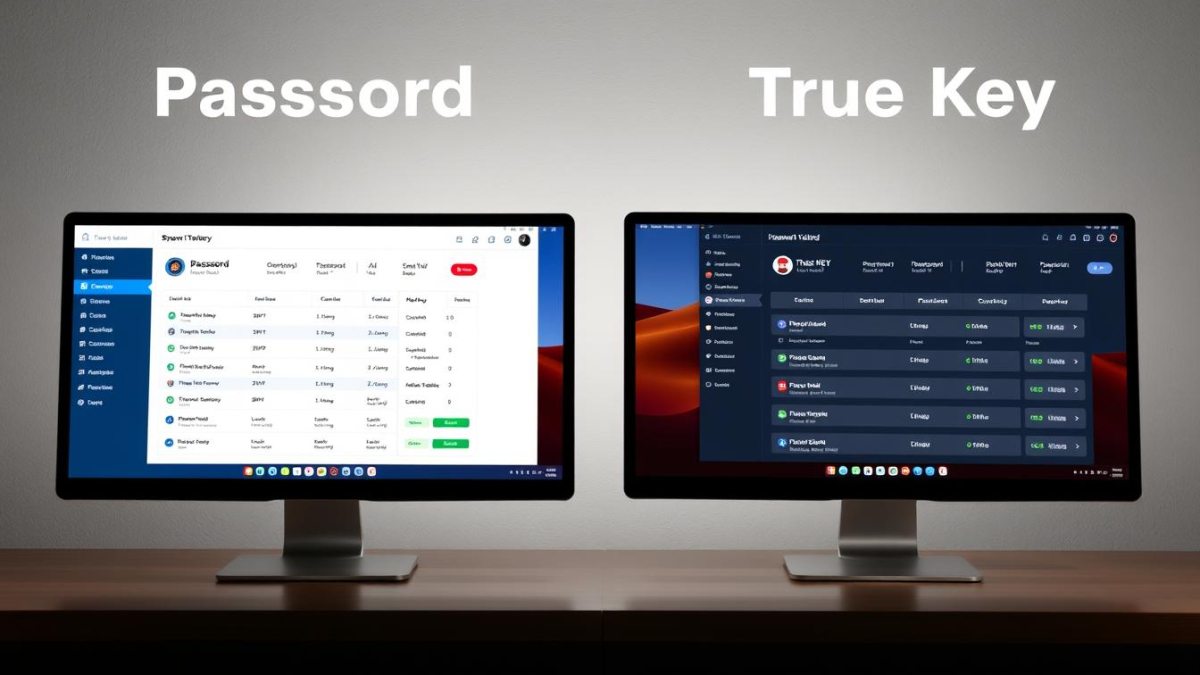
1Password vs True Key

1Password vs True Key: Which Password Manager Should You Choose?

In today’s digital world, managing dozens of unique, complex passwords is virtually impossible without help. Password managers have become essential tools for maintaining strong security while eliminating the frustration of forgotten credentials. Two popular options, 1Password and McAfee True Key, offer different approaches to password management. This comprehensive comparison will help you decide which solution best fits your needs, security requirements, and budget.

1Password vs True Key: Quick Comparison

Feature

Free Version

Premium Plan

Family Plan

Encryption

Password Sharing

Security Audit

Biometric Login

1Password

No (14-day trial only)

$36/year (individual)

$60/year (up to 5 users)

AES-256 bit

Yes

Yes (Watchtower)

Yes

True Key

Yes (limited to 15 passwords)

$20/year (individual)

Not available

AES-256 bit

No

No

Yes (including facial recognition)

Security & Encryption Standards

When choosing a password manager, security should be your top priority. Let’s examine how 1Password and True Key protect your sensitive information.
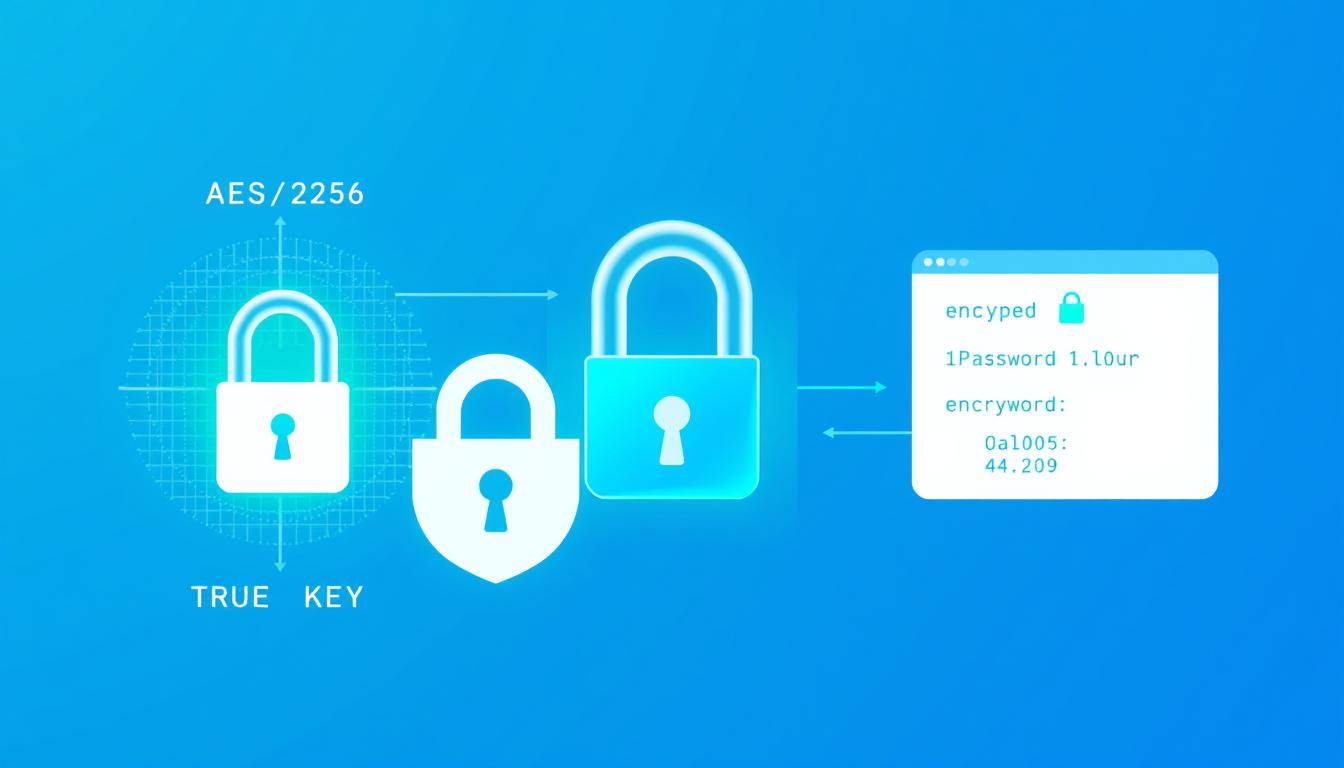
1Password vs True Key encryption and security visualization showing the AES-256 encryption process

Encryption Technology

Both 1Password and True Key use industry-standard AES-256 bit encryption to protect your data. This military-grade encryption is virtually unbreakable with current technology, ensuring your passwords remain secure even if the companies’ servers are compromised.

Zero-Knowledge Architecture

Both password managers employ a zero-knowledge security model, meaning they don’t have access to your master password or the ability to decrypt your data. Only you can unlock your password vault.

1Password’s Security Approach

  • Uses a unique “Secret Key” in addition to your master password for enhanced security
  • Undergoes regular third-party security audits
  • Offers Watchtower feature to identify compromised passwords
  • Provides Travel Mode to temporarily remove sensitive data when crossing borders

True Key’s Security Approach

  • Offers multiple authentication factors including facial recognition
  • Provides automatic sign-out feature (default: 7 days)
  • Allows disabling master password in favor of biometric authentication
  • Lacks comprehensive security audit features

“A password manager is only as secure as its authentication methods. While both services use strong encryption, 1Password’s additional Secret Key provides an extra layer of protection that True Key doesn’t match.”

Cross-Platform Compatibility

The ability to access your passwords across all your devices is crucial for a seamless experience. Here’s how 1Password and True Key compare in terms of platform support.
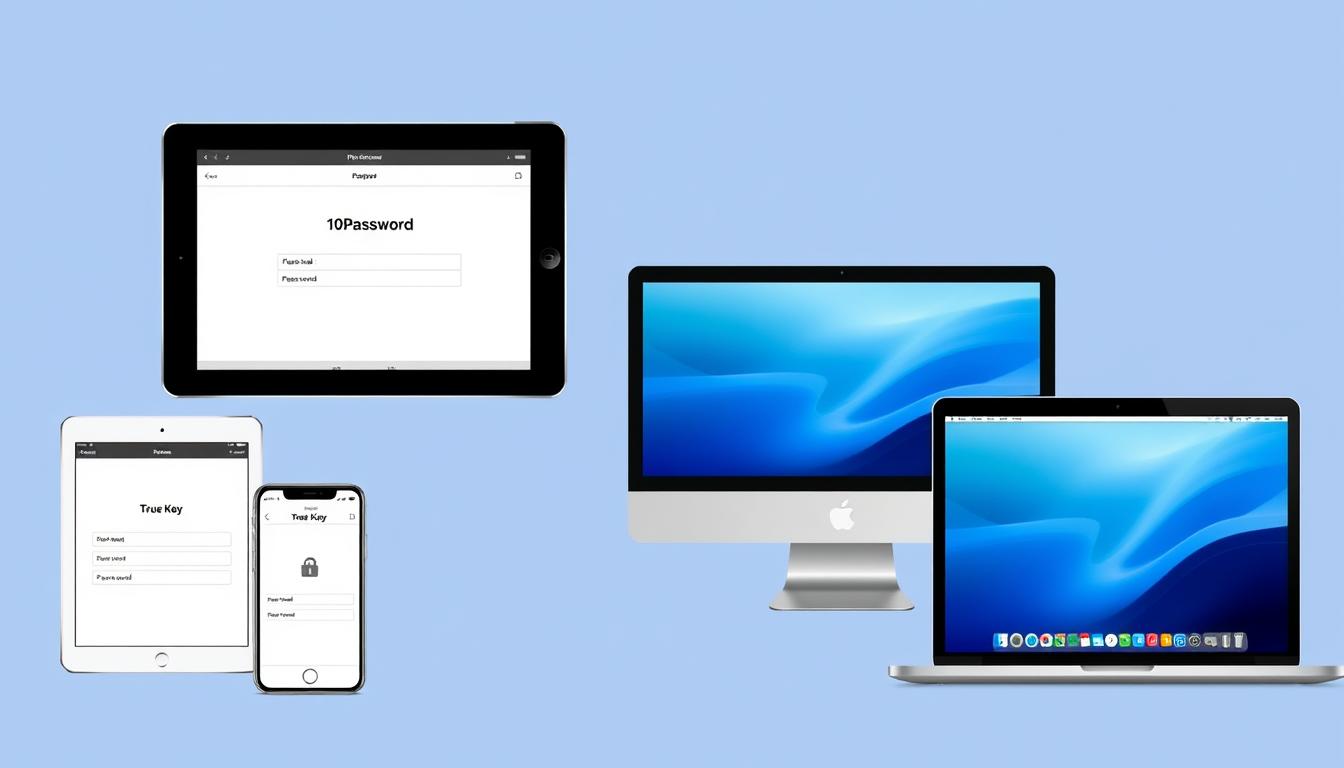
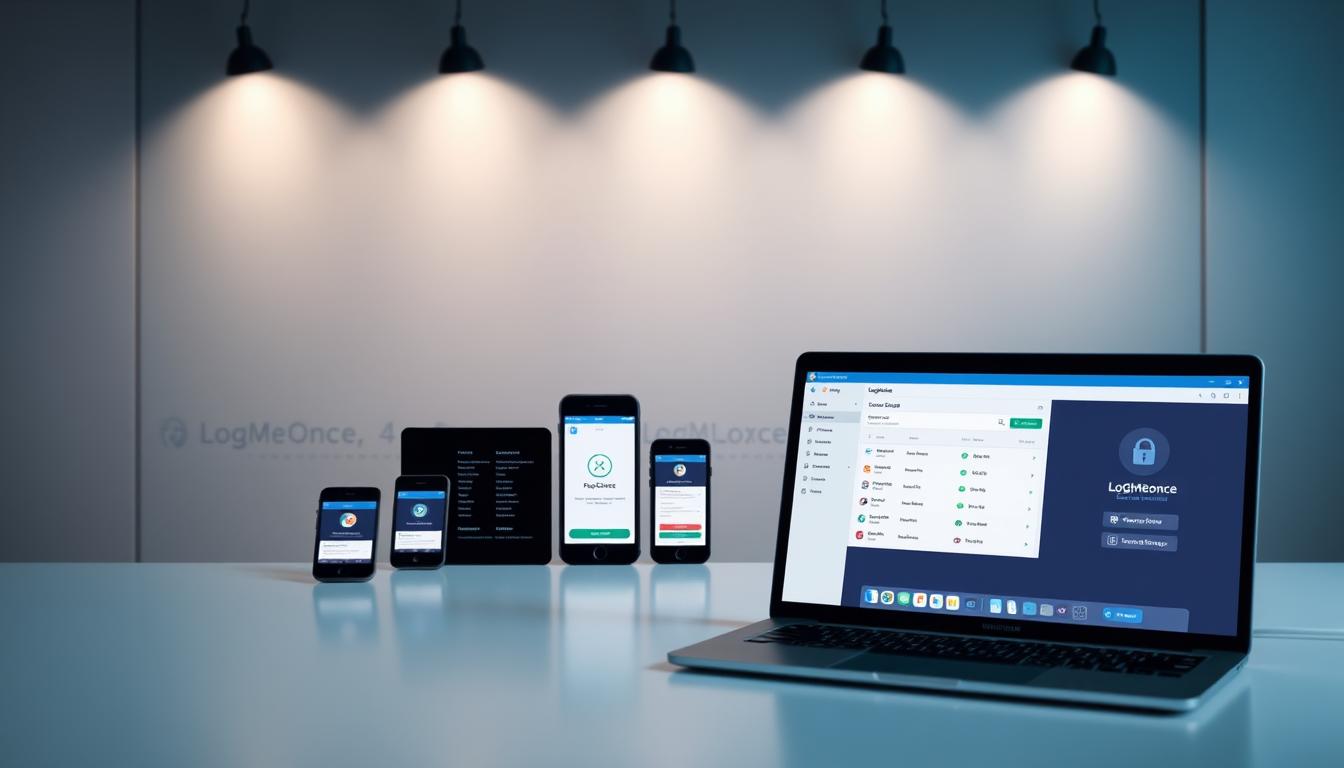
1Password vs True Key shown across multiple devices including smartphones, tablets, and laptops

Platform

Windows

macOS

iOS

Android

Linux

Chrome OS

Browser Extensions

1Password

✓ (Full desktop app)

✓ (Full desktop app)

Chrome, Firefox, Safari, Edge, Brave

True Key

✓ (Limited desktop app)

✓ (Limited desktop app)

Chrome, Firefox, Safari, Edge

Device Sync Limitations

1Password allows unlimited device syncing on all paid plans, ensuring you can access your passwords wherever you are. True Key also offers unlimited device syncing on both free and premium plans, though the free plan is limited to storing only 15 passwords total.

Offline Access

1Password provides full offline access to your password vault once you’ve logged in. True Key requires an internet connection for most functions, as it’s primarily web-based rather than a true desktop application.

Key Difference: True Key’s desktop version is essentially a wrapper for its web interface, while 1Password offers a full-featured native desktop application with more robust functionality.

Two-Factor Authentication (2FA) Support

Adding a second layer of security through two-factor authentication significantly reduces the risk of unauthorized access to your password vault.
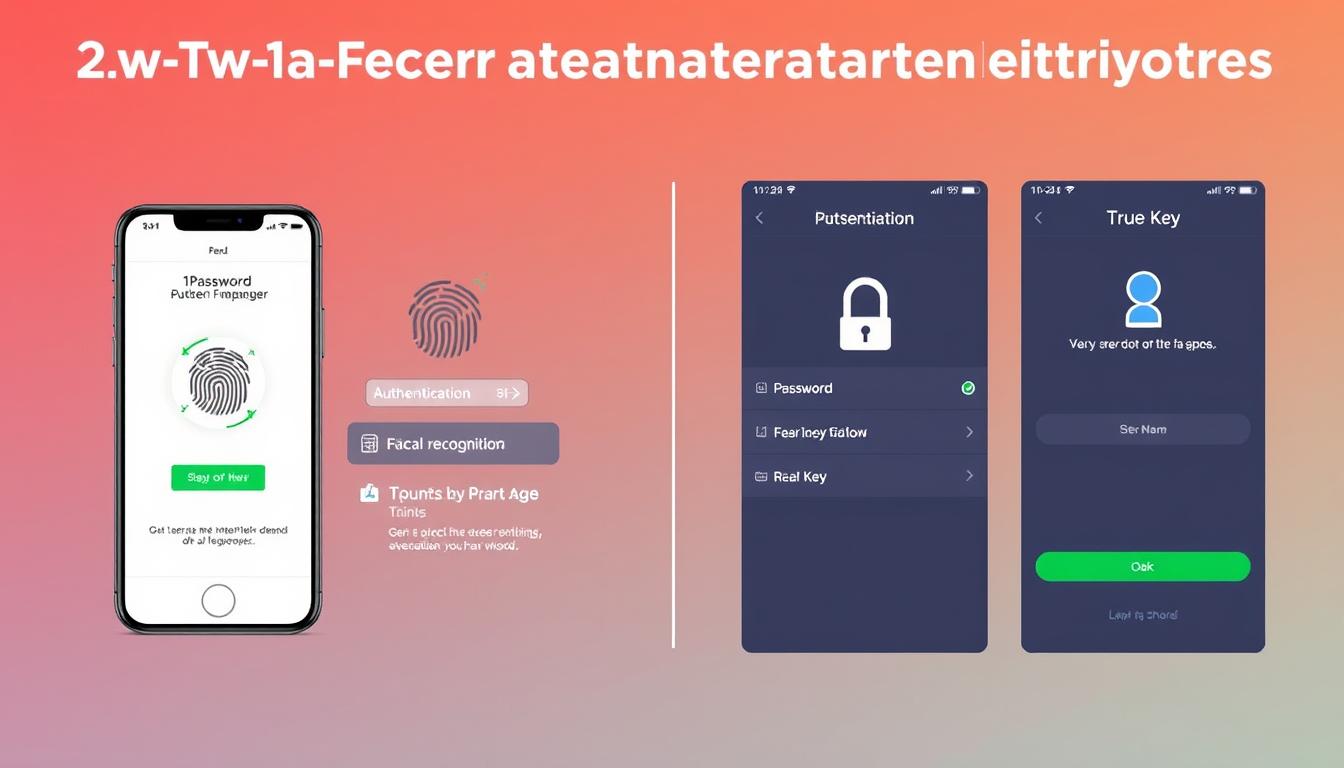
Two-factor authentication methods for 1Password vs True Key showing authentication apps and biometric options

1Password’s 2FA Options

  • Support for authentication apps (Authy, Google Authenticator)
  • Biometric authentication (Face ID, Touch ID, Windows Hello)
  • Physical security key support (YubiKey)
  • SMS-based verification (not recommended but available)

True Key’s Multi-Factor Authentication

  • Facial recognition (using device camera)
  • Fingerprint scanning
  • Second-device verification
  • Option to disable master password in favor of biometric methods

True Key places a stronger emphasis on biometric authentication, particularly facial recognition, which is one of its standout features. 1Password offers more traditional 2FA options but has better support for hardware security keys like YubiKey.

“While True Key’s facial recognition is innovative, security experts generally recommend using hardware security keys like those supported by 1Password for the highest level of protection.”

Password Sharing & Emergency Access

The ability to securely share passwords with family members or colleagues is an important feature for many users.

1Password vs True Key password sharing interface comparison showing family sharing options

1Password’s Sharing Capabilities

1Password excels at password sharing through its vault system:

  • Family plan allows sharing between up to 5 users
  • Create multiple vaults with different sharing permissions
  • Share entire vaults or individual items
  • Family organizers can recover accounts for other members
  • Emergency kit printout for physical backup

True Key’s Sharing Limitations

This is an area where True Key falls significantly short:

  • No built-in password sharing functionality
  • No family or team plans available
  • No emergency access options
  • No account recovery by trusted contacts

Important consideration: If you need to share passwords with family members or require emergency access options, 1Password is clearly the better choice. True Key offers no sharing capabilities whatsoever.

Need to share passwords with family?

1Password’s family plan allows secure password sharing between up to 5 users for just $60/year.

Autofill Capabilities

The convenience of automatically filling passwords and forms is one of the main benefits of using a password manager.
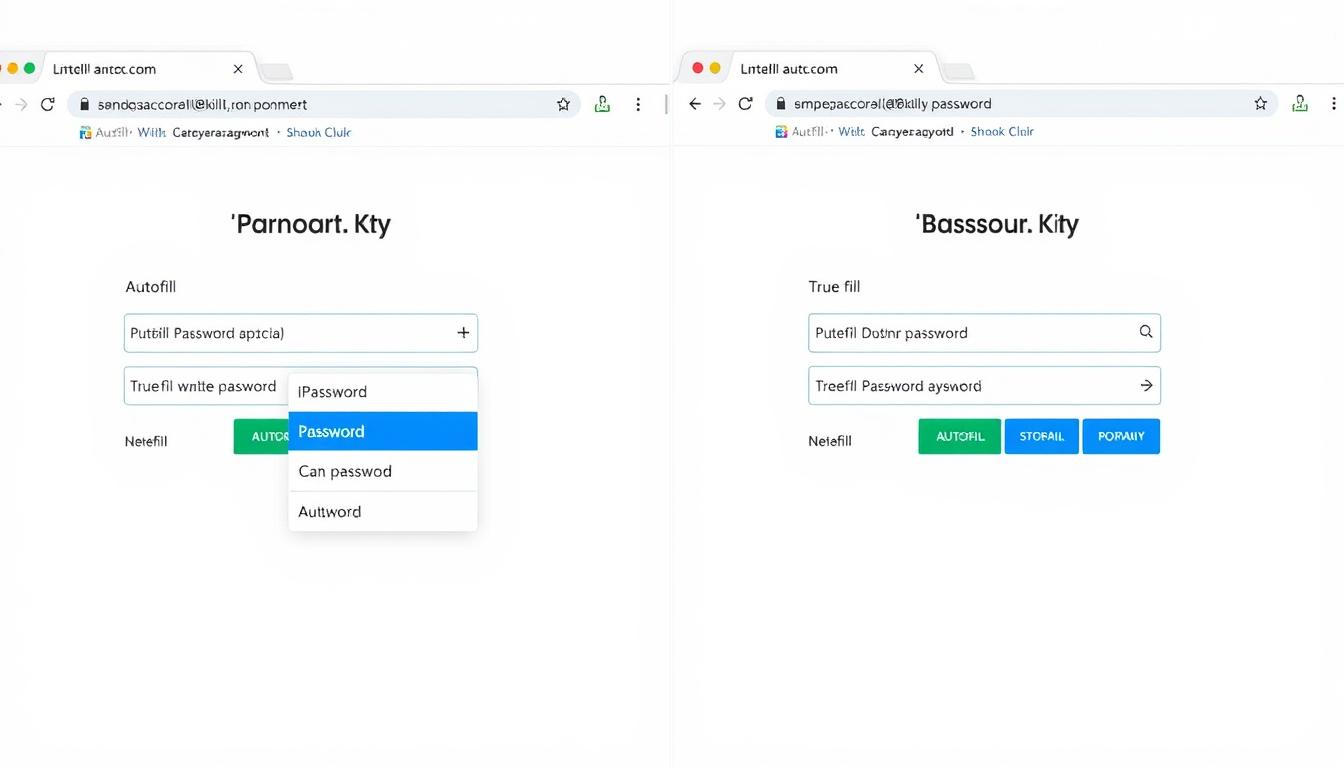
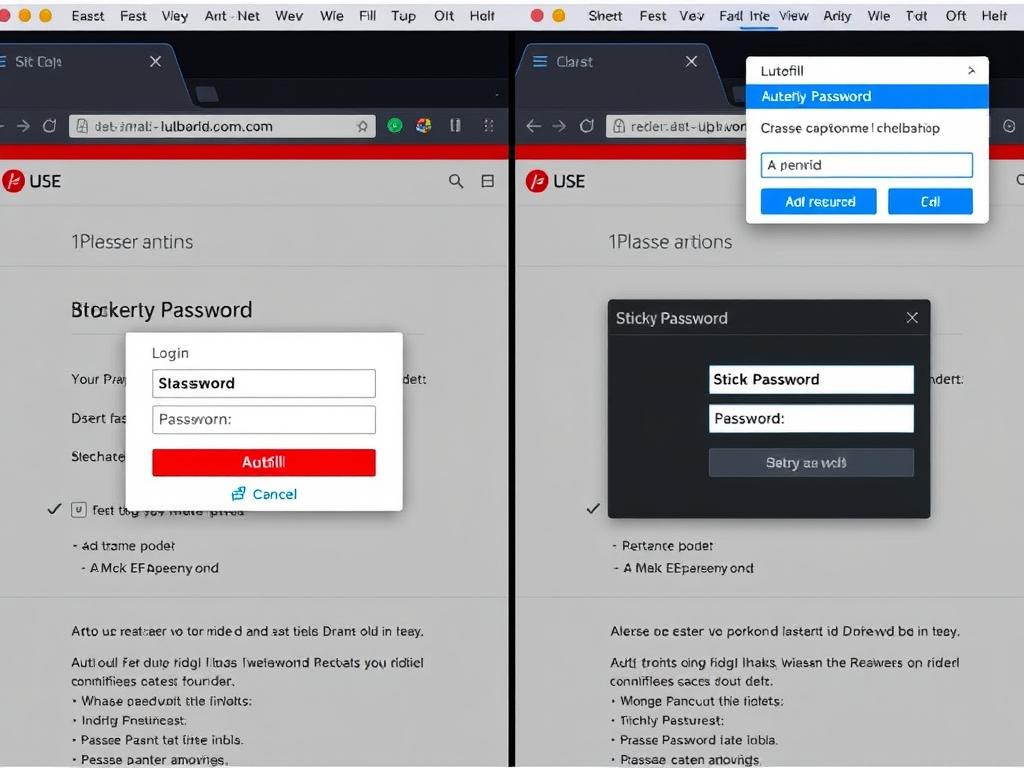
1Password vs True Key autofill functionality demonstration on login forms

1Password Autofill

  • Works consistently across websites and apps
  • Browser extensions for all major browsers
  • Quick Access feature for desktop applications
  • Form filling for addresses and payment information
  • Supports iOS and Android autofill frameworks

True Key Autofill

  • Somewhat inconsistent performance
  • Web-based interface rather than true browser extension
  • “Instant Log In” feature for automatic login
  • Form filling for personal information
  • Mobile autofill requires additional setu

During testing, 1Password’s autofill functionality proved more reliable and consistent across different websites and applications. True Key’s autofill occasionally fails to recognize login forms or requires manual intervention.

“The reliability of autofill functionality significantly impacts your daily experience with a password manager. 1Password’s implementation is more polished and dependable compared to True Key’s occasional hiccups.”

Pricing & Plans Comparison

Cost is an important factor when choosing a password manager. Let’s compare what you get at different price points.
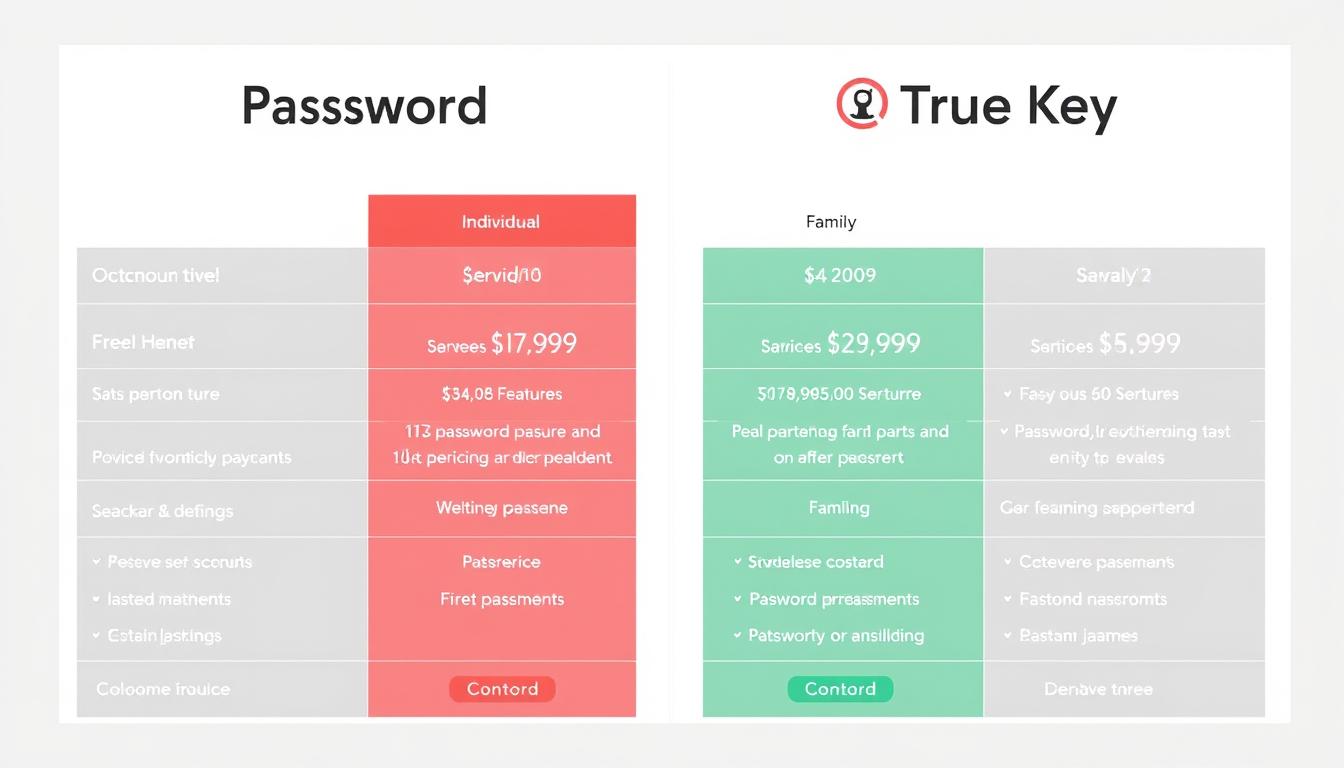
1Password vs True Key pricing plans comparison chart

1Password Plans

  • Free Trial: 14
  • Individual: $36/year
  • Family: $60/year (up to 5 users)
  • Teams: $19.95/user/year
  • Business: $7.99/user/month
  • Unlimited passwords on all plans
  • 1GB secure document storage
  • 24/7 email support

True Key Plans

  • Free: Limited to 15 passwords
  • Premium: $19.99/year
  • Family Plan: Not available
  • Business Plan: Not available
  • Unlimited passwords on Premium
  • No document storage
  • 24/7 support via McAfee

Value Comparison

While True Key is less expensive than 1Password, the price difference reflects significant feature disparities. 1Password offers more comprehensive features, better cross-platform support, and family sharing options that True Key lacks entirely.

Budget Consideration: If you only need basic password management for a single user and have fewer than 15 passwords to store, True Key’s free plan might be sufficient. For most users, however, 1Password’s additional features justify its higher price.

Ready to try 1Password?

Start your 14-day free trial with no credit card required.

User Experience & Interface Design

A password manager should be intuitive and easy to use, or you’ll find yourself avoiding it despite its security benefits.
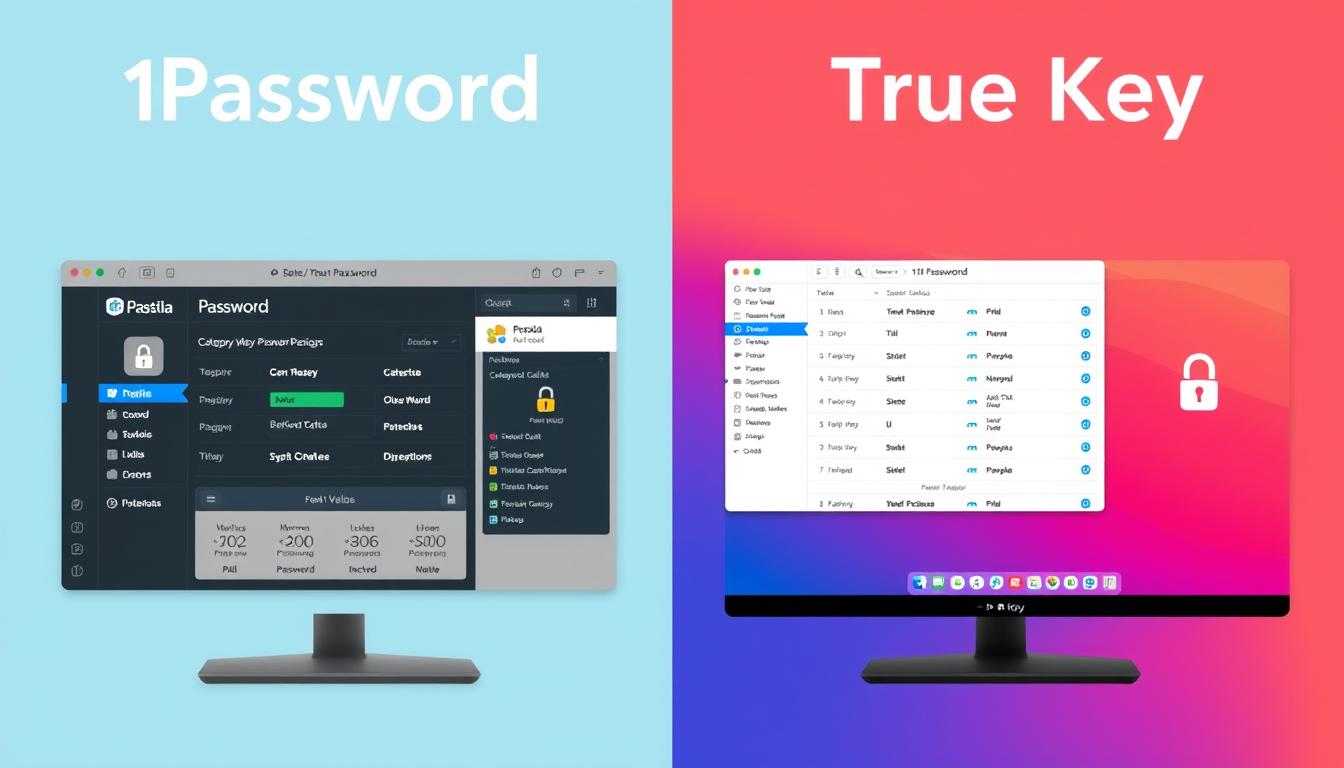
1Password vs True Key user interface comparison showing main dashboards

Setup Process

Both password managers require creating an account and setting a master password. 1Password adds an extra step with its Secret Key, which provides additional security but slightly complicates the initial setup. True Key’s setup is more straightforward but offers less security.

1Password Interface

  • Clean, modern design with intuitive navigation
  • Dedicated desktop applications for all platforms
  • Consistent experience across devices
  • Categorized items (logins, credit cards, secure notes)
  • Customizable organization with tags and favorites

True Key Interface

  • Web-based interface with limited desktop functionality
  • Simple tile or list view for saved items
  • Three main categories: Logins, Safe Notes, and Wallet
  • Less customization options
  • Requires more tab switching for basic operations

Browser Extension Functionality

1Password’s browser extensions are full-featured and can operate independently of the desktop app. True Key’s browser extension primarily serves as a link to its web dashboard, requiring more clicks and tab switching for common tasks.

“1Password offers a more polished, consistent experience across platforms with native applications. True Key’s web-based approach feels less integrated and sometimes requires more steps to accomplish the same tasks.”

Unique Features & Selling Points

Beyond the core password management functions, both services offer distinctive features that might influence your decision.
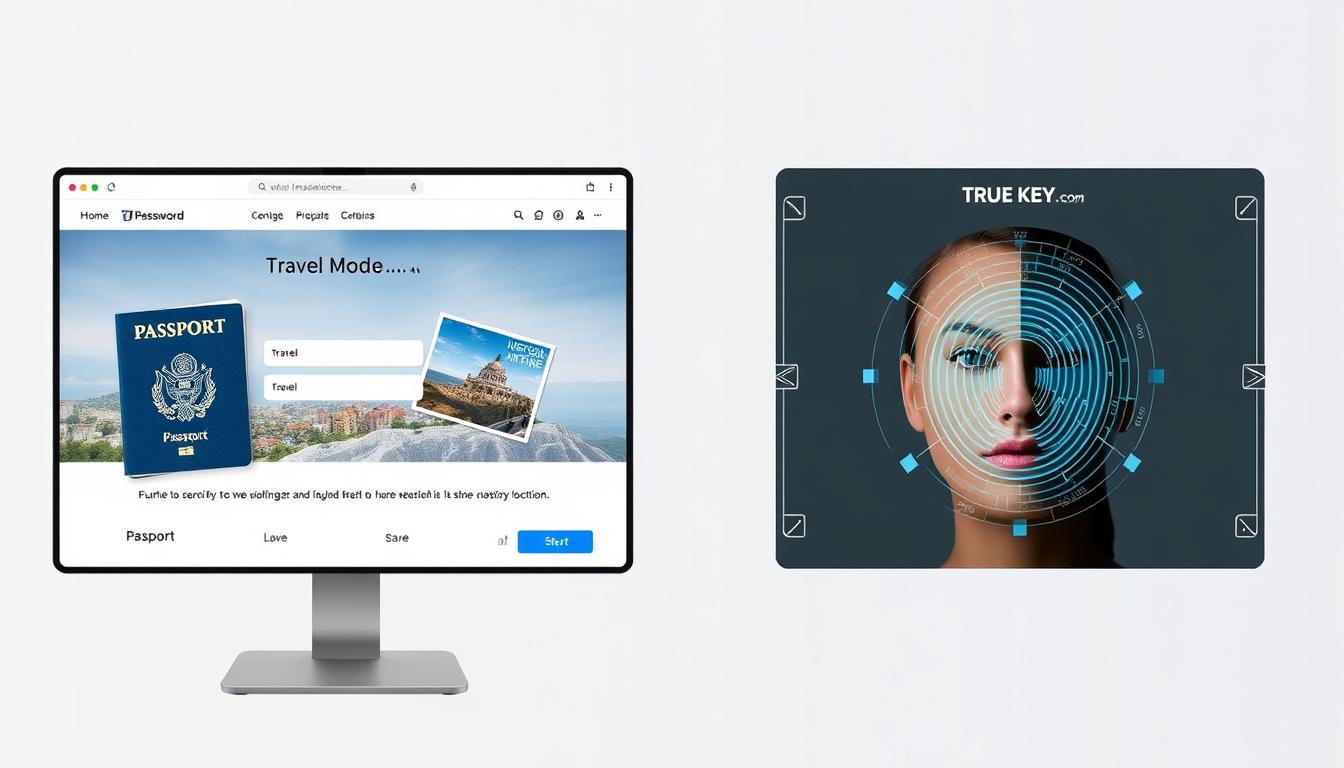
1Password's Travel Mode and True Key's facial recognition authentication features

1Password’s Standout Features

Travel Mode

This unique security feature allows you to temporarily remove sensitive vaults from your devices when traveling across borders or in high-risk situations. Once you reach your destination, you can restore access to these vaults.

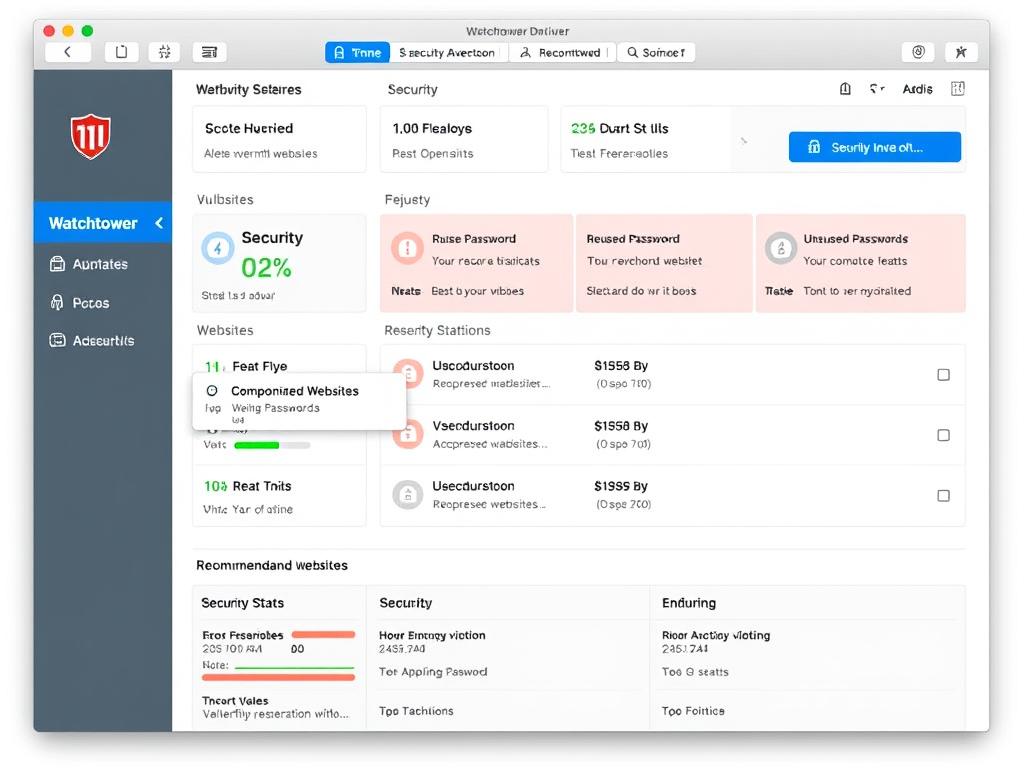
Watchtower

1Password’s security dashboard monitors your passwords for:

  • Compromised passwords in known data breaches
  • Weak or reused passwords across sites
  • Unsecured websites (non-HTTPS)
  • Expiring passwords that need updating
  • Accounts eligible for two-factor authentication

Privacy Cards

Integration with Privacy.com allows you to create virtual credit cards for online shopping, adding an extra layer of security for financial transactions.

True Key’s Standout Features

Advanced Biometric Authentication

True Key places significant emphasis on biometric login options:

  • Facial recognition using your device’s camera
  • Option to eliminate master password entirely
  • Multi-factor authentication built into the core experience

McAfee Integration

As part of the McAfee security ecosystem, True Key integrates with other McAfee products and services, potentially offering a more unified security approach if you already use their antivirus or VPN services.

Prefer biometric authentication?

True Key offers advanced facial recognition and fingerprint login options.Try True Key Free

Data Storage & Privacy

Understanding how and where your password data is stored is crucial for evaluating the privacy implications of each service.
1Password vs True Key data storage and privacy visualization

Cloud vs. Local Storage

1Password offers both cloud and local storage options:

  • Primary method is cloud-based storage with end-to-end encryption
  • Option to store and sync your vault locally (though less emphasized now)
  • Data encrypted locally before being sent to 1Password servers

True Key uses a cloud-based approach exclusively:

  • All data synced through McAfee’s cloud servers
  • No option for local-only storage
  • Zero-knowledge encryption ensures data is encrypted before leaving your device

Privacy Policies

Both companies have clear privacy policies stating they cannot access your encrypted vault data. However, they do collect some metadata:

1Password Data Collection

  • Account information (email, name)
  • Billing information
  • Device information for troubleshooting
  • Usage analytics (can be disabled)

True Key Data Collection

  • Account information (email, name)
  • Billing information
  • Device information
  • Usage data as part of McAfee’s broader data collection

Third-Party Audits

1Password undergoes regular third-party security audits and publishes the results, demonstrating transparency about their security practices. True Key doesn’t publicly share information about independent security audits, making it harder to verify their security claims.

Privacy Consideration: If privacy is a top concern, note that True Key is owned by McAfee, a larger security company with broader data collection practices across its product suite. 1Password is focused solely on password management with a stronger emphasis on privacy.

Customer Support Options

When you’re locked out of your accounts or experiencing issues with your password manager, responsive support becomes crucial.
1Password vs True Key customer support options comparison

1Password Support

  • Email support (24/7)
  • Twitter support
  • Extensive knowledge base
  • Active community forums
  • Detailed setup guides with screenshots
  • No phone support

True Key Support

  • 24/7 live chat support (through McAfee)
  • Phone support hotline
  • Community forums
  • Knowledge base (part of McAfee support)
  • No email/ticket support

True Key benefits from McAfee’s larger support infrastructure, offering live chat and phone support that 1Password lacks. However, 1Password’s documentation is more comprehensive and specifically focused on password management issues.

“If you prefer direct human contact when troubleshooting, True Key’s live chat and phone support might be appealing. For self-service support with detailed documentation, 1Password offers superior resources.”

Import & Export Capabilities

The ability to easily move your passwords between services is important, especially when switching from another password manager.
1Password vs True Key import and export functionality comparison

Importing Options

1Password Import Sources

  • LastPass
  • Dashlane
  • RoboForm
  • Keeper
  • Chrome, Firefox, Safari password managers
  • Generic CSV files
  • 1Password vaults (.1pif files)

True Key Import Sources

  • LastPass
  • Dashlane
  • Chrome, Firefox, Internet Explorer password managers
  • Generic CSV files

Exporting Options

1Password allows exporting your data in multiple formats, including CSV and its proprietary 1PIF format. True Key only supports CSV exports, which contain less metadata and organizational information.

Migration Tip: If you’re currently using another password manager, check whether 1Password or True Key offers direct import from your current service. Direct imports typically preserve more information than generic CSV imports.

Pros & Cons Summary

Let’s summarize the strengths and weaknesses of both password managers to help you make your final decision.

1Password vs True Key pros and cons comparison chart

1Password Pros

  • Comprehensive feature set with Watchtower security monitoring
  • Excellent family sharing capabilities
  • Travel Mode for enhanced security while traveling
  • Native apps across all major platforms
  • Regular third-party security audits
  • Intuitive, consistent user interface
  • Reliable autofill functionality

1Password Cons

  • No free version (trial only)
  • Higher price than True Key
  • Secret Key adds security but complicates setup
  • No live chat or phone support

True Key Pros

  • Advanced biometric authentication options
  • Free tier available (limited to 15 passwords)
  • Lower premium price
  • 24/7 live chat and phone support
  • Simple, straightforward interface
  • Integration with other McAfee products

True Key Cons

  • No password sharing capabilities
  • No family or team plans
  • Limited desktop functionality (web-based)
  • Less reliable autofill
  • No security monitoring features
  • No Linux or Chrome OS support

Final Recommendation: Which Password Manager Should You Choose?
1Password vs True Key final recommendation visualization

Choose 1Password if:

  • You need to share passwords with family members
  • You want comprehensive security monitoring features
  • You travel frequently and need Travel Mode
  • You use Linux or Chrome OS
  • You prefer native desktop applications
  • You need to store secure documents
  • You value third-party security audits and transparency

Ready to try 1Password?

Get started with a 14-day free trial. No credit card required.Try 1Password Free

Choose True Key if:

  • You want advanced biometric authentication options
  • You need a free option for managing a small number of passwords
  • You prefer live chat and phone support
  • You already use other McAfee security products
  • You want a simpler, more straightforward interface
  • You’re looking for a lower-cost premium option

Want to try True Key?

Start with the free version for up to 15 passwords.Try True Key Free

Conclusion

Both 1Password and True Key offer secure password management with strong encryption, but they target different user needs. 1Password provides a more comprehensive solution with family sharing, security monitoring, and cross-platform support, making it ideal for users who want a complete password management system. True Key offers a simpler approach with innovative biometric authentication but lacks many advanced features.

For most users, 1Password’s additional features justify its higher price, especially if you need to share passwords with family members or want robust security monitoring. However, if you only need basic password management with strong biometric authentication, True Key’s free tier or lower-priced premium plan might be sufficient.

Whichever you choose, using a password manager is significantly more secure than reusing passwords across multiple sites. Both services will help you create and manage strong, unique passwords for all your accounts, dramatically improving your online security.

“The best password manager is the one you’ll actually use consistently. Consider your specific needs, budget, and which features matter most to you when making your decision.”

Can I use 1Password or True Key for free?

True Key offers a free version that allows you to store up to 15 passwords. 1Password doesn’t have a permanent free version but offers a 14-day free trial with all features unlocked.

Which password manager is more secure?

Both use strong AES-256 encryption and zero-knowledge architecture. 1Password adds an extra layer of security with its Secret Key system and undergoes regular third-party security audits, giving it a slight edge in security practices.

Can I share passwords with my family?

1Password offers robust password sharing through its family plan ($60/year for up to 5 users). True Key doesn’t offer any password sharing functionality.
1Password vs Sticky Password

1Password vs Sticky Password: Which Password Manager Wins in 2024?

Managing your online security has never been more critical, and choosing the right password manager can make all the difference. In this comprehensive comparison of 1Password vs Sticky Password, we’ll examine their core features, security measures, pricing, and user experience to help you determine which solution best fits your needs in 2024.

Try Both Password Managers Risk-Free

Can’t decide yet? Both services offer free trials so you can test them before committing.

Core Features Comparison: What Each Password Manager Offers

Both 1Password and Sticky Password provide essential password management capabilities, but they differ in several key areas. Let’s examine how they stack up in terms of password storage, autofill functionality, sharing options, and vault organization.

1Password vs Sticky Password core features comparison showing password vaults
Password Storage
Autofill
Password Sharing
Vault Organization
Form Filling
Password Generator
Unlimited passwords with categorized vaults
Seamless across all platforms with one-time password support
Easy sharing with family/team members through shared vaults
Multiple vaults with tags and favorites
Comprehensive with multiple identities and payment methods
Customizable with memorable password option
Unlimited passwords with basic categories
Works well but occasionally has issues with complex forms
Limited to premium users with basic access controls
Groups and subgroups with basic categorization
Supports identities and payment info with manual field selection
Basic generator with standard options

Password Storage and Organization

1Password organizes your credentials into separate vaults, making it easy to separate work from personal life. You can create multiple vaults for different purposes and share specific vaults with family members or colleagues. Sticky Password uses a more traditional folder-based approach with groups and subgroups, which works well but lacks the flexibility of 1Password’s vault system.

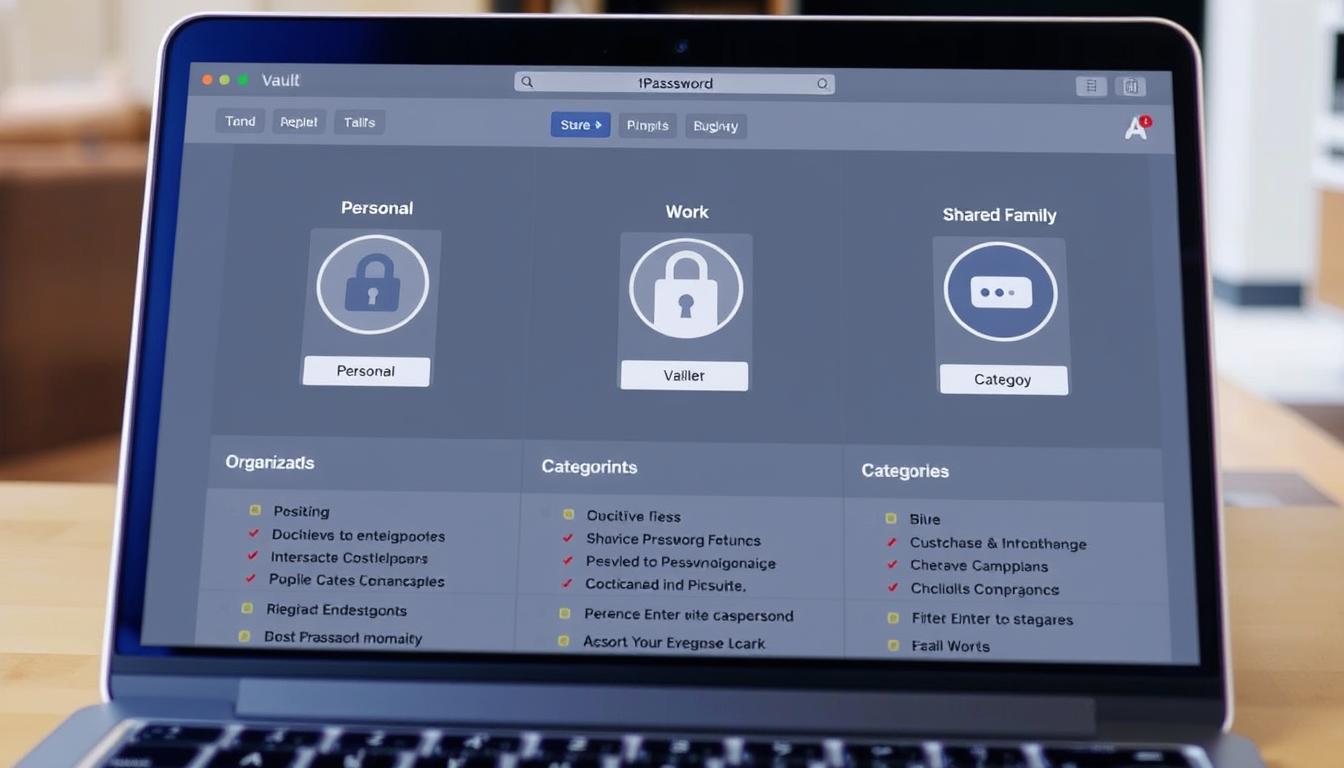
1Password vault organization showing multiple vaults for work and personal use

Autofill Functionality

Both password managers offer browser extensions that handle autofill duties. 1Password’s autofill is more reliable across different websites and includes a handy feature that automatically copies one-time passwords to your clipboard when logging into two-factor enabled accounts. Sticky Password’s autofill works well most of the time but occasionally struggles with complex forms or unusual login pages.

1Password vs Sticky Password autofill comparison on login forms

Password Sharing

1Password excels at sharing with its vault-based approach, allowing you to share entire collections of passwords with family members or team members. Sticky Password offers sharing capabilities for premium users, but the process is less intuitive and more limited in scope.

Need to Share Passwords Securely?

1Password offers superior sharing capabilities for families and teams.

Security Analysis: How Safe Is Your Data?

When it comes to password managers, security is paramount. Both 1Password and Sticky Password implement strong encryption and security measures, but there are some differences in their approaches.

1Password vs Sticky Password security features visualization
Encryption
Two-Factor Authentication
Master Password
Breach Alerts
Zero-Knowledge Architecture
Biometric Authentication
AES-256 bit encryption
Yes, with multiple options
Master password plus secret key
Yes (Watchtower feature)
Yes
Yes (fingerprint, Face ID)
AES-256 bit encryption
Yes, via Google Authenticator
Master password only
Basic password strength monitoring
Yes
Yes (fingerprint)

Encryption and Authentication

Both password managers use industry-standard AES-256 bit encryption to protect your data. However, 1Password adds an extra layer of security with its unique “Secret Key” approach. When you create a 1Password account, you receive a secret key that’s combined with your master password to encrypt your data. This means that even if someone obtains your master password, they still can’t access your vault without the secret key.

Sticky Password relies solely on your master password for encryption but offers flexible sync options, including the ability to sync only over local Wi-Fi networks for added security.

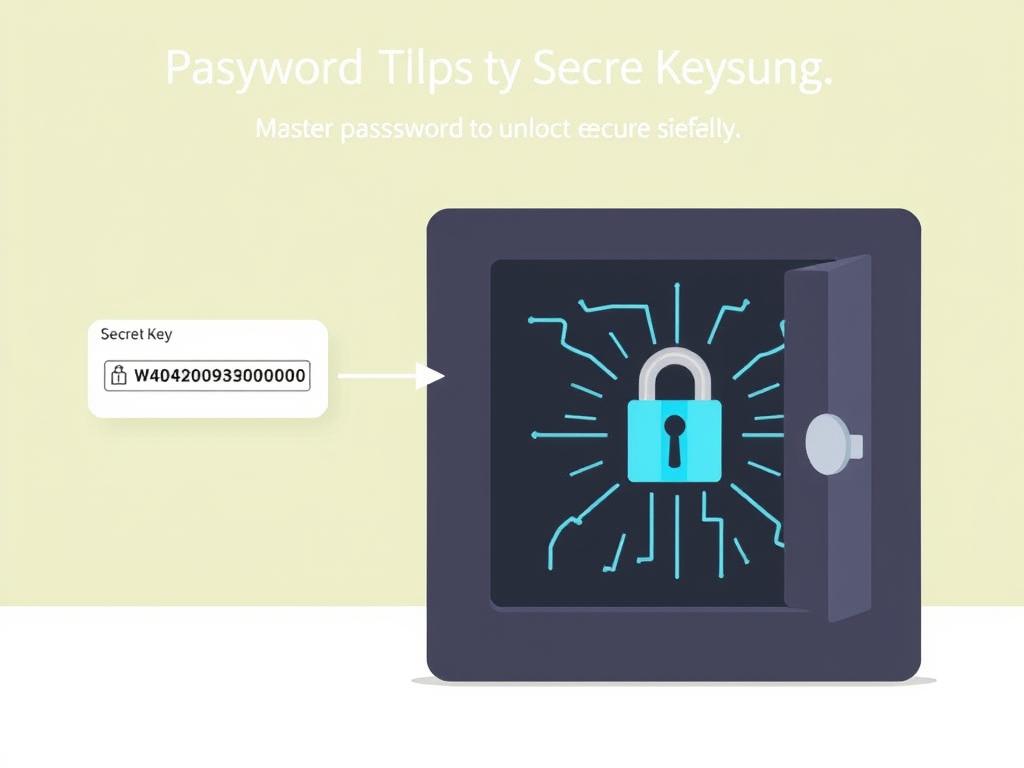
1Password Secret Key security feature illustration

Two-Factor Authentication and Breach Monitoring

Both services support two-factor authentication to protect your account. 1Password offers more options, while Sticky Password is limited to Google Authenticator. 1Password’s Watchtower feature actively monitors for compromised websites and weak passwords, alerting you when action is needed. Sticky Password’s Security Dashboard provides basic password strength monitoring but lacks the comprehensive breach monitoring of 1Password.

Enhanced Security with 1Password

Get advanced security features including Watchtower breach monitoring.

Pricing Breakdown: Value for Money

Cost is often a deciding factor when choosing a password manager. Let’s compare the pricing structures of 1Password and Sticky Password to determine which offers better value for money.

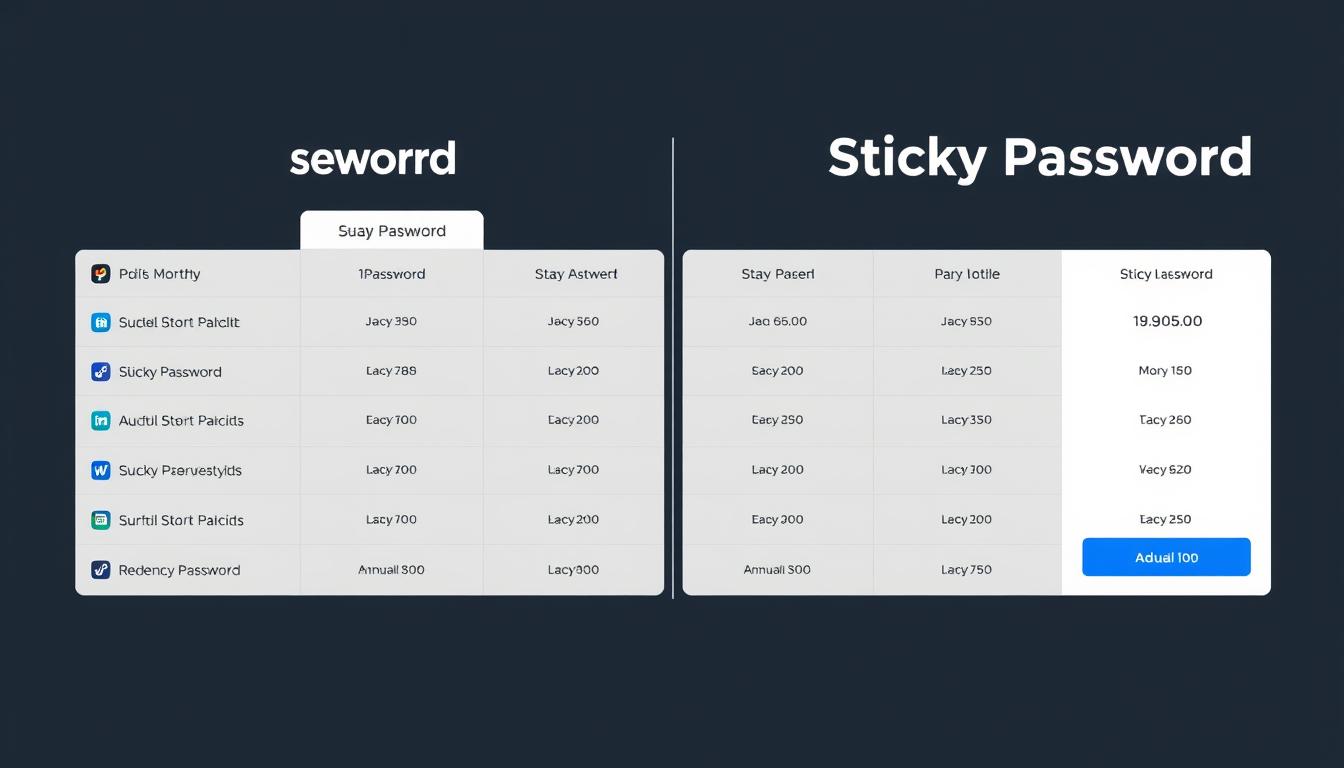
1Password vs Sticky Password pricing comparison chart
Free Plan
Individual
Family
Teams/Business
Lifetime Option
Free Trial
No free plan (30-day trial only)
$2.99/month (billed annually)
$4.99/month for 5 users (billed annually)
$19.95/month for 10 users (billed annually)
None
30-day free trial
Basic free plan with limited features
$29.99/year ($2.50/month)
No specific family plan
$5.00/user/month (billed annually)
$149.99 one-time payment
30-day free trial of Premium

Free Options and Trials

Sticky Password offers a basic free version with limited functionality, while 1Password only provides a 30-day free trial. If you’re looking for a no-cost solution, Sticky Password has the advantage, though its free version lacks syncing across devices.

Premium Plans and Value

For individual users, both services are comparably priced at around $2.50-$3.00 per month when billed annually. 1Password offers better value for families with its dedicated family plan that covers 5 users for $4.99/month. Sticky Password’s standout offering is its lifetime license for $149.99, which could be economical for long-term users who want to avoid subscription fees.

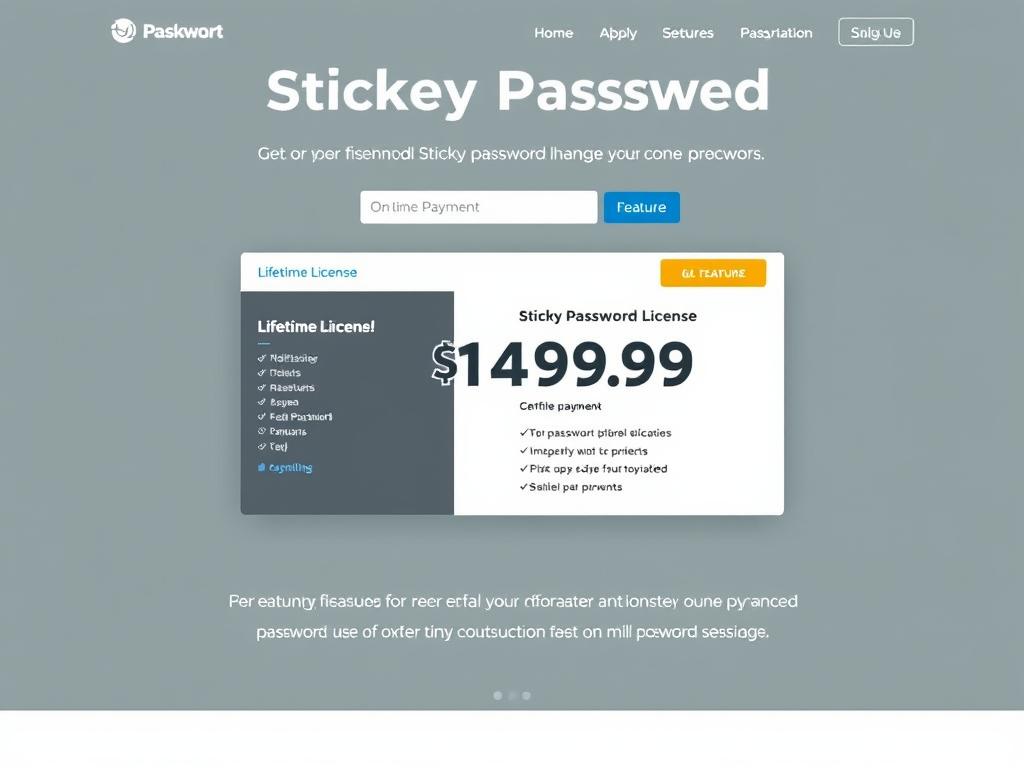
Sticky Password lifetime license offer highlighted

Try 1Password

Get started with a 30-day free trial

no credit card required.

Try Sticky Password

Test the premium features with a

30-day free trial

User Experience: Interface and Ease of Use

The user interface and overall experience can significantly impact your satisfaction with a password manager. Let’s compare how 1Password and Sticky Password perform in this crucial area.

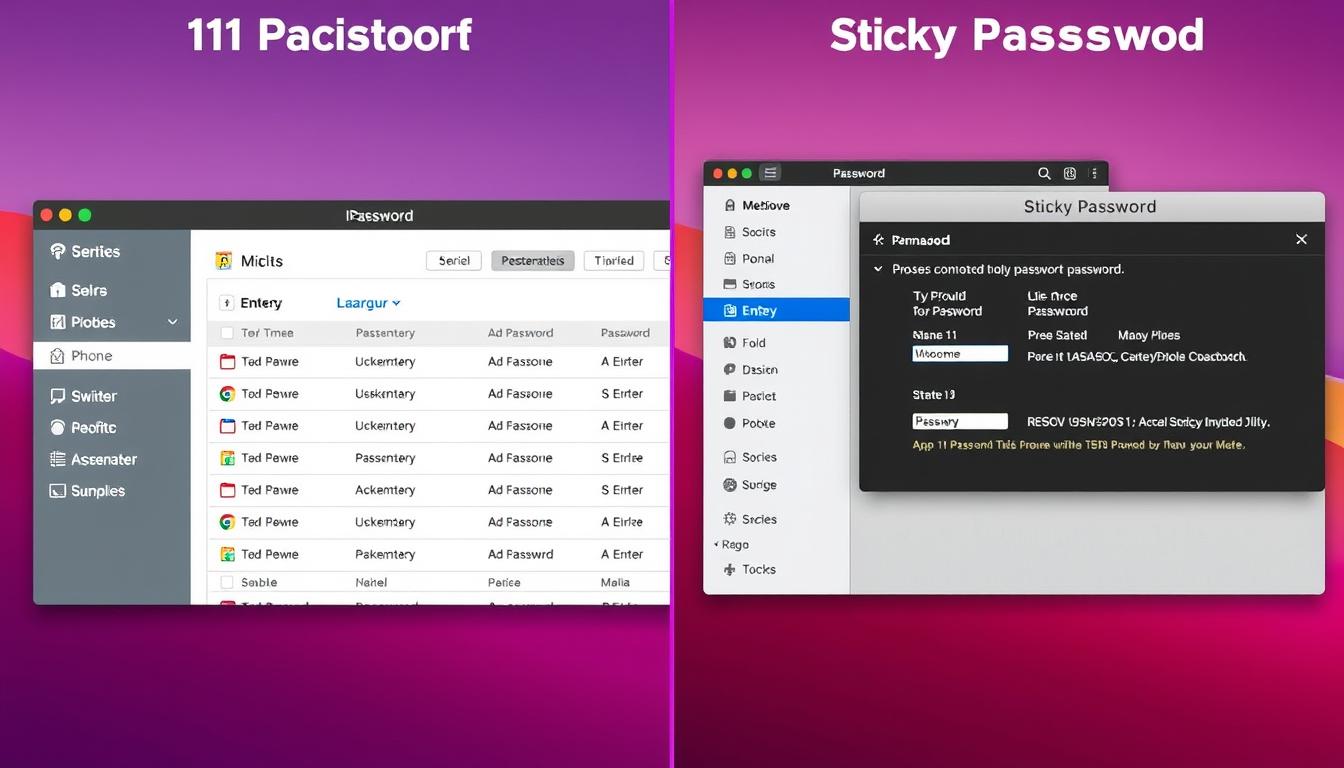
1Password vs Sticky Password user interface comparison

Desktop Experience

1Password offers a modern, intuitive interface that’s easy to navigate. The design is clean and minimalist, with clear organization and visual cues. Sticky Password’s desktop app has a more traditional, dated appearance that feels less polished. While functional, it lacks the refinement and user-friendly design of 1Password.

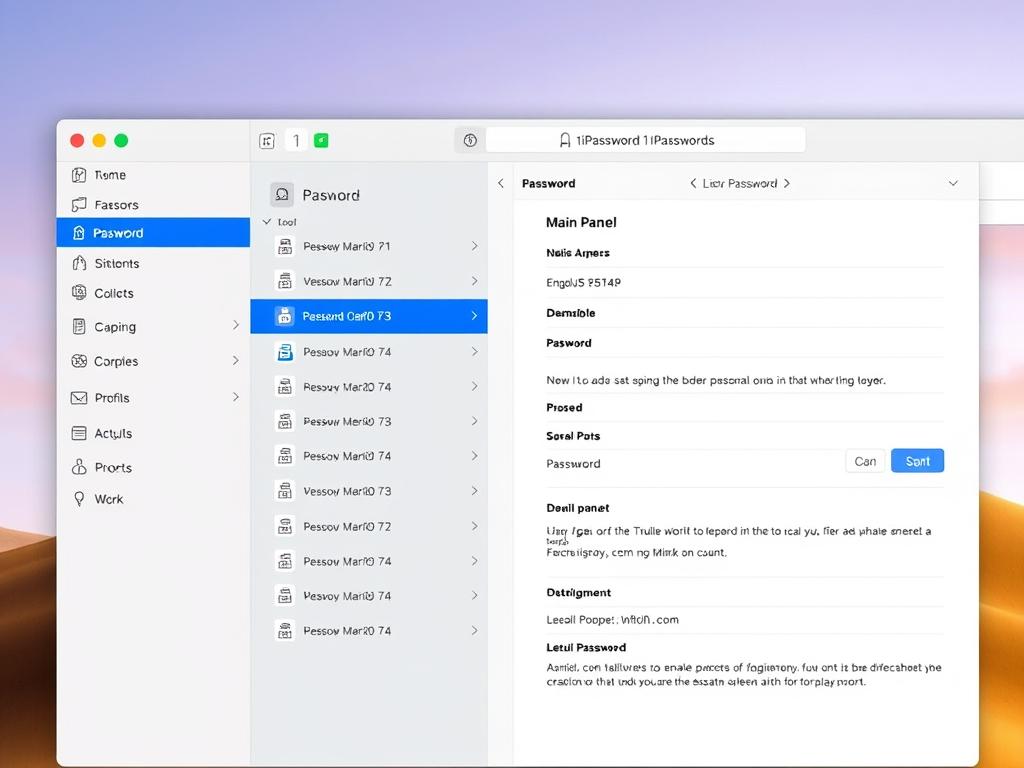
1Password desktop application showing clean modern interface

Browser Extensions

Both password managers offer browser extensions for major browsers. 1Password’s extension is sleek and integrates seamlessly with websites, providing reliable autofill and password generation. Sticky Password’s extension is functional but sometimes requires more clicks to accomplish the same tasks.

1Password vs Sticky Password browser extensions comparison

Mobile Apps

On mobile devices, 1Password maintains its polished design with intuitive navigation and smooth performance. Sticky Password’s mobile app is functional but lacks the refinement of its competitor. Both support biometric authentication for quick access on compatible devices.

1Password mobile app interface on smartphone

1Password Pros

  • Modern, intuitive interface
  • Consistent experience across platforms
  • Excellent browser integration
  • Thoughtful design touches
  • Streamlined workflow

Sticky Password Cons

  • Dated interface design
  • Less intuitive navigation
  • Occasional autofill issues
  • Clunkier mobile experience
  • Steeper learning curve

Experience the Difference

Try both interfaces to see which one works better for you.

Cross-Platform Compatibility

A good password manager should work seamlessly across all your devices. Let’s examine how 1Password and Sticky Password perform across different operating systems and platforms.

1Password vs Sticky Password cross-platform compatibility across devices
Windows
macOS
Linux
iOS
Android
Browser Extensions
Full support
Full support (native app)
Command line and browser extension
Full support with iOS integration
Full support with autofill
Chrome, Firefox, Safari, Edge, Brave
Full support
Full support
Browser extension only
Full support
Full support with autofill
Chrome, Firefox, Safari, Edge, Opera, Comodo Dragon, Yandex

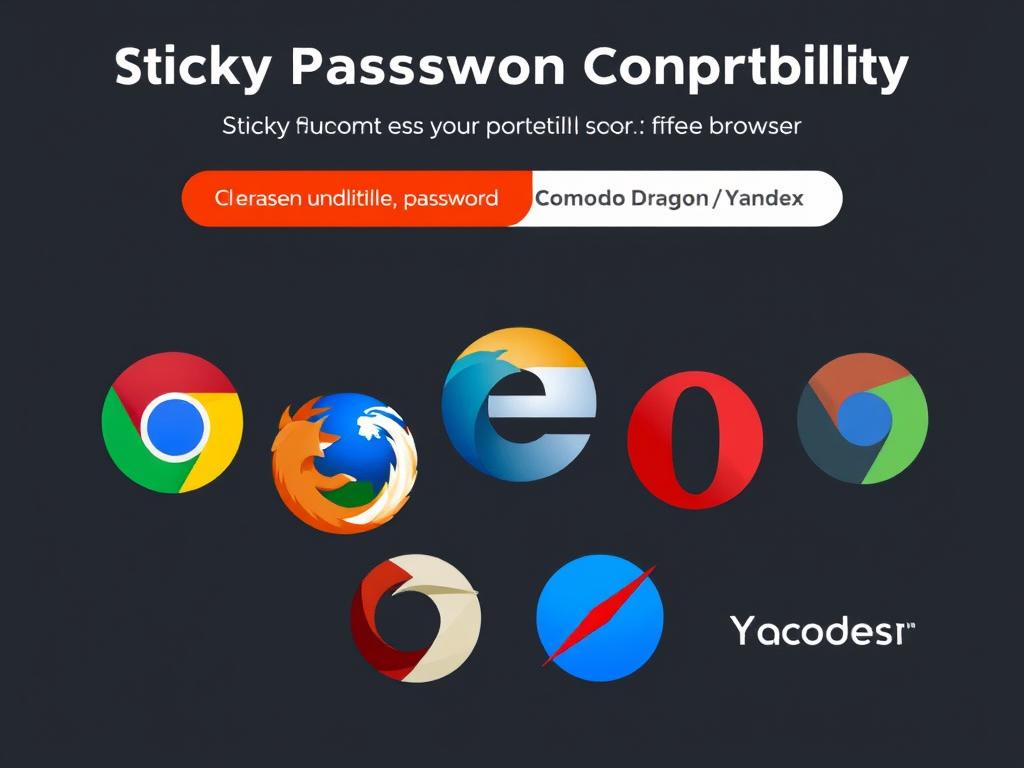
Both password managers offer good cross-platform support, covering all major operating systems and browsers. 1Password has better native integration with macOS and iOS, while Sticky Password supports a wider range of browsers, including less common ones like Comodo Dragon and Yandex.

Sticky Password's wide browser support showing multiple browser logos

For Linux users, 1Password offers a command-line tool and browser extensions, while Sticky Password only supports browser extensions. If you use multiple devices across different platforms, both services will sync your passwords seamlessly, though Sticky Password’s free version doesn’t include syncing.

Customer Support Comparison

When you encounter issues with your password manager, quality support can make all the difference. Let’s compare the customer support options for 1Password and Sticky Password.

1Password vs Sticky Password customer support options comparison
Email Support
Live Chat
Phone Support
Knowledge Base
Community Forum
Video Tutorials
Yes, responsive
Yes
No
Comprehensive, well-organized
Active community forum
Yes, high quality
Yes, within 24 hours for premium users
No
No
Good, with tutorials and FAQs
Forum available but less active
Limited

1Password offers more comprehensive support options, including live chat and an active community forum. Their knowledge base is extensive and well-organized, making it easy to find answers to common questions. Sticky Password provides email support with a 24-hour response guarantee for premium users, along with a decent knowledge base, but lacks live chat support.

1Password's knowledge base and support resources

For self-help resources, both services provide documentation and guides, but 1Password’s materials are more comprehensive and up-to-date. If immediate support is important to you, 1Password has the edge with its live chat option.

Final Recommendation: Which Password Manager Is Right for You?

After thoroughly comparing 1Password vs Sticky Password across all key aspects, we can now provide targeted recommendations based on different user needs and priorities.

1Password vs Sticky Password final verdict comparison

1Password Pros

  • Modern, intuitive interface
  • Excellent security with Secret Key approach
  • Comprehensive Watchtower security monitoring
  • Superior sharing capabilities
  • Better family plan value
  • More robust customer support

Sticky Password Pros

  • Free version available
  • Lifetime license option
  • Flexible sync options (cloud or local WiFi)
  • Portable version for USB drives
  • Wider browser support
  • Slightly lower annual cost

Choose 1Password if:

  • You value a modern, intuitive user interface
  • You need to share passwords with family or team members
  • You want comprehensive security monitoring
  • You use multiple devices across different platforms
  • You prefer responsive customer support with live chat
1Password family sharing feature highlighted

Choose Sticky Password if:

  • You’re looking for a free password manager
  • You prefer a one-time payment over a subscription
  • You want local-only sync options for enhanced privacy
  • You need support for less common browsers
  • You want a portable version for USB drives
Sticky Password portable version on USB drive

Make Your Choice Today

Both password managers offer free trials so you can test them before deciding.

Conclusion

In the 1Password vs Sticky Password comparison, both password managers offer strong security features and reliable password management capabilities. 1Password stands out with its modern interface, comprehensive security features, and excellent sharing capabilities, making it ideal for families and teams. Sticky Password offers more flexible pricing options, including a free version and lifetime license, along with unique features like local WiFi sync and portable USB versions.

For most users, 1Password’s polished experience and comprehensive feature set make it the better overall choice, despite the lack of a free version. However, budget-conscious users and those who prefer a one-time payment will find Sticky Password to be a capable and economical alternative.

Whichever password manager you choose, you’ll be taking an important step toward better online security by moving away from reused or weak passwords. Both services will help you create, store, and manage strong, unique passwords for all your accounts.

Ready to Secure Your Passwords?

Take the first step toward better password security today.

. . . . . . . . . . . . . . . . . . . . . . . . . . . . . . . . . . . . . . . . . . . . . . . . . . . . . . . . . . . . . . . . . . . . . . . . . . . . . . . . . . . . . . . . . . . . . . . . . . . . . . . . . . . .

1Password vs Password Boss

1Password vs Password Boss: Which Password Manager Wins in 2025?

Choosing the right password manager can significantly improve your online security and simplify your digital life. In this comprehensive comparison, we’ll examine how 1Password and Password Boss stack up against each other in 2025, analyzing their security features, user experience, pricing, and platform compatibility. Whether you’re an individual, family, or business user, this guide will help you determine which password manager better suits your specific needs.

1Password vs Password Boss: Quick Comparison

1Password vs Password Boss comparison showing the interfaces of both password managers
Starting Price
Free Trial
Encryption
Two-Factor Authentication
Password Sharing
Family Plan
Business Plan
Platform Support
$2.99/month
14 days
256-bit AES
Yes
Unlimited
Yes ($4.99/month for 5 users)
Yes (Teams, Business)
Windows, Mac, iOS, Android, Linux, Chrome OS
$2.50/month
30 days
256-bit AES
Yes
Limited (Free), Unlimited (Premium)
No dedicated plan
Yes
Windows, Mac, iOS, Android

Ready to secure your passwords?

Both password managers offer free trials so you can test their features before committing.

Security Features Comparison

When it comes to password managers, security is paramount. Both 1Password and Password Boss employ industry-standard encryption and offer robust security features to protect your sensitive information.

1Password vs Password Boss security features comparison showing encryption and authentication methods

1Password Security

  • 256-bit AES encryption
  • PBKDF2 key derivation
  • End-to-end encryption
  • Two-factor authentication
  • Travel Mode (hides sensitive data while traveling)
  • Watchtower (monitors for compromised websites)
  • Secure document storage
  • Biometric authentication

Password Boss Security

  • 256-bit AES encryption
  • Zero-knowledge architecture
  • Two-factor authentication
  • Biometric login
  • Remote data wipe for lost devices
  • Secure browser for sensitive transactions
  • Dark web monitoring
  • Emergency access for trusted contacts

Security Verdict: Both password managers offer excellent security with 256-bit AES encryption and two-factor authentication. 1Password’s Travel Mode is unique for frequent travelers, while Password Boss’s remote wipe feature provides added security for lost devices.

User Experience & Interface

A password manager should be intuitive and easy to use. Let’s compare how 1Password and Password Boss perform in terms of user experience across desktop applications, browser extensions, and mobile apps.

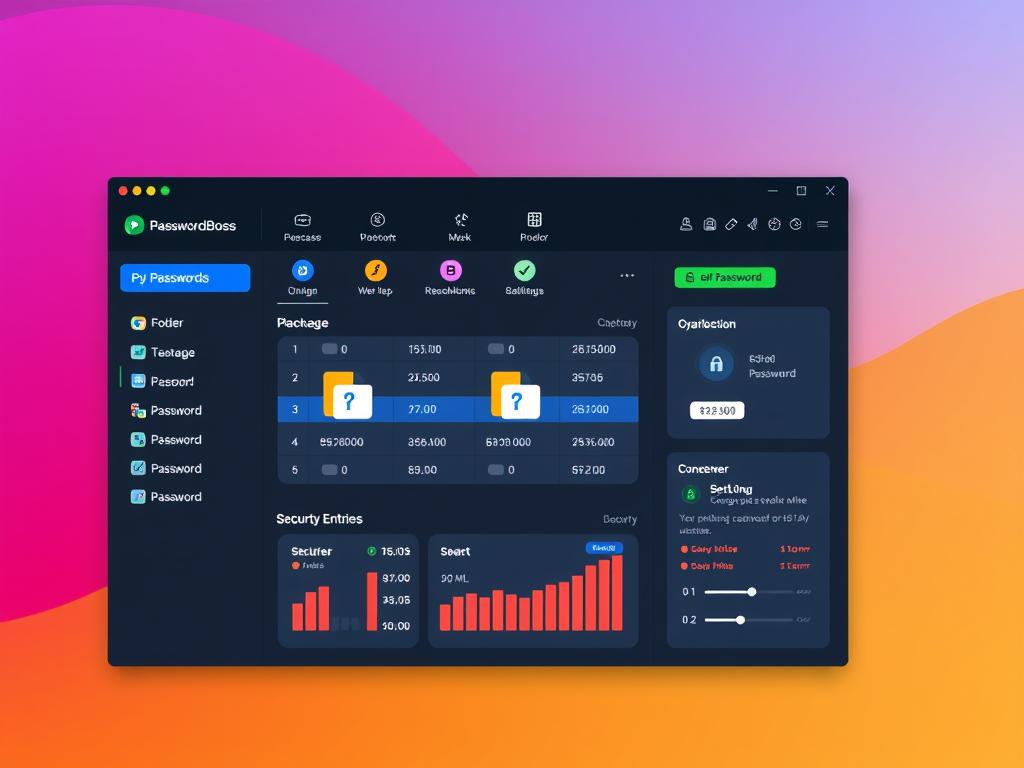
1Password vs Password Boss user interfaces on desktop and mobile devices

Desktop Applications

1Password Desktop Experience

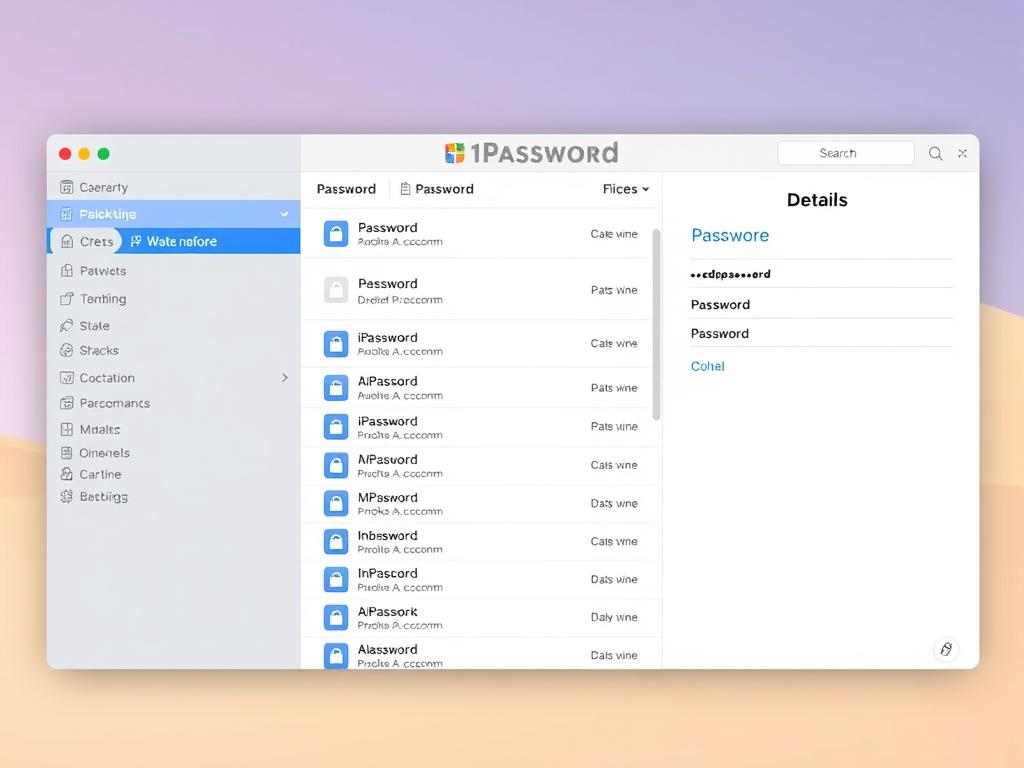
1Password offers a clean, modern interface that’s easy to navigate. The sidebar organization makes finding passwords, secure notes, and other items simple. Categories are clearly defined, and the search function is powerful and responsive.

1Password desktop application interface showing password vault organization

Password Boss Desktop Experience

Password Boss features an intuitive interface with well-designed data-entry templates. The program organizes entries into several categories including Passwords, Digital Wallet, Personal Info, Secure Notes, and Identities, making it easy to manage different types of information.

Password Boss desktop application interface showing password management features

Browser Extensions

1Password Browser Extension

1Password’s browser extension is powerful and seamlessly integrates with the desktop application. It offers quick access to your vault, autofills forms accurately, and suggests strong passwords when creating new accounts. The inline menu that appears in login fields is particularly useful.

Password Boss Browser Extension

Password Boss’s browser extension provides efficient auto-fill and auto-save functionality. The Auto-login feature automatically fills credentials and logs you into websites without requiring you to press the login button, though this can be toggled for individual sites to prevent phishing attacks.
Mobile Apps

1Password Mobile Experience

1Password’s mobile apps for iOS and Android maintain the clean design of the desktop version. The apps support biometric authentication and integrate well with mobile browsers for autofilling passwords. The interface is responsive and easy to navigate on smaller screens.

1Password mobile app interface on smartphone showing password vault

Password Boss Mobile Experience

Password Boss offers feature-rich mobile apps that closely resemble the desktop version. The apps support biometric login and provide a secure browser that automatically opens when visiting sites with saved passwords. The consistent interface makes switching between devices seamless.

Password Boss mobile app interface on smartphone showing security features

User Experience Verdict: Both password managers offer excellent user experiences across platforms. 1Password has a slight edge with its more polished interface and better cross-platform consistency, while Password Boss excels with its intuitive organization and well-designed templates for different types of information.

Pricing & Plans Comparison

Cost is an important factor when choosing a password manager. Let’s compare the pricing structures of 1Password and Password Boss to determine which offers better value for different types of users.

1Password vs Password Boss pricing plans comparison chart

1Password Pricing

1Password Individual

1Password Families

1Password Teams
1Password Business

$2.99/month (billed annually)

$4.99/month (billed annually)

$4.99/month (billed annually)
$7.99/user/month (billed annually)

Unlimited passwords, 1GB document storage, 24/7 email support, Travel Mode, Watchtower
Everything in Individual plan plus 5 family members, password sharing, permission controls
Admin console, unlimited shared vaults, usage logs, guest accounts
Everything in Teams plus advanced protection, custom roles, activity logs, free family accounts

Password Boss Pricing

Password Boss Free

Password Boss Premium
Password Boss Business
$0

$2.50/month (billed annually)

Starting at $3.00/user/month
(billed annually)
Local storage only, single device, unlimited passwords, limited password sharing (5 shares)
Cloud sync, unlimited devices, 2FA, remote data wipe, unlimited password sharing
Admin console, business and personal vaults, secure team sharing, advanced security policies

Pricing Verdict: Password Boss offers a slightly lower entry price for individual users and includes a free (though limited) option. 1Password provides better value for families with its dedicated family plan and offers more comprehensive business solutions with additional features like free family accounts for business users.

Ready to try a password manager?

Both services offer free trials so you can test their features before committing to a subscription.

Platform Support & Compatibility

A good password manager should work seamlessly across all your devices. Let’s examine how 1Password and Password Boss perform across different operating systems and platforms.

1Password vs Password Boss platform compatibility across devices

Windows
macOS
iOS
Android
Linux
Chrome OS
Web Access
Full support
Full support
Full support
Full support
Full support
Via browser extension
Yes
Full support
Full support
Full support
Full support
No native app
Via browser extension
No

Browser Extensions

1Password Browser Support

  • Chrome
  • Firefox
  • Safari
  • Edge
  • Brave

Password Boss Browser Support

  • Chrome
  • Firefox
  • Safari
  • Edge
  • Opera

Platform Support Verdict: 1Password has an edge with its Linux support and web-based access, making it more versatile for users with multiple operating systems. Password Boss covers the most common platforms but lacks Linux support and a web vault option.

Unique Features Comparison

Both password managers offer special features that set them apart from each other and from competitors. Let’s examine these unique strengths to help you determine which might better suit your specific needs.

1Password vs Password Boss unique features comparison

1Password Unique Features

Travel Mode

1Password’s Travel Mode allows you to temporarily remove sensitive vaults from your devices when crossing borders or traveling in high-risk areas. This feature helps protect your data from border searches or device theft while traveling.

Watchtower

The Watchtower feature actively monitors your passwords and alerts you to security vulnerabilities, including compromised websites, reused passwords, and weak passwords. It also checks for unsecured websites and passwords that need to be updated.

Virtual Payment Cards (with Fastmail)

1Password integrates with Fastmail to create unique email aliases for different services, helping to reduce spam and increase security by compartmentalizing your online presence.

1Password Travel Mode and Watchtower features in action

Password Boss Unique Features

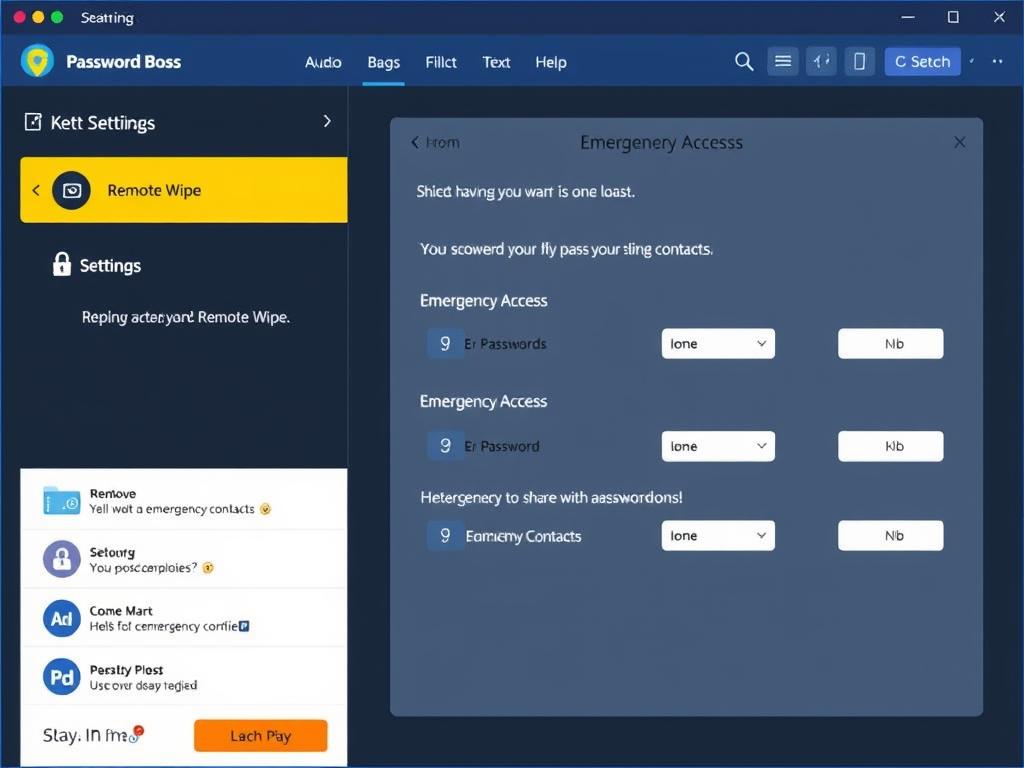
Remote Data Wipe

Password Boss allows you to remotely delete your password database from lost or stolen devices, providing an additional layer of security for your sensitive information.

Secure Browser

The built-in secure browser uses a secure DNS server to improve online security when accessing sensitive websites like banking portals, helping to protect against man-in-the-middle attacks.

Flexible Emergency Access

Password Boss offers a highly customizable emergency access feature that allows you to give trusted contacts access to specific passwords and folders rather than your entire vault, with customizable waiting periods.

Password Boss Remote Wipe and Emergency Access features

Limitations and Drawbacks

While both password managers offer excellent features, they also have limitations worth considering before making your decision.

1Password Limitations

  • No free version available (only a 14-day trial)
  • Slightly higher price point for individual users
  • Limited customization options for categories
  • No built-in VPN like some competitors
  • Customer support can be slow during peak times

Password Boss Limitations

  • Free version limited to one device with local storage only
  • No web-based access option
  • Limited password generator (max 40 characters)
  • No Linux support
  • Inconsistent customer support response times
  • No dedicated family plan
Comparison of limitations between 1Password and Password Boss

Limitations Verdict: 1Password’s main drawback is the lack of a free version, while Password Boss has more platform limitations with no Linux support or web access. For budget-conscious users who need only basic features on one device, Password Boss’s free version might suffice, but those needing cross-platform support should consider 1Password despite its higher cost.

Scenario-Based Recommendations

Depending on your specific needs and circumstances, one password manager may be better suited for you than the other. Here are our recommendations based on different user scenarios:

Different user scenarios for choosing between 1Password and Password Boss

Choose 1Password if…

  • You’re a family: The dedicated family plan offers excellent value for up to 5 members.
  • You travel frequently: Travel Mode provides essential security for international travelers.
  • You use Linux: 1Password offers native Linux support.
  • You need web access: Access your passwords from any computer without installing software.
  • You want the most polished experience: 1Password’s interface is slightly more refined across all platforms.

Choose Password Boss if…

  • You’re on a budget: Password Boss offers a lower entry price for premium features.
  • You need granular emergency access: Password Boss allows sharing specific passwords with emergency contacts.
  • You want remote wipe capability: Remotely delete your database from lost devices.
  • You prefer well-designed templates: Password Boss excels at organizing different types of information.
  • You want a free option: The free version works well for single-device users.

Consider Alternatives if…

  • You need a completely free solution: Consider Bitwarden, which offers free syncing across multiple devices.
  • You want built-in VPN: Dashlane includes a VPN with its premium plans.
  • You need advanced form-filling: RoboForm offers more detailed templates for form-filling.
  • You want open-source security: Bitwarden is fully open-source and audited.
  • You need hardware key support: Consider Keeper, which offers extensive hardware security key options.

Final Verdict: Which Password Manager Wins in 2025?

1Password vs Password Boss final comparison verdict

After thoroughly comparing 1Password vs Password Boss across security features, user experience, pricing, and platform support, 1Password emerges as the overall winner for most users in 2025. Its combination of polished interface, cross-platform support, family plan value, and unique features like Travel Mode make it the more versatile option.

However, Password Boss remains an excellent choice for budget-conscious users and those who particularly value its remote wipe capability and granular emergency access controls. Its well-designed templates and organization system also make it appealing for users who store various types of sensitive information beyond just passwords.

Both password managers provide robust security with 256-bit AES encryption and two-factor authentication, ensuring your sensitive information remains protected regardless of which option you choose.

Ready to secure your digital life?

Both password managers offer free trials so you can experience their features firsthand before making your final decision.

Frequently Asked Questions

Is 1Password or Password Boss more secure?

Both 1Password and Password Boss offer equivalent core security with 256-bit AES encryption and zero-knowledge architecture. They both support two-factor authentication and have strong security practices. 1Password has a slight edge with its Travel Mode for international security, while Password Boss offers remote wipe capabilities for lost devices.

Which password manager is better for families?

1Password is better for families with its dedicated Families plan that supports up to 5 users for $4.99/month. Password Boss doesn’t offer a specific family plan, though you could purchase individual licenses for each family member. 1Password also offers family accounts free to business users.

Does Password Boss have a free version?

Yes, Password Boss offers a free version, but it’s limited to a single device with local storage only. You can store unlimited passwords and share up to 5 passwords with others. For cloud syncing across multiple devices, you’ll need to upgrade to the Premium plan.

Can I access my passwords from any device?

With 1Password, you can access your passwords from any device through their web vault, even without installing the app. Password Boss requires you to install their application on each device you want to use, as they don’t offer a web-based access option.

Which password manager works better for business teams?

Both offer business plans, but 1Password’s business offerings are more comprehensive with features like advanced protection, custom roles, activity logs, and free family accounts for team members. Password Boss Business provides admin console, business and personal vaults, and secure team sharing at a competitive price point.

1Password vs KeePassXC

1Password vs KeePassXC: Complete Comparison Guide (2025)

Choosing the right password manager is crucial for your digital security. In this comprehensive comparison of 1Password vs KeePassXC, we’ll analyze how these popular solutions stack up in terms of security, features, usability, and value. Whether you’re a casual user seeking simplicity or a security enthusiast who values control, this guide will help you make an informed decision about which password manager best suits your specific needs.

1Password vs KeePassXC: Quick Comparison

Feature1PasswordKeePassXC
TypeCommercial, subscription-basedFree, open-source
Encryption256-bit AES256-bit AES/ChaCha20
Data StorageCloud-based with local encryptionLocal storage only (sync via third-party)
Cross-Platform SupportWindows, macOS, Linux, iOS, Android, Chrome OSWindows, macOS, Linux (third-party apps for mobile)
Browser IntegrationNative extensions for all major browsersBrowser integration via plugins
Password SharingYes (family/team accounts)Limited (manual file sharing)
Two-Factor AuthenticationYesYes (via key files/plugins)
Price$2.99/month (individual), $4.99/month (family)Free

Both 1Password and KeePassXC offer robust password management capabilities, but they take fundamentally different approaches. 1Password provides a polished, cloud-based service with subscription pricing, while KeePassXC offers a free, locally-stored solution that prioritizes user control. Let’s explore these differences in detail to help you determine which option best suits your needs.

Security Analysis: How 1Password and KeePassXC Protect Your Data

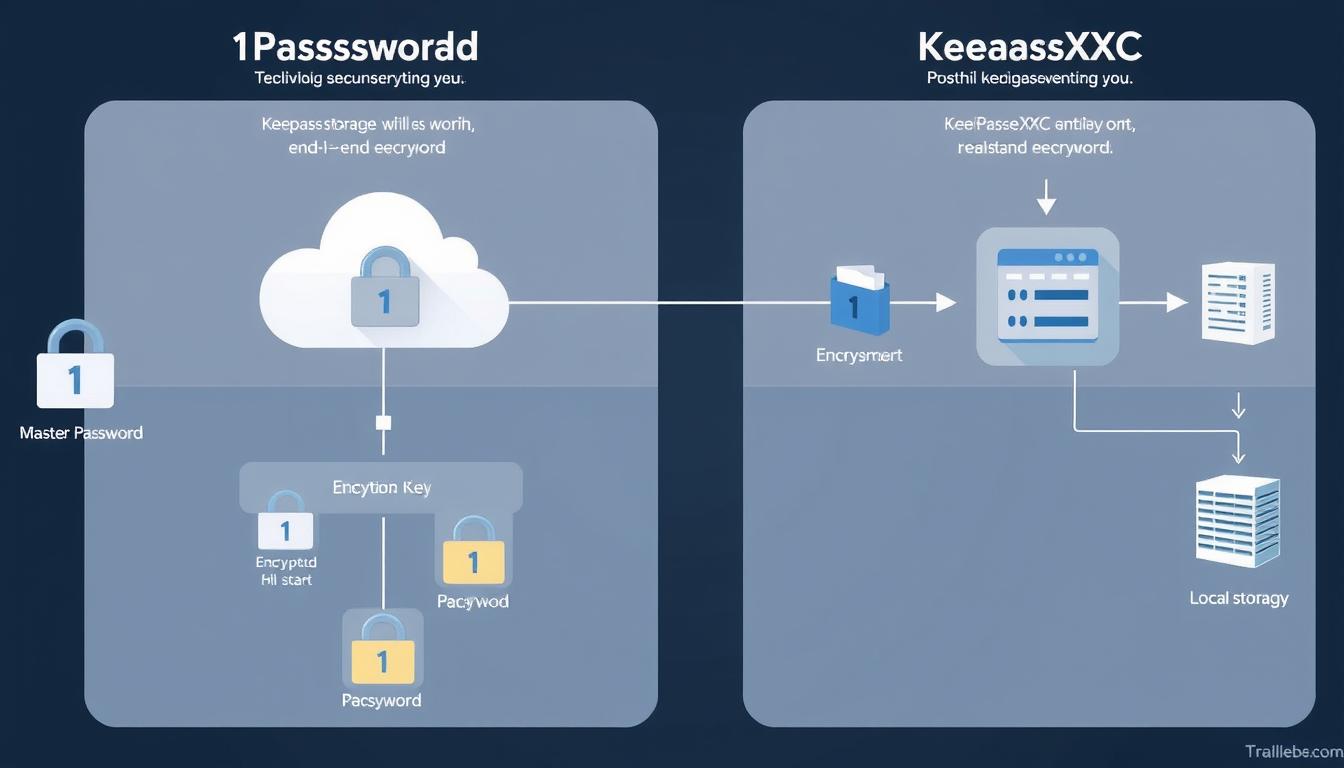
Security architecture diagram comparing 1Password vs KeePassXC encryption models

Encryption Methods

Both password managers employ industry-standard encryption to protect your sensitive data:

1Password Encryption

  • 256-bit AES encryption
  • PBKDF2 key derivation with 100,000 iterations
  • Secret Key system (128-bit randomly generated key)
  • End-to-end encryption for all data
  • Zero-knowledge architecture

KeePassXC Encryption

  • 256-bit AES encryption (default)
  • Optional ChaCha20 cipher
  • Argon2 key derivation function
  • Database never leaves your device unless you sync it
  • Optional key file authentication

Open-Source vs. Proprietary Approaches

The fundamental security philosophy differs between these two password managers:

KeePassXC: Open-Source Advantages

  • Code is publicly available for review
  • Community can identify and fix vulnerabilities
  • No reliance on a single company’s security practices
  • Transparent development process
  • No commercial incentives that might compromise security

1Password: Proprietary Approach

  • Dedicated security team with specialized expertise
  • Regular third-party security audits
  • Bug bounty program to incentivize vulnerability reporting
  • Faster response to security issues
  • Consistent security implementation across platforms

Audit History and Vulnerability Management

Both password managers have established track records for security:

Security Aspect1PasswordKeePassXC
Independent AuditsRegular audits by firms like Cure53 and ZeteticEU-FOSSA audits, community code reviews
Vulnerability ResponseDedicated security team, typically quick responseCommunity-driven, response time varies
Breach HistoryNo known major breachesNo known major breaches
Bug Bounty ProgramYes, with significant rewardsNo formal program

Data Storage and Synchronization Security

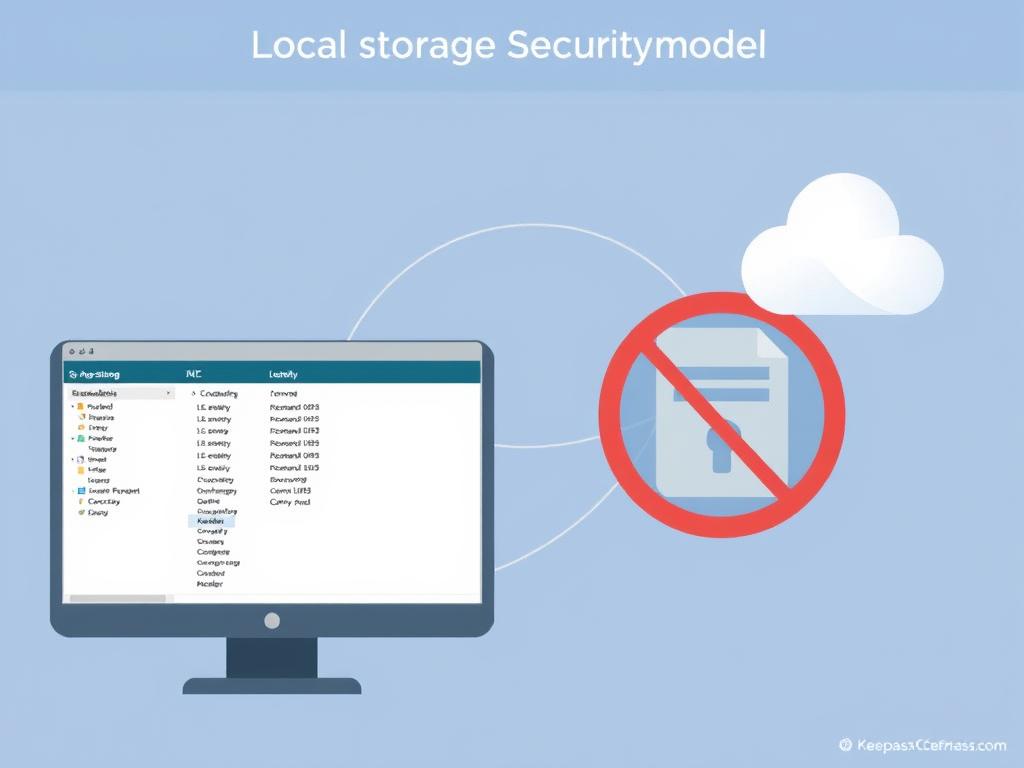
The most significant security difference between these password managers is how they handle data storage:

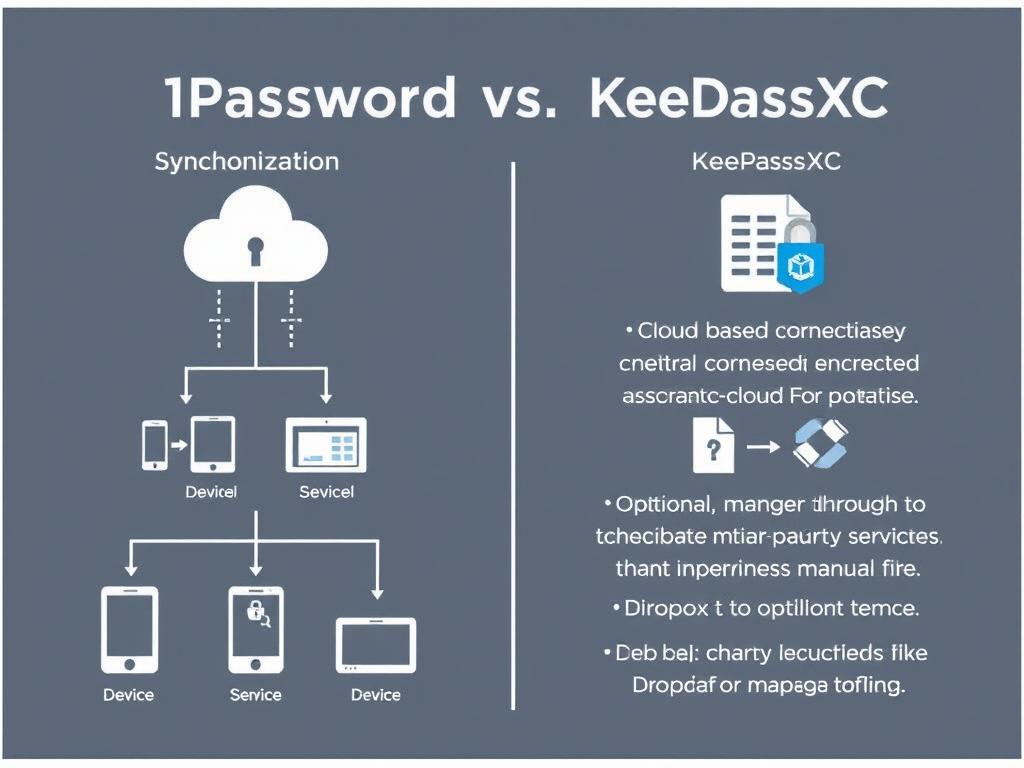
Diagram showing cloud vs local storage models for 1Password vs KeePassXC

1Password: Cloud-Based Approach

1Password stores your encrypted vault on their servers, which enables seamless synchronization across devices but introduces a potential attack vector. Your data is protected by:

  • End-to-end encryption (data is encrypted before leaving your device)
  • Two-secret key derivation (master password + secret key)
  • Transport Layer Security (TLS) for all communications
  • SOC 2 Type 2 compliant infrastructure

KeePassXC: Local-First Approach

KeePassXC stores your password database locally on your device by default, which eliminates cloud security concerns but requires manual synchronization:

  • No data stored on third-party servers by default
  • Optional synchronization via third-party services (Dropbox, Google Drive, etc.)
  • Complete control over where your database is stored
  • No reliance on the security of a password manager company’s servers

Take Control of Your Password Security

Ready to enhance your digital security with a robust password manager? Choose the approach that aligns with your security philosophy.Try 1Password Free for 14 DaysDownload KeePassXC

Feature Comparison: What Each Password Manager Offers

Feature comparison dashboard showing 1Password vs KeePassXC capabilities

Core Password Management Features

Feature1PasswordKeePassXC
Password StorageUnlimitedUnlimited
Password GeneratorYes (customizable up to 100 characters)Yes (highly customizable up to 30,000 characters)
Auto-FillYes (seamless across platforms)Yes (via Auto-Type or browser integration)
Auto-SaveYesNo (manual entry required)
Secure NotesYesYes
File AttachmentsYes (1GB storage)Yes (limited by local storage)
Credit Card StorageYes (dedicated template)Yes (custom fields)
Identity ManagementYes (comprehensive)Basic (via custom fields)

Cross-Platform Support and Browser Integration

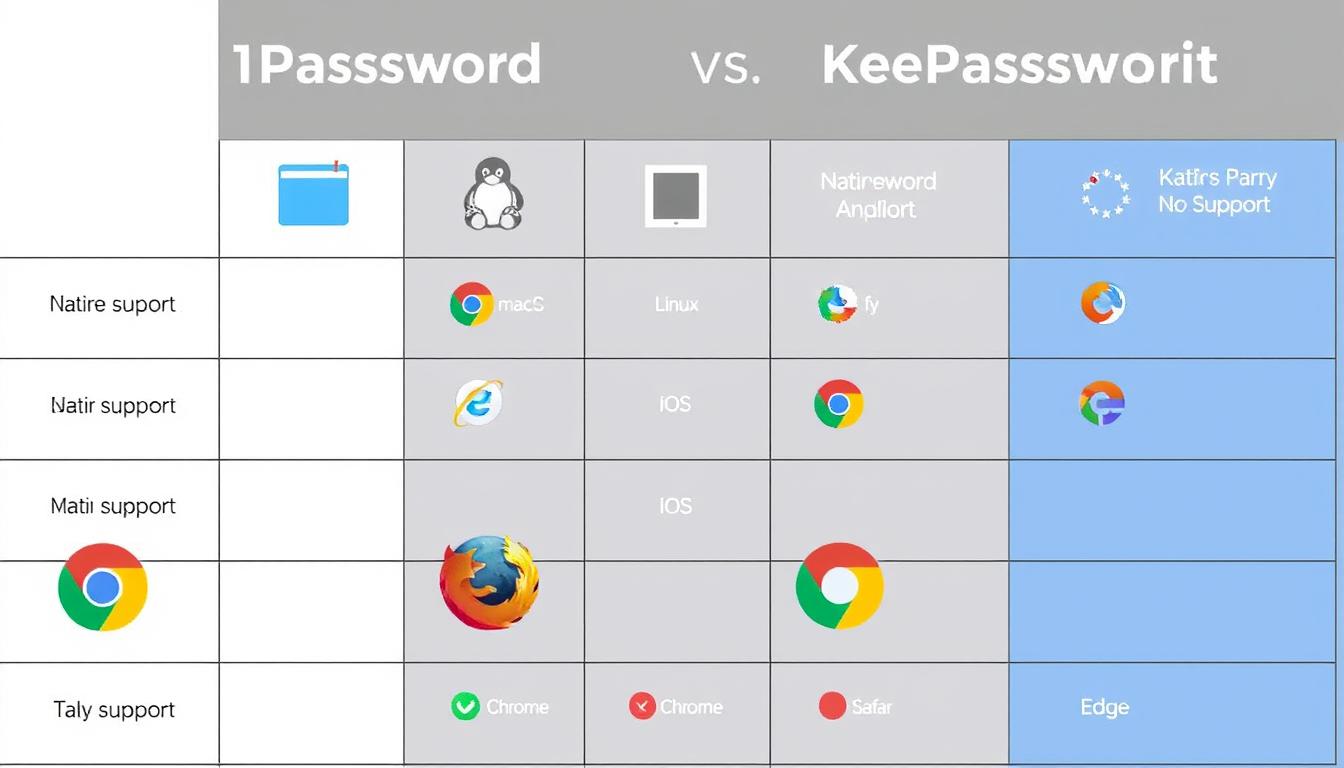
Cross-platform compatibility matrix for 1Password vs KeePassXC

1Password Platform Support

  • Windows (native app)
  • macOS (native app)
  • Linux (native app)
  • iOS (native app)
  • Android (native app)
  • Chrome OS (web vault + extension)
  • Web access (any modern browser)

KeePassXC Platform Support

  • Windows (native app)
  • macOS (native app)
  • Linux (native app)
  • iOS (third-party apps like Strongbox, KeePassium)
  • Android (third-party apps like KeePass2Android)
  • No official web access

Browser Integration Comparison

Browser1PasswordKeePassXC
ChromeNative extensionNative integration + third-party extensions
FirefoxNative extensionNative integration + third-party extensions
SafariNative extensionThird-party extensions only
EdgeNative extensionNative integration + third-party extensions
BraveNative extension (Chrome compatible)Native integration + third-party extensions

Password Sharing and Collaboration

Password sharing capabilities comparison between 1Password vs KeePassXC

1Password Sharing Capabilities

1Password excels at secure password sharing with comprehensive options:

  • Family sharing (up to 5 users)
  • Team and business sharing options
  • Granular permission controls
  • Shared vaults with customizable access
  • Temporary password sharing via links (Psst! feature)
  • Activity logs for shared items

KeePassXC Sharing Capabilities

KeePassXC offers more limited sharing options:

  • No built-in sharing mechanism
  • Manual database sharing (requires sending the file)
  • Shared database access (same master password)
  • No granular permission controls
  • No activity tracking for shared items

Unique Features and Capabilities

1Password Unique Features

  • Travel Mode: Hide sensitive vaults when crossing borders
  • Watchtower: Monitors for compromised passwords and vulnerable sites
  • Virtual Payment Cards: Generate unique cards for online purchases (US only)
  • Masked Email: Create unique email aliases (via Fastmail integration)
  • Passkey Support: Store and manage FIDO2 passkeys
  • Command-line Interface: Automation via CLI tool

KeePassXC Unique Features

  • Complete Offline Usage: No internet connection required
  • Key File Authentication: Additional security layer with physical key file
  • Hardware Key Support: YubiKey challenge-response integration
  • Database Merging: Combine multiple password databases
  • High Customizability: Extensive options for power users
  • SSH Agent Integration: Manage SSH keys directly

Find the Feature Set That Matches Your Needs

Whether you need seamless cross-platform integration or complete control over your data, there’s a password manager that fits your requirements.

Explore 1Password FeaturesDiscover KeePassXC Capabilities

Usability Assessment: Interface Design and User Experience

Side-by-side comparison of 1Password vs KeePassXC user interfaces

Interface Design Comparison

1Password Interface

1Password offers a polished, user-friendly interface designed for accessibility:

  • Clean, modern design with intuitive navigation
  • Consistent experience across all platforms
  • Visual categorization of different item types
  • Quick search functionality
  • Customizable views and organization
  • Dark mode support
1Password mobile and desktop interface showing consistent design

KeePassXC Interface

KeePassXC features a more utilitarian interface focused on functionality:

  • Traditional desktop application layout
  • Folder-based organization system
  • Customizable columns and views
  • Detailed entry information display
  • Advanced search capabilities
  • Theme support (including dark mode)
1Password mobile and desktop interface showing consistent design

Setup Complexity and Learning Curve

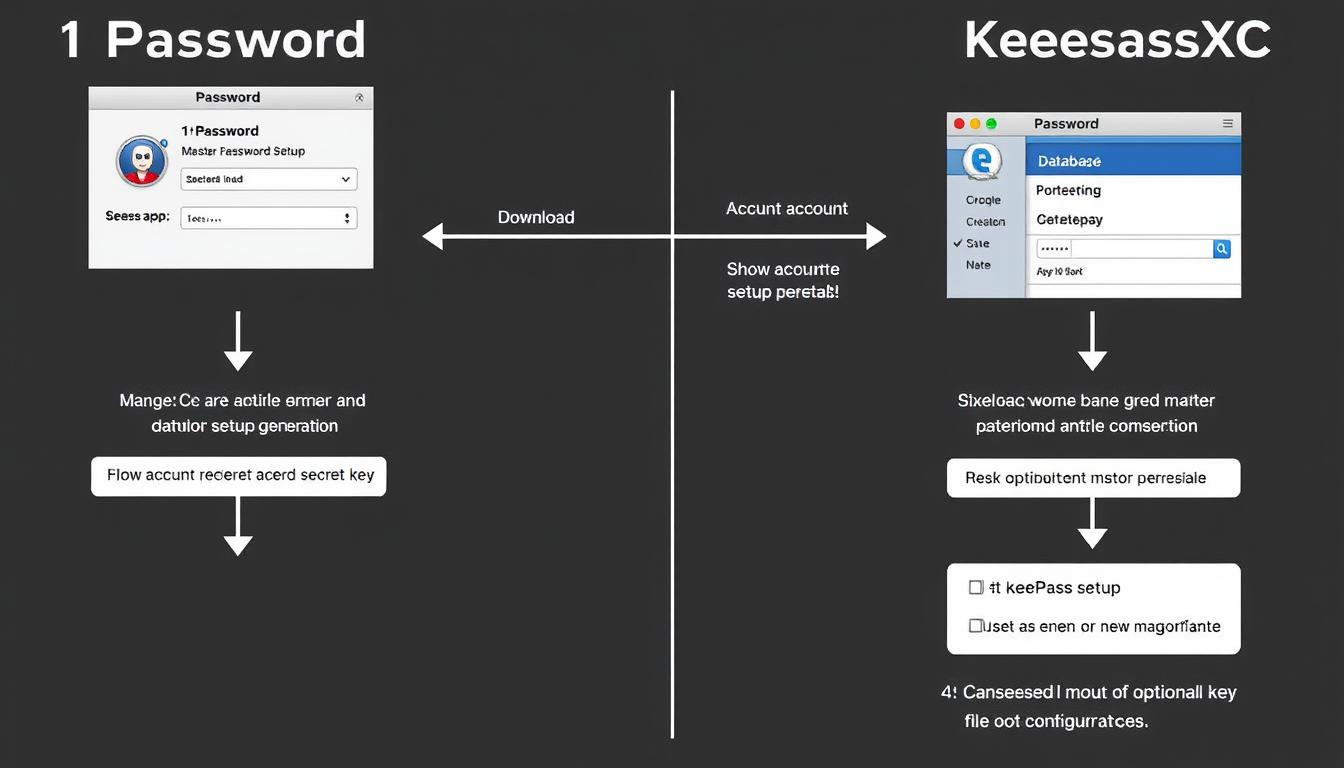
Setup process comparison between 1Password vs KeePassXC

1Password Setup Process

  1. Create an account on the 1Password website
  2. Set up a master password
  3. Save your Emergency Kit (contains your Secret Key)
  4. Download and install the app for your platform
  5. Sign in with your account details
  6. Install browser extensions
  7. Begin adding passwords (manual or import)

Learning Curve: Gentle. 1Password guides users through setup with clear instructions and an intuitive interface. Most users can be up and running within minutes.

KeePassXC Setup Process

  1. Download KeePassXC from the official website
  2. Install the application
  3. Create a new database file
  4. Set up a master password
  5. Configure optional key file or YubiKey (advanced)
  6. Save your database file in a secure location
  7. Set up browser integration (requires additional steps)
  8. Begin adding passwords manually

Learning Curve: Steeper. KeePassXC requires more technical understanding and manual configuration. Users need to understand concepts like database files, key files, and manual synchronization.

Mobile App Experience

1Password Mobile Experience

1Password mobile app interface on smartphone

  • Native apps for iOS and Android
  • Biometric authentication (Face ID, Touch ID, fingerprint)
  • Autofill integration with mobile browsers
  • App autofill support
  • Offline access to passwords
  • Automatic syncing across devices
  • Watch app for Apple Watch

KeePassXC Mobile Experience

KeePass2Android mobile app interface on smartphone

  • Third-party apps (KeePass2Android, KeePassium, Strongbox)
  • Varying interfaces depending on the app
  • Manual database synchronization required
  • Biometric authentication support (varies by app)
  • Autofill capabilities (varies by app and platform)
  • Offline access to passwords
  • No official mobile solution

Daily Usage and Workflow

Task1Password ExperienceKeePassXC Experience
Adding a new passwordAutomatic prompt when creating accounts; one-click saveManual entry required; no automatic detection
Logging into websitesAutomatic detection and fill; browser extension iconAuto-Type functionality or browser integration (requires setup)
Finding passwordsQuick search with categorized resultsSearch functionality with advanced filtering options
Generating passwordsIntegrated generator with customizable optionsPowerful generator with extensive customization
Sharing passwordsSimple sharing via vaults or temporary linksManual sharing of database file or entries
Syncing across devicesAutomatic background syncingManual syncing via cloud storage or file transfer

Experience the Difference Yourself

The best way to understand which password manager fits your workflow is to try them out. Both offer ways to get started without commitment.Try 1Password Free for 14 DaysDownload KeePassXC (Free)

Pricing Models: Subscription vs. Free Open-Source

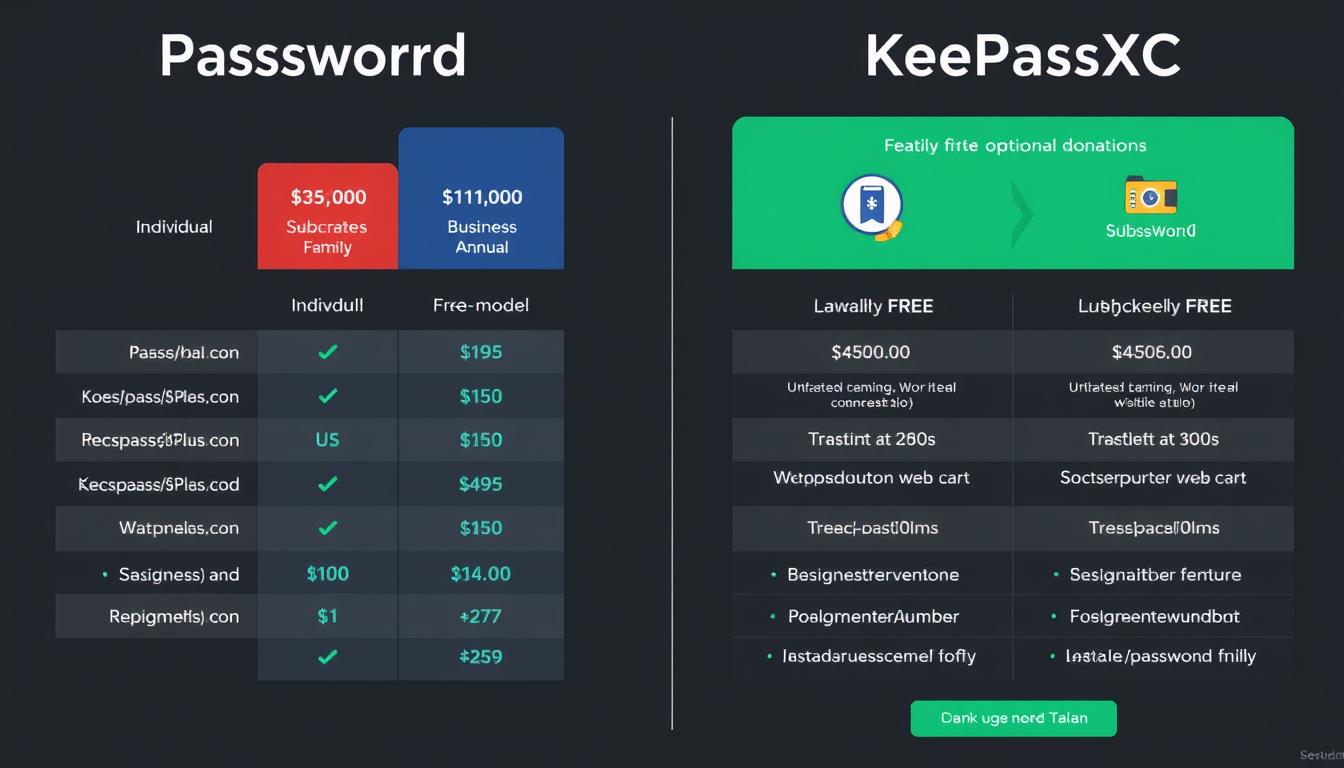
Pricing comparison chart for 1Password vs KeePassXC

1Password Subscription Model

PlanPriceFeaturesBest For
1Password Individual$2.99/month (billed annually)Unlimited passwords, 1GB document storage, Travel Mode, 24/7 email supportIndividual users who need cross-device synchronization
1Password Families$4.99/month (billed annually)Everything in Individual plus 5 family members, password sharing, permission controlsFamilies who want to share passwords securely
1Password Teams$19.95/month (10 users)Team-wide sharing, admin controls, usage reports, guest accountsSmall businesses and teams
1Password Business$7.99/user/monthEverything in Teams plus advanced protection, custom groups, activity logs, SSOLarger organizations with advanced security needs

1Password offers a 14-day free trial for all plans, allowing users to test the service before committing to a subscription. All plans include unlimited devices, 24/7 email support, and automatic syncing.

KeePassXC Free Open-Source Model

KeePassXC is completely free with no paid tiers or premium features. As an open-source project, it’s developed by volunteers and supported by community donations.

KeePassXC Funding Model

  • Completely free to download and use
  • No premium features or paid upgrades
  • Supported by voluntary donations
  • Open-source development by community contributors
  • No subscription or licensing fees

Additional Costs to Consider

  • Cloud storage for synchronization (if needed)
  • Some third-party mobile apps may have costs
  • Time investment for setup and maintenance
  • Technical knowledge required for optimal use

Value Comparison

1Password Value Proposition

  • Polished, user-friendly experience
  • Automatic synchronization across all devices
  • Dedicated support team
  • Regular updates and new features
  • Family and team sharing capabilities
  • Advanced features like Travel Mode and Watchtower

KeePassXC Value Proposition

  • No ongoing costs
  • Complete control over your data
  • No reliance on a company’s servers
  • Highly customizable for power users
  • Community-driven development
  • No account required

Long-Term Cost Considerations

5-year cost projection chart for 1Password vs KeePassXC

When considering the long-term financial impact of your password manager choice:

Time Period1Password Individual Cost1Password Family CostKeePassXC Cost
1 Year$35.88$59.88$0
3 Years$107.64$179.64$0
5 Years$179.40$299.40$0

While KeePassXC is free, it’s important to consider the value of your time spent on setup, maintenance, and synchronization. For some users, the convenience of 1Password’s subscription service may outweigh the financial cost.

Choose the Pricing Model That Works for You

Whether you prefer the convenience of a subscription service or the freedom of an open-source solution, there’s an option that fits your budget and needs.Start 1Password Free TrialGet KeePassXC for Free

Target Audiences: Which Password Manager Is Right for You?

User personas for 1Password vs KeePassXC showing different user types

Ideal Users for 1Password

Casual Users

Casual user accessing 1Password on multiple devices

Users who want a simple, intuitive experience without technical complexity. 1Password’s polished interface and automatic synchronization make it ideal for:

  • Those who value convenience and ease of use
  • Users with multiple devices who need seamless syncing
  • People who prefer guided setup processes
  • Those willing to pay for a hassle-free experience

Try 1Password

Families

Family sharing passwords securely with 1Password

Households that need to share passwords and sensitive information securely. 1Password’s family plan offers:

  • Secure sharing between family members
  • Parental controls and permission settings
  • Recovery options for family accounts
  • Private vaults for each family member
  • Simplified billing with one subscription

Explore Family Plan

Business Users

Business team using 1Password for secure collaboration

Organizations that need centralized password management with administrative controls. 1Password’s business solutions provide:

  • Centralized administration and user management
  • Detailed access logs and reporting
  • Team and group-based sharing
  • Directory integration and SSO options
  • Scalable deployment for organizations of all sizes

Discover Business Solutions

Ideal Users for KeePassXC

Security Enthusiasts

Security enthusiast configuring advanced KeePassXC settings

Users who prioritize control and transparency in their security tools. KeePassXC appeals to:

  • Privacy-focused individuals who prefer local storage
  • Those who value open-source software principles
  • Users who want complete control over their data
  • People who prefer to avoid cloud services
  • Those who appreciate security transparency

Download KeePassXC

Technical Users

Technical user customizing KeePassXC with advanced features

Power users who appreciate flexibility and customization options. KeePassXC is ideal for:

  • Developers and IT professionals
  • Users comfortable with technical configuration
  • Those who want extensive customization options
  • People who integrate password management with other tools
  • Users who prefer keyboard-driven workflows

Explore Documentation

Budget-Conscious Users

Budget-conscious user enjoying KeePassXC's free features

Users who want powerful password management without ongoing costs. KeePassXC appeals to:

  • Students and those on limited budgets
  • Users who prefer one-time downloads over subscriptions
  • People who value functionality over polish
  • Those willing to trade convenience for cost savings
  • Users who don’t need advanced sharing features

Get KeePassXC Free

User Needs Assessment

Decision flowchart for choosing between 1Password vs KeePassXC

Consider these questions to determine which password manager better suits your needs:

Do you need to share passwords with family members or colleagues?

If password sharing is important to you, 1Password offers more robust sharing capabilities with its family and team plans. KeePassXC lacks built-in sharing features, making it less suitable for collaborative password management.

How important is ease of use versus complete control?

If you prioritize a user-friendly experience with minimal setup, 1Password’s polished interface and guided processes are ideal. If you prefer complete control over your data and don’t mind a steeper learning curve, KeePassXC offers more customization and transparency.

Are you comfortable with cloud storage for your passwords?

1Password stores your encrypted data on their servers to enable seamless synchronization. If you prefer to keep your password database entirely local or manage synchronization yourself, KeePassXC gives you that control.

Is cost a significant factor in your decision?

If you’re looking for a free solution and don’t mind the additional setup and maintenance, KeePassXC is completely free. If you’re willing to pay for convenience and additional features, 1Password’s subscription model provides value through its polished experience and advanced capabilities.

Find Your Perfect Password Manager

Based on your specific needs and preferences, one of these password managers will be a better fit for your digital security strategy.Try 1Password Free for 14 DaysDownload KeePassXC

Unique Advantages: Standout Features of Each Password Manager

Key differentiating features of 1Password vs KeePassXC

1Password’s Standout Features

Travel Mode

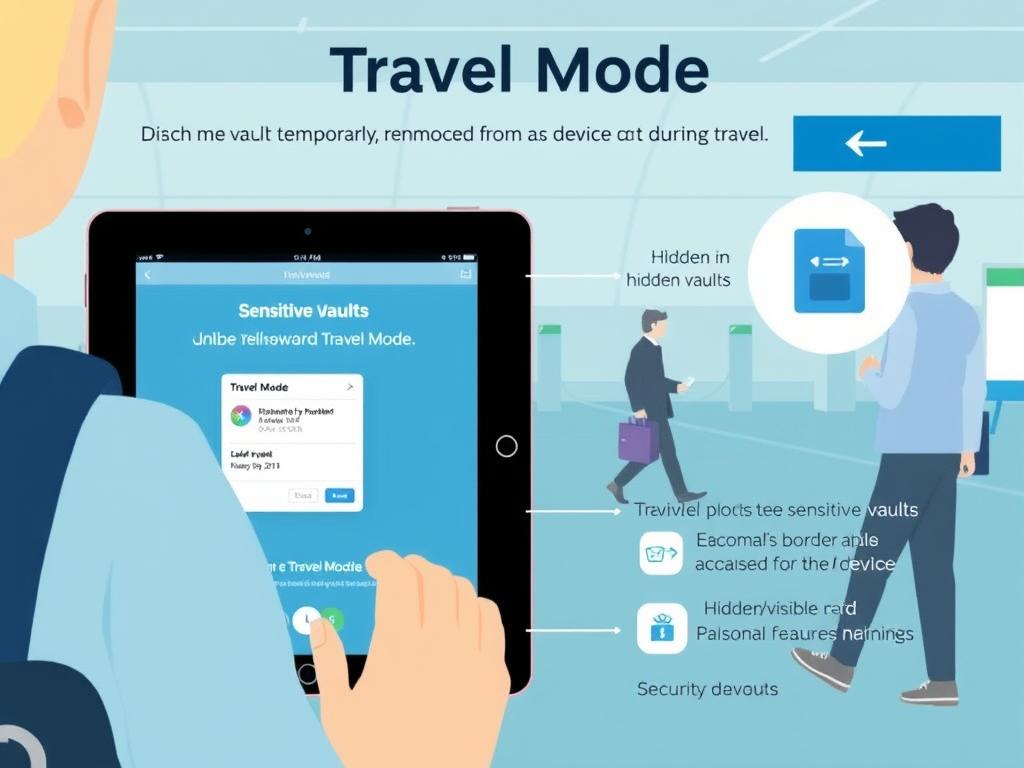
1Password Travel Mode feature demonstration

One of 1Password’s most unique features is Travel Mode, which allows you to temporarily remove sensitive vaults from your devices when crossing borders or traveling in high-risk areas:

  • Mark vaults as “safe for travel” or restricted
  • Activate Travel Mode before border crossings
  • Sensitive data is removed from your devices
  • Restore access after crossing with your account credentials
  • Protects against border searches and device confiscation

This feature is particularly valuable for international travelers, journalists, business professionals with sensitive data, and anyone concerned about privacy when crossing borders.

Watchtower

1Password Watchtower security monitoring dashboard

1Password’s Watchtower actively monitors your passwords and accounts for security vulnerabilities:

  • Alerts for compromised websites and data breaches
  • Identifies weak, reused, and old passwords
  • Flags unsecured websites (HTTP vs HTTPS)
  • Monitors for compromised credit cards
  • Provides actionable security recommendations
  • Integrates with Have I Been Pwned database

Watchtower provides proactive security monitoring without requiring technical knowledge, helping users maintain strong password hygiene with minimal effort.

Seamless Cross-Platform Experience

1Password offers one of the most consistent and polished experiences across all platforms:

  • Native apps for all major operating systems
  • Consistent interface across platforms
  • Automatic background synchronization
  • Browser extensions that work identically across browsers
  • Mobile apps with full feature parity
  • Web access when you can’t install applications

Family and Team Sharing

1Password excels at secure sharing with comprehensive options:

  • Dedicated family and team plans
  • Granular permission controls
  • Recovery options for account access
  • Shared vaults with customizable access
  • Activity logs for shared items
  • Temporary password sharing via links

KeePassXC’s Standout Features

Complete Offline/Local Storage

KeePassXC local database storage and security

KeePassXC’s local-first approach provides unique security and privacy benefits:

  • Database file never leaves your device unless you choose to sync it
  • No reliance on third-party servers or cloud services
  • Complete control over where your data is stored
  • Works entirely offline with no internet connection required
  • Immune to cloud service breaches or outages
  • No account creation or registration required

This approach is ideal for users with strict privacy requirements, those who work in air-gapped environments, or anyone who prefers complete control over their sensitive data.

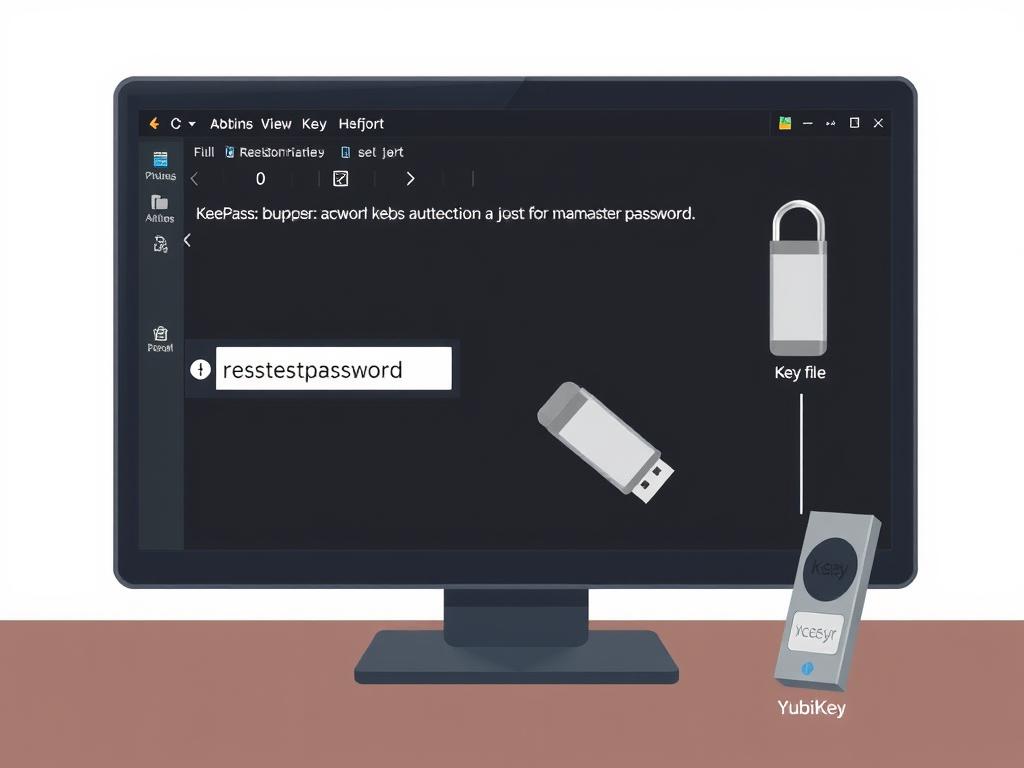
Advanced Authentication Options

KeePassXC multi-factor authentication with key file and YubiKey

KeePassXC offers powerful multi-factor authentication options:

  • Key file authentication (second factor stored on separate device)
  • YubiKey challenge-response integration
  • Hardware key support
  • Combine multiple authentication methods simultaneously
  • Windows user account integration
  • Customizable security parameters

These options allow for extremely strong protection of your password database, especially when combining multiple authentication factors (e.g., master password + key file + YubiKey).

Open-Source Transparency

As an open-source project, KeePassXC offers unique advantages:

  • Complete code transparency and auditability
  • No hidden features or data collection
  • Community-driven development and bug fixing
  • No commercial pressures affecting security decisions
  • Ability to verify security implementations personally
  • Freedom to modify the code for specific needs

Advanced Customization

KeePassXC offers extensive customization options for power users:

  • Highly configurable password generation
  • Database merging capabilities
  • Custom fields and entry templates
  • Command-line interface for automation
  • SSH agent integration
  • Extensive keyboard shortcuts

Experience These Unique Features Yourself

The standout features of each password manager address different security needs and preferences. Try them to see which approach better aligns with your requirements.Try 1Password’s Travel ModeExplore KeePassXC’s Local Storage

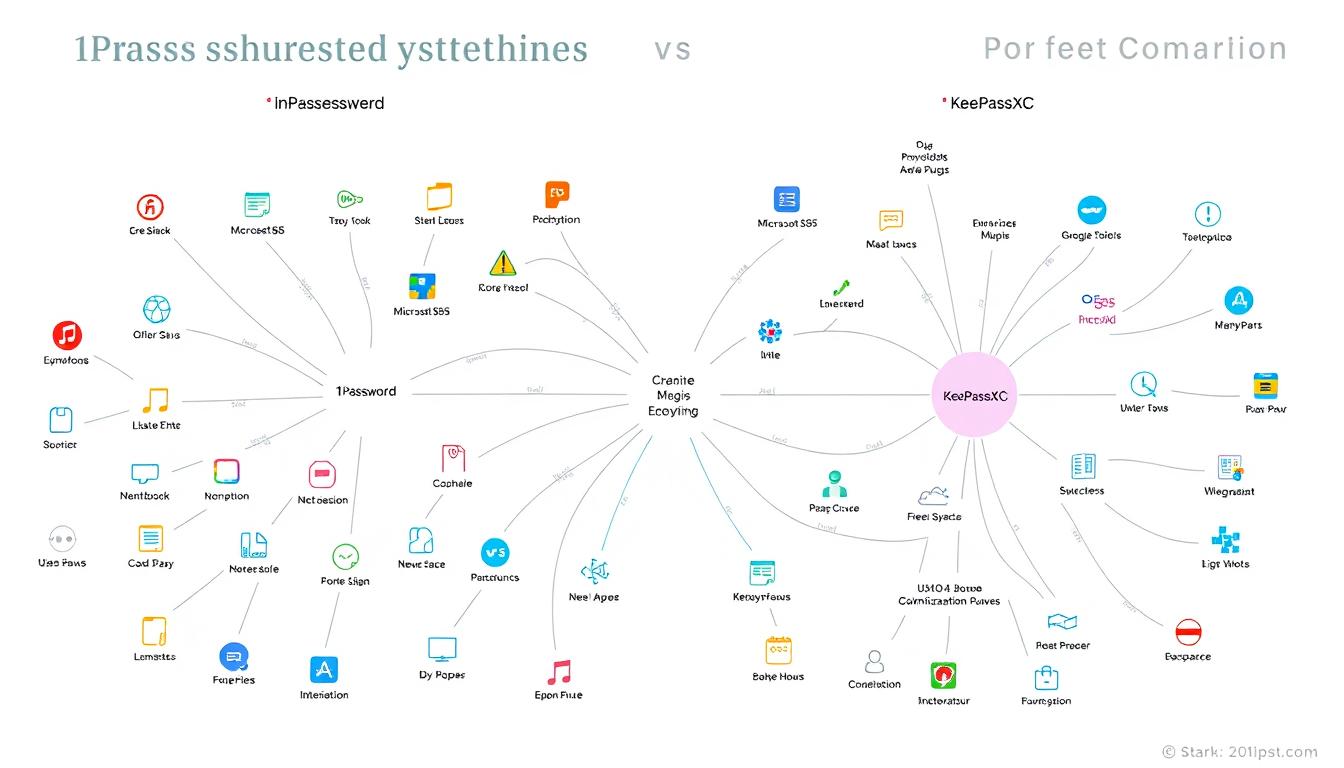
Third-Party Integrations and Enterprise Compatibility

Integration ecosystem comparison for 1Password vs KeePassXC

1Password Integrations

Business and Enterprise Integrations

  • Single Sign-On (SSO): Okta, Azure AD, OneLogin
  • Directory Services: Active Directory, Google Workspace
  • SCIM Provisioning: Automated user management
  • MDM Solutions: Jamf, Microsoft Intune
  • Slack: Secure credential sharing in channels
  • Terraform: Infrastructure as code integration
  • GitLab: CI/CD pipeline integration

Developer and Productivity Integrations

  • Command Line Interface (CLI): Automation and scripting
  • Fastmail: Masked email addresses
  • Rippling: Employee onboarding/offboarding
  • AWS, GCP, Azure: Cloud credential management
  • Developer Tools: VS Code, JetBrains IDEs
  • API Access: Custom integrations

KeePassXC Integrations

Native Integrations

  • Browser Integration: Chrome, Firefox, Edge, Brave
  • SSH Agent: Manage SSH keys
  • YubiKey: Hardware authentication
  • TOTP: Built-in two-factor code generation
  • Command Line Interface: Basic CLI functionality

Third-Party Extensions and Plugins

  • Synchronization Services: Dropbox, Google Drive, OneDrive
  • Mobile Apps: KeePass2Android, KeePassium, Strongbox
  • Browser Extensions: KeePassXC-Browser, KeePassHttp
  • Community Plugins: Various functionality extensions
  • Custom Scripts: Python, PowerShell, Bash integration

Enterprise Compatibility Comparison

Enterprise Feature1PasswordKeePassXC
User Provisioning/DeprovisioningAutomated via SCIMManual
Access ControlRole-based with granular permissionsBasic file permissions only
Audit LoggingComprehensive activity logsLimited/None
Compliance CertificationsSOC2, ISO 27001, GDPR compliantNo formal certifications
Enterprise SupportDedicated account managers, priority supportCommunity support only
Deployment OptionsCloud, dedicated cloud instanceSelf-hosted only
Custom DeploymentLimited customizationComplete customization (open source)

Integration Use Cases

1Password Enterprise Scenarios

1Password enterprise integration workflow diagram

  • Employee Onboarding: Automated account provisioning via SCIM, immediate access to relevant vaults
  • Secure DevOps: Integration with CI/CD pipelines for secure secret management
  • Compliance Requirements: Detailed audit logs for regulatory compliance
  • Team Collaboration: Secure sharing of credentials across departments
  • Remote Work Security: Consistent access control regardless of location

KeePassXC Enterprise Scenarios

KeePassXC custom enterprise deployment diagram

  • Air-Gapped Environments: Password management in high-security networks without internet
  • Custom Security Requirements: Organizations with specific security protocols
  • Budget-Constrained IT: Enterprise password management without licensing costs
  • Regulatory Environments: Complete control over password storage location
  • Open-Source Organizations: Alignment with open-source software policies

Find the Right Integration Solution

Whether you need enterprise-grade integrations or prefer a customizable approach, choose the password manager that best fits your technical ecosystem.Explore 1Password BusinessLearn About KeePassXC Integration

Conclusion: Choosing the Right Password Manager for Your Needs

Final comparison summary of 1Password vs KeePassXC with recommendations

Summary of Key Differences

Aspect1PasswordKeePassXC
Business ModelCommercial subscription serviceFree open-source software
Data StorageCloud-based with local encryptionLocal storage only
Ease of UsePolished, user-friendlyMore technical, steeper learning curve
Sharing CapabilitiesComprehensive sharing featuresLimited sharing options
Cross-Platform SupportNative apps for all platformsNative desktop, third-party mobile
Unique StrengthsTravel Mode, Watchtower, seamless syncComplete control, offline usage, customization

Recommendations for Different User Types

  • Value ease of use and polished design
  • Need to share passwords with family or team members
  • Want seamless synchronization across multiple devices
  • Prefer guided setup and intuitive interfaces
  • Need advanced features like Travel Mode
  • Want comprehensive customer support
  • Are willing to pay for convenience and features
  • Prefer complete control over your password data
  • Are comfortable with technical setup
  • Want a free password management solution
  • Value open-source software principles
  • Need to work in offline environments
  • Prefer local storage over cloud services
  • Want extensive customization options

Final Thoughts

Both 1Password and KeePassXC are excellent password managers that take different approaches to solving the same problem. Your choice ultimately depends on your specific needs, technical comfort level, and security philosophy.

1Password offers a more streamlined, user-friendly experience with powerful sharing features and seamless synchronization, making it ideal for most users, families, and businesses who value convenience alongside security.

KeePassXC provides maximum control and transparency with its open-source, locally-stored approach, appealing to security enthusiasts, technical users, and those who prefer to avoid cloud services or subscription costs.

Regardless of which password manager you choose, the most important step is to start using one. Both options will significantly improve your security posture compared to reusing passwords or storing them insecurely.

Take the Next Step in Password Security

Ready to strengthen your digital security with a robust password manager? Choose the solution that best aligns with your needs and preferences.Try 1Password Free for 14 DaysDownload KeePassXC

Frequently Asked Questions

Is 1Password more secure than KeePassXC?

Both 1Password and KeePassXC offer strong security with 256-bit AES encryption. The main security difference is in their approach: 1Password uses a cloud-based model with end-to-end encryption, while KeePassXC stores data locally. KeePassXC may have a slight edge for users concerned about cloud storage, while 1Password offers more consistent security implementation across platforms. Both are considered highly secure when used properly with strong master passwords.

Can I migrate from 1Password to KeePassXC or vice versa?

Yes, you can migrate between these password managers. 1Password allows you to export your data in CSV format, which KeePassXC can import. Similarly, KeePassXC can export to CSV for import into 1Password. The migration process may require some manual adjustments, as certain custom fields or special entries might not transfer perfectly, but the core password data will migrate successfully.

Does KeePassXC work on mobile devices?

KeePassXC doesn’t offer official mobile apps, but several third-party applications provide compatible mobile access to KeePassXC databases. For Android, KeePass2Android is a popular option. For iOS, apps like KeePassium and Strongbox work well with KeePassXC databases. These third-party apps can open and edit the same database files used by KeePassXC on desktop, though the user experience may differ from the desktop application.

How do I sync KeePassXC across multiple devices?

KeePassXC doesn’t include built-in synchronization, but you can sync your database across devices using third-party methods:

  1. Cloud storage services: Store your database file in Dropbox, Google Drive, OneDrive, etc.
  2. File synchronization tools: Use tools like Syncthing or Resilio Sync for peer-to-peer synchronization
  3. Manual transfer: Copy the database file between devices using USB drives or local network sharing
  4. Version control systems: Use Git or similar tools to manage database versions

When using cloud services, your database remains encrypted with your master password, so the service provider cannot access your passwords.

Is 1Password worth the subscription cost?

Whether 1Password’s subscription is worth the cost depends on your specific needs. The subscription provides value through:

  • Seamless synchronization across all devices
  • Polished, user-friendly interfaces
  • Advanced features like Travel Mode and Watchtower
  • Comprehensive sharing capabilities for families and teams
  • Professional support and regular updates

For many users, especially those who value convenience or need family sharing, the subscription cost is justified by these benefits. However, if you’re comfortable with more technical setup and don’t need sharing features, KeePassXC’s free approach may be more appealing.

What happens if 1Password or KeePassXC stops being developed?

If development ceased:

1Password: As a commercial product, 1Password would likely provide migration options if they ever discontinued their service. Your data remains encrypted locally on your devices, and you can export it to other formats at any time.

KeePassXC: Being open-source, even if the current development team stopped work, the code would remain available. Other developers could continue the project, or you could continue using the last stable version indefinitely. The database format is well-documented and supported by multiple applications.

Both password managers use standard encryption methods and provide export options, ensuring your data remains accessible even if development stops.

1Password and mSecure

1Password and mSecure: A Comprehensive Comparison for 2025

The digital landscape has changed significantly over the past decade, creating an unprecedented demand for robust password management solutions. You’re now managing dozens, if not hundreds, of online accounts across various platforms—from banking and social media to work applications and streaming services. The days of using simple, memorable passwords are long gone, replaced by the harsh reality that weak credentials leave you vulnerable to cyber attacks and data breaches.

Password management in 2025 requires sophisticated tools that can handle complex security requirements while maintaining user-friendly interfaces. You need solutions that not only generate and store strong passwords but also adapt to emerging security threats and evolving authentication methods. The stakes have never been higher, with cybercriminals becoming increasingly sophisticated in their attack methods.

When evaluating 1Password and mSecure for your password management needs, you’re choosing between two distinct approaches to digital security. Both platforms recognize the critical importance of password managers in today’s interconnected world, yet they serve different user preferences and requirements.

This comprehensive 1Password vs mSecure comparison will examine every aspect of these password managers—from security features and platform compatibility to pricing and user experience. You’ll discover which solution aligns best with your specific needs, whether you’re an individual user seeking basic password storage or a team requiring advanced collaboration features. The right choice can significantly impact your digital security posture and daily workflow efficiency.

1Password vs mSecure: An Overview

1Password is one of the most well-known names in password management, serving millions of users worldwide with its comprehensive security suite. This Canadian-developed platform has built its reputation on delivering strong password manager features that go beyond just storing credentials. If you need advanced security tools, seamless form-filling capabilities, and compatibility across multiple operating systems, you’ll find 1Password particularly appealing.

The platform caters to both individual users and enterprise customers who require advanced security measures. Business teams rely on 1Password’s collaborative features, while personal users appreciate its user-friendly interface and thorough breach monitoring capabilities. Expect features like passkey support, two-factor authentication integration, and detailed security reporting that appeals to both individuals and organizations concerned about security.

mSecure positions itself as a reliable alternative focusing on core password management fundamentals with enhanced sharing capabilities. This password manager emphasizes simplicity without compromising security, utilizing 256-bit AES encryption with a unique 46-character account key system. You’ll discover that mSecure excels in vault-sharing scenarios, making it particularly attractive for families and small teams who need controlled access to shared credentials.

The target audience for mSecure includes users who prioritize straightforward password management with strong collaborative features. Small business owners, families, and individuals who value customizable data storage templates find mSecure’s approach refreshing. You can store various information types beyond passwords, including secure notes, credit cards, and personal documents using flexible templates.

Both platforms share the fundamental objective of securely storing passwords and sensitive data, yet they have different philosophies in achieving this goal. 1Password leans toward feature-rich functionality with advanced security tools, while mSecure focuses on reliable basics with superior sharing capabilities. When choosing between these two established password managers, you’ll need to consider whether you prefer comprehensive features or streamlined collaboration.

Security Features Comparison: Protecting Your Data with Confidence

When evaluating password managers, encryption standards serve as the foundation of digital security. Both mSecure and 1Password implement robust protection mechanisms, yet their approaches differ significantly in execution and additional security layers.

Encryption Architecture and Implementation

mSecure employs AES-256 encryption paired with an impressive 46-character account key that creates an uncrackable vault encryption system. This extended key length provides exceptional security, making unauthorized access virtually impossible even with advanced computational resources. The app generates this unique account key during initial setup, ensuring each user’s vault remains completely isolated and secure.

1Password utilizes its own sophisticated encryption approach, combining AES-256 encryption with their proprietary Secret Key system. This dual-layer protection creates a security model where even 1Password’s servers cannot decrypt your data without both your master password and Secret Key. The implementation focuses on zero-knowledge architecture, meaning your sensitive information remains encrypted end-to-end.

Biometric Authentication Across Platforms

Biometric unlock capabilities showcase where mSecure excels in cross-platform consistency. The app supports fingerprint and face recognition across all major platforms including macOS, Windows, iOS, Android, and even watchOS devices. This comprehensive biometric support ensures you can access your passwords quickly and securely regardless of your device.

1Password also provides extensive biometric authentication options, supporting Touch ID, Face ID, and Windows Hello across compatible devices. The implementation integrates seamlessly with each operating system’s native biometric systems, providing reliable and fast authentication experiences.

Two-Factor Authentication Implementation

Two-factor authentication (2FA) represents a significant differentiator between these password managers. 1Password offers comprehensive 2FA support, including built-in authenticator functionality that generates time-based one-time passwords (TOTP) directly within the app. You can store and manage 2FA codes alongside your passwords, creating a streamlined security workflow.

mSecure’s 2FA capabilities remain limited compared to 1Password’s robust implementation. While the app provides basic security features, it lacks the integrated authenticator functionality that many users expect from modern password managers.

Advanced Security Monitoring

Data breach monitoring capabilities highlight 1Password’s commitment to proactive security measures.

Platform Compatibility and Syncing: Access Your Passwords Anywhere, Anytime

Platform Support: Access Your Passwords on Any Device

mSecure offers extensive support for all major operating systems, ensuring you can access your passwords no matter where you are. It is compatible with macOS, Windows, iOS, Android, and even watchOS devices. This means you can install mSecure on your computer, smartphone, and smartwatch, allowing your passwords to travel with you. With such broad device coverage, you’ll never have to worry about being unable to log into your accounts, regardless of which device you’re using.

Similarly, 1Password also provides wide compatibility by supporting the same core platforms. You can find native applications for macOS, Windows, iOS, and Android. Additionally, 1Password offers browser extensions that work seamlessly across different web browsers. For Linux users, there is even support available, providing tech-savvy individuals with more flexibility in their choice of devices.

Syncing Mechanisms: Keeping Your Data Current

To ensure your passwords are always up to date on all your devices, both mSecure and 1Password have implemented effective syncing mechanisms.

mSecure Cloud: Instant Sync Across Devices

mSecure Cloud handles synchronization with remarkable efficiency. Whenever you make changes to your passwords, such as updating or adding new ones, those changes sync instantly across all connected devices. This eliminates any frustrating delays that could leave you with outdated login credentials.

For example:

  • If you update a password on your phone using mSecure app,
  • That updated password will immediately be available on your laptop and other devices where mSecure is installed.

Flexible Sync Options with 1Password

On the other hand, 1Password takes a different approach by offering multiple syncing methods to cater to different user preferences.

You can choose to sync your data through 1Password’s own cloud service. This ensures secure transmission of your vault data as it is encrypted during transit. Alternatively, if you prefer keeping your data within your own network infrastructure, local network syncing is also supported by 1Password.

Security Measures During Sync Process

Both password managers prioritize security during the sync process by encrypting your data before it leaves your device. This means that whether you’re updating passwords at home or accessing them while traveling, your sensitive information remains protected throughout the transmission.

The reliability of these syncing systems directly impacts how smoothly you can work on a daily basis. Therefore, when deciding between these two password managers, seamless synchronization becomes an important factor to consider.

Understanding Platform Security

It’s also crucial to note that both platforms adhere to strict security measures during the syncing process. For instance, Apple’s platform security guide outlines various security protocols in place for their operating systems like iOS and macOS. These measures further enhance the safety of your sensitive information while using password management services like mSecure and 1Password

User Experience (UX) and Interface Design: Seamless Navigation for Effortless Management

The user interface design of both password managers reflects their distinct approaches to password management, with each prioritizing different aspects of ease of use.

mSecure’s Customization-Focused Interface

mSecure excels in providing extensive customization options through its template system. You can create and modify templates for various data types including:

  • Secure notes with rich text formatting
  • Credit card information with custom fields
  • Bank account details with personalized categories
  • Driver’s licenses and identity documents
  • Custom templates tailored to your specific needs

The interface allows you to add unlimited custom fields to any template, giving you complete control over how you organize and store your sensitive information. This flexibility makes mSecure particularly appealing if you need to store diverse types of data beyond traditional passwords.

1Password’s Streamlined Form-Filling Experience

1Password takes a different approach, focusing on seamless integration with your browsing experience. The interface prioritizes form-filling capabilities that work intelligently across websites and applications. You’ll find:

  • Smart categorization that automatically recognizes login types
  • Intuitive form detection that populates fields accurately
  • Clean, modern design that reduces visual clutter
  • Context-aware suggestions based on the website you’re visiting

The interface design emphasizes speed and efficiency, making it simple to access your credentials without navigating through complex menu structures.

Navigation and Accessibility Differences

mSecure’s interface provides more granular control through its tagging and favorites system, allowing you to organize entries with multiple organizational layers. The search functionality works across all custom fields and templates you’ve created.

1Password’s navigation focuses on quick access patterns, with keyboard shortcuts and browser integration taking priority. The interface adapts well to different screen sizes and maintains consistency across all supported platforms, making it easier to switch between devices without relearning the interface layout.

Advanced Password Management Features: Enhancing Security Without Compromising Convenience

Both password managers excel at creating strong, unique passwords, yet each takes a distinctly different approach to password generator functionality. mSecure’s generator stands out with its ability to create passwords up to 40 characters in length, giving you extensive customization options for password complexity. The passphrase option within mSecure allows you to generate memorable yet secure combinations of words, making it easier to manually enter passwords when auto-fill isn’t available.
mSecure’s Password Generator Strengths:

  • Maximum 40-character password length
  • Built-in passphrase generation for enhanced memorability
  • Customizable character sets and complexity rules
  • Quick generation directly within the app interface

1Password takes password generation to another level with its advanced algorithmic approach. The platform offers sophisticated password creation tools that analyze website requirements and automatically adjust parameters accordingly. You’ll find 1Password’s generator particularly useful for handling complex password requirements across different platforms and services.

1Password’s Advanced Generator Features:

  • Intelligent password requirement detection
  • Multiple generation algorithms for different use cases
  • Seamless integration with form-filling capabilities
  • Advanced entropy calculations for maximum security

The choice between these generators often depends on whether you prioritize manual password entry flexibility (mSecure) or automated, context-aware password creation (1Password). Both approaches deliver robust security while maintaining practical usability for your daily password management needs.

Collaboration and Sharing Capabilities: Safeguarding Teamwork with Controlled Access

mSecure takes a distinctive approach to vault sharing, offering sophisticated collaboration features that set it apart in the password management landscape. The app enables you to create and manage multiple vaults, each serving as a separate container for different types of sensitive information. This multi-vault architecture proves particularly valuable when you need to compartmentalize data for various projects, teams, or personal categories.

The access control system in mSecure allows you to grant specific permissions to different users for each vault. You can determine who has read-only access versus full editing privileges, ensuring sensitive corporate credentials remain protected while still enabling team collaboration. This granular control extends to individual record types within each vault, giving you precise authority over what information team members can view or modify.

1Password approaches collaboration through its family and business plans, utilizing shared vaults that integrate seamlessly with its broader ecosystem. The platform emphasizes streamlined sharing through its intuitive interface, allowing you to share individual items or entire collections with designated users. While 1Password’s sharing capabilities are robust, they follow a more traditional model compared to mSecure’s multi-vault architecture.

The vault sharing functionality in both 1Password and mSecure addresses different organizational needs:

  • mSecure excels in complex, multi-layered sharing scenarios
  • 1Password providing straightforward, user-friendly collaboration tools

Customer Support, Pricing Structure, and Final Thoughts on Choosing Between 1Password and mSecure as Your Go-To Password Manager in 2025!

Customer Service Quality: Getting Help When You Need It

mSecure provides customer support through a contact form system that delivers impressively quick response times. You can expect prompt assistance when encountering issues or needing guidance with the platform’s features. The streamlined approach ensures your questions reach the right support team efficiently.

1Password offers a more comprehensive customer service ecosystem with multiple support channels including detailed documentation, community forums, and direct support options. Their extensive knowledge base covers virtually every aspect of the platform, making it easier for you to find solutions independently.

Pricing Breakdown: Value for Your Security Investment

The cost comparison reveals significant differences between these password managers:

mSecure Pricing:

  • Paid plans start at $1.66/month when billed annually
  • 30-day free trial available
  • No permanent free tier option

1Password Pricing:

  • Individual plans typically start around $2.99/month
  • Family plans available for multiple users
  • Business and enterprise tiers with advanced features
  • Free trial period included

Making Your Decision: Which Password Manager Wins in 2025?

Your choice between 1Password and mSecure depends on your specific requirements and budget constraints. mSecure excels if you prioritize affordability, advanced vault-sharing capabilities, and straightforward password management with solid encryption. The lower price point makes it attractive for budget-conscious users who need reliable basic functionality.
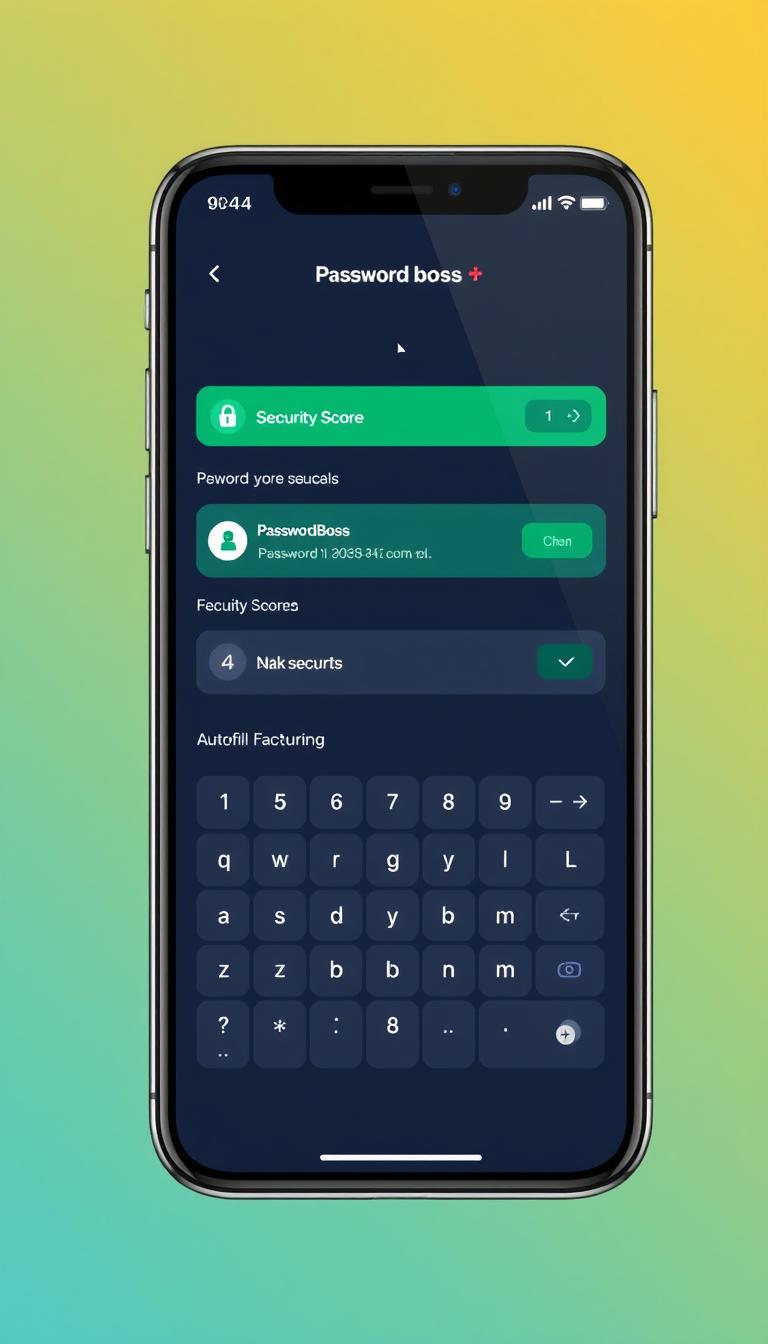
1Password justifies its higher cost through comprehensive security features, superior platform compatibility, advanced form-filling capabilities, and robust two-factor authentication support. You get data breach monitoring, passkey support, and a more polished user experience across all devices.

Consider mSecure if you need cost-effective password management with strong collaboration features. Choose 1Password if you want the most comprehensive security toolkit with premium features and broader platform support. Both deliver excellent security fundamentals—your decision comes down to feature requirements and budget considerations.

FAQs (Frequently Asked Questions)

What are the key differences between 1Password and mSecure in terms of security features?

1Password and mSecure both use strong encryption standards, with mSecure employing 256-bit AES encryption alongside a 46-character account key, while 1Password uses its own robust encryption approach. 1Password supports two-factor authentication (2FA) and data breach monitoring, enhancing security, whereas mSecure has limitations in these areas. Additionally, both apps support biometric unlock across platforms for convenient yet secure access.

Which platforms are compatible with 1Password and mSecure for password management?

Both 1Password and mSecure support a wide range of platforms including macOS, Windows, iOS, Android, and watchOS. They offer syncing capabilities that allow users to access their passwords anytime and anywhere. While mSecure uses its own cloud syncing solution, 1Password provides multiple sync options tailored to user preferences.

How do 1Password and mSecure compare in terms of user experience and interface design?

1Password offers an intuitive interface with advanced form-filling capabilities that streamline password management. In contrast, mSecure provides customizable templates and fields allowing users to store various types of sensitive data beyond passwords. Both apps prioritize ease of use but cater to slightly different user needs through their interface designs.

What advanced password management features do 1Password vs mSecure offer?

mSecure features a powerful password generator capable of creating passwords up to 40 characters long with an optional passphrase feature for added security. Meanwhile, 1Password boasts advanced generator features that include complex password creation tailored to different security requirements, making both suitable for enhancing your online security without compromising convenience.

Can I share passwords securely using 1Password or mSecure?

Yes, both apps offer collaboration and sharing capabilities. mSecure provides advanced vault-sharing options that allow multiple vaults with controlled access permissions, ideal for teams or families. 1Password also supports secure vault sharing, enabling safe teamwork while safeguarding sensitive information.

What should I consider regarding customer support and pricing when choosing between 1Password and mSecure in 2025?

When selecting a password manager, consider customer service quality and pricing structures. mSecure offers support primarily through a contact form with quick response times and has paid plans starting at $1.66 per month. 1Password provides comprehensive customer service options alongside varied pricing plans. Evaluating these factors alongside features will help determine the best fit for your needs in 2025.

1Password and LastPass

1Password and LastPass: Which Password Manager Should You Choose in 2024?

In today’s digital landscape, where the average person manages over 100 online accounts, using a password manager isn’t just convenient—it’s essential for security. 1Password vs LastPass stand as industry leaders, but choosing between them requires understanding their unique strengths and limitations. This comprehensive comparison examines their security features, pricing structures, user experience, and platform compatibility to help you make an informed decision based on your specific needs in 2024.

Security: How 1Password and LastPass Protect Your Data

When evaluating password managers, security should be your primary concern. Both 1Password and LastPass utilize AES-256 bit encryption (military-grade) to protect your data, but their security architectures differ in significant ways.

1Password and LastPass

Encryption Methods

Both services employ end-to-end encryption with a zero-knowledge architecture, meaning your data is encrypted before leaving your device, and the companies cannot access your unencrypted data.

1Password Security Features

  • AES-256 bit encryption with PBKDF2-HMAC-SHA512
  • Dual-factor encryption requires both the master password and the Secret Key
  • 650,000 PBKDF2 iterations (slows brute force attempts)
  • No significant data breaches in the company’s history
  • Regular third-party security audits
  • Travel Mode temporarily removes sensitive vaults when crossing borders

LastPass Security Features

  • AES-256 bit encryption with PBKDF2
  • Single-factor encryption using only a master password
  • 600,000 PBKDF2 iterations (updated after 2022 breach)
  • Multiple security incidents, including a major 2022 breach
  • Third-party security audits
  • Country restrictions feature to limit access by location

Breach History

1Password has maintained a clean security record with no significant breaches. LastPass, however, experienced a major security incident in 2022 when hackers gained access to customer vault data. While encrypted passwords remained protected, unencrypted metadata (including URLs, email addresses, and IP addresses) was exposed. LastPass has since improved its security measures, but this history remains an important consideration.

Breach History

1Password has maintained a clean security record with no significant breaches. LastPass, however, experienced a major security incident in 2022 when hackers gained access to customer vault data. While encrypted passwords remained protected, unencrypted metadata (including URLs, email addresses, and IP addresses) was exposed. LastPass has since improved its security measures, but this history remains an important consideration.

Prioritize Your Password Security Today

Both services offer free trials so you can test their security features firsthand.

Pricing: 1Password vs LastPass Cost Comparison (2024)

Cost is often a deciding factor when choosing a password manager. Both 1Password and LastPass offer tiered pricing structures for individuals, families, and businesses, with slight differences in their approach to free plans and billing options.

1Password and LastPass
Plan Type1PasswordLastPass
Free PlanNo free plan (14-day trial only)Limited free plan (single device type only)
Individual$2.99/month (billed annually at $35.88)
$3.99/month (billed monthly)
$3.00/month (billed annually at $36.00)
No monthly billing option
Family$4.99/month for 5 users (billed annually at $59.88)
$6.99/month (billed monthly)
$4.00/month for 6 users (billed annually at $48.00)
No monthly billing option
Teams$19.95/month for small teams
$7.99/user/month for businesses
$4.00/user/month for teams
$6.00/user/month for businesses
EnterpriseCustom pricingCustom pricing

Key Pricing Differences

1Password Pricing Highlights

  • No free tier (14-day trial only)
  • Offers both monthly and annual billing options
  • Family plan supports 5 users
  • Includes 1GB secure document storage
  • All plans include unlimited passwords and devices

1Password Pricing Pros

  • Flexible monthly billing option
  • Slightly lower individual plan cost
  • No upselling or feature limitations

1Password Pricing Cons

  • No free tier
  • Family plan costs more than LastPass
  • One fewer user in the family plan

LastPass Pricing Highlights

  • Limited free tier (single device type only)
  • Annual billing only (no monthly option)
  • Family plan supports 6 users
  • Includes 1GB secure document storage
  • All paid plans include unlimited passwords and devices

LastPass Pricing Pros

  • Free tier available (limited)
  • More affordable family plan
  • Six users in family plan (vs. five)

LastPass Pricing Cons

  • No monthly billing option
  • Free plan limited to one device type
  • Slightly higher individual plan cost

User Experience: Interface, Ease of Use, and Form Filling

The best password manager is one you’ll actually use. Both 1Password and LastPass offer intuitive interfaces, but there are notable differences in their approach to user experience across platforms.

Browser Extensions

Browser extensions are the primary way most users interact with their password managers. Both services support major browsers including Chrome, Firefox, Safari, and Edge.

1Password Browser Experience

  • Clean, minimalist interface
  • Requires desktop app for full functionality on Safari
  • Quick Access feature for fast password retrieval
  • Universal keyboard shortcut (Ctrl+Shift+Space)
  • Watchtower security alerts integrated in extension

LastPass Browser Experience

  • Feature-rich interface with more options
  • Works independently without desktop app
  • In-field icons for quick access
  • No universal keyboard shortcut
  • Security Dashboard accessible from extension

Mobile Apps (iOS/Android)

Mobile password management is increasingly important as more users access services primarily through smartphones and tablets.

1Password Mobile Experience

  • Biometric authentication (Face ID/Touch ID/fingerprint)
  • Integrated keyboard for autofill
  • Offline access to passwords
  • Watch app for Apple Watch users
  • Clean, intuitive mobile interface

LastPass Mobile Experience

  • Biometric authentication (Face ID/Touch ID/fingerprint)
  • Integrated keyboard for autofill
  • Offline access to passwords
  • Emergency access feature
  • Feature-rich mobile interface

Auto-Fill Capabilities

The ability to automatically fill login credentials, payment information, and addresses is a core functionality of any password manager.

1Password Auto-Fill

  • Straightforward form filling
  • Multiple identities for different contexts
  • Credit card and address information
  • Works with most form types
  • CAPTCHA bypass capability

LastPass Auto-Fill

  • Visual indicators in form fields
  • Multiple identities and profiles
  • Credit card and address information
  • Sometimes requires manual selection with multiple accounts
  • Occasionally struggles with complex forms

Experience the Difference Yourself

The best way to evaluate user experience is to try both services with your own workflows.

Cross-Platform Support: Availability Across Devices

In today’s multi-device world, a password manager must work seamlessly across all your devices and operating systems. Both 1Password and LastPass offer broad platform support, but with some key differences in their approach.

1Password vs LastPass
WindowsFull native app + browser extensionsBrowser extensions only (no native app)
macOSFull native app + browser extensionsLimited app (Safari extension installer) + browser extensions
LinuxFull native app + browser extensionsBrowser extensions only
iOSFull-featured app with keyboard integrationFull-featured app with keyboard integration
AndroidFull-featured app with autofill supportFull-featured app with autofill support
Chrome OSBrowser-based appBrowser extensions
Command LineCLI tool for Windows, Mac, LinuxNo official CLI tool
Browser SupportChrome, Firefox, Safari, Edge, BraveChrome, Firefox, Safari, Edge, Opera

Key Platform Differences

The most significant difference between the two services is 1Password’s approach to desktop applications versus LastPass’s browser-centric strategy:

1Password Platform Approach

  • Native desktop applications for Windows, Mac, and Linux
  • Offline access to passwords via desktop apps
  • Universal keyboard shortcuts across platforms
  • Command-line interface for power users
  • Consistent experience across all platforms

LastPass Platform Approach

  • Browser-centric with limited desktop applications
  • Offline access primarily through mobile apps
  • Platform-specific features and limitations
  • No official command-line interface
  • Experience varies slightly across platforms

Real-World Use Cases

Best for Families

LastPass Family Plan offers slightly better value with support for 6 users compared to 1Password’s 5-user limit. The family dashboard makes it easy to manage shared passwords and monitor security.

  • 6 individual vaults
  • Unlimited shared folders
  • Family dashboard
  • Emergency access

Best for Power Users

1Password excels for technical users who appreciate its command-line interface, native desktop apps, and advanced security features like Travel Mode and Watchtower.

  • Native desktop applications
  • Command-line interface
  • Travel Mode for border crossings
  • Advanced Watchtower monitoring

Best for Enterprise Teams

1Password Business provides robust admin controls, directory integration, and advanced reporting that make it ideal for enterprise environments with strict security requirements.

  • Activity logs and usage reports
  • Custom roles and permissions
  • Directory integration
  • Automated provisioning

Additional Features: Beyond Password Management

Modern password managers offer functionality beyond simply storing passwords. Both 1Password and LastPass include additional security features that enhance their value proposition.

Security Monitoring

1Password Watchtower

  • Monitors for compromised websites and passwords
  • Identifies weak, reused, and old passwords
  • Checks for unsecured websites (HTTP vs HTTPS)
  • Alerts for compromised credit cards
  • Identifies passwords without two-factor authentication

LastPass Security Dashboard

  • Dark web monitoring for compromised accounts
  • Password strength analysis
  • Security score with improvement recommendations
  • Identifies weak and reused passwords
  • Monitors for compromised passwords

Two-Factor Authentication

Both services support various two-factor authentication methods to add an extra layer of security to your password vault.

1Password 2FA Options

  • Built-in TOTP authenticator for other services
  • Biometric authentication (Face ID/Touch ID/fingerprint)
  • Security key support (YubiKey, etc.)
  • Authenticator app support for 1Password account
  • Passkey support (beta)

LastPass 2FA Options

  • Built-in TOTP authenticator for other services
  • Biometric authentication (Face ID/Touch ID/fingerprint)
  • Security key support (YubiKey, etc.) on premium plans
  • Authenticator app support
  • Grid authentication backup

Secure Document Storage

Both services offer secure storage for sensitive documents and information beyond passwords.

1Password Secure Storage

  • 1GB encrypted file storage
  • Secure notes with rich text formatting
  • Custom fields and templates
  • Document attachments
  • Secure sharing of stored items

LastPass Secure Storage

  • 1GB encrypted file storage
  • Secure notes with attachments
  • Custom form fields
  • Document attachments
  • Secure sharing of stored items

2024 Market Share and User Statistics

Understanding the market position of these password managers provides context for their development priorities and long-term viability.

1Password Market Position

  • Over 100,000 business customers worldwide
  • Approximately 15 million individual users
  • Strong presence in enterprise and tech sectors
  • 25% year-over-year growth in business customers
  • Valued at $6.8 billion in 2022 funding round

LastPass Market Position

  • Over 33 million registered users
  • Approximately 100,000 business customers
  • Strong presence in consumer market
  • Recovering from user exodus following 2022 breach
  • Owned by GoTo (formerly LogMeIn)

Final Verdict: Which Password Manager Should You Choose?

After comprehensive testing and analysis of both 1Password and LastPass, we can offer recommendations based on different user needs and priorities.

Choose 1Password If:

  • Security is your top priority – 1Password’s clean security record and dual-factor encryption provide superior protection.
  • You value native desktop apps – 1Password offers full-featured applications across Windows, Mac, and Linux.
  • You’re a power user – Command-line interface, Travel Mode, and advanced features cater to technical users.
  • You prefer monthly billing – 1Password offers both monthly and annual payment options.
  • You’re concerned about LastPass’s breach history – 1Password has maintained a clean security record.

Choose LastPass If:

  • Budget is a primary concern – LastPass offers a limited free tier and more affordable family plan.
  • You need a family plan for 6+ users – LastPass Families supports 6 users vs. 1Password’s 5.
  • You prefer a browser-centric approach – LastPass focuses on browser extensions rather than desktop apps.
  • You value emergency access features – LastPass offers more robust emergency access options.
  • You’re already invested in the LastPass ecosystem – The security improvements since the 2022 breach may be sufficient.

For most users in 2024, 1Password offers the best combination of security, usability, and features. Its clean security record and dual-factor encryption provide peace of mind, while its polished apps deliver an excellent user experience across all platforms.

Our Expert Recommendation

Ready to Secure Your Passwords?

Both services offer free trials so you can test them with your own workflow before committing.

Is 1Password or LastPass more secure?

1Password offers stronger security overall with its dual-factor encryption (requiring both master password and Secret Key), clean security record, and 650,000 PBKDF2 iterations. LastPass has improved its security since the 2022 breach but still relies solely on the master password for encryption and has a history of security incidents.

Can I switch from LastPass to 1Password easily?

Yes, 1Password offers a straightforward import process for LastPass data. You can export your LastPass vault as a CSV file and import it directly into 1Password. The process transfers your logins, secure notes, and other data while maintaining your folder organization.

Which password manager is better for families?

LastPass Families offers slightly better value with support for 6 users at $48/year, compared to 1Password Families which supports 5 users at $59.88/year. Both offer shared vaults, individual private vaults, and family management features.

. . . . . . . . . . . . . . . . . . . . . . . . . . . . . . . . . . . . . . . . . . . . . . . . . . . . . . . . . . . . . . . . . . . . . . . . . . . . . . . . . . . . . . . . . . . . . . . . . . . . . . . . . . . .

1Password and Proton Pass

1Password and Proton Pass: Which Password Manager to Choose?

In today’s digital landscape, a reliable password manager is essential for protecting your online accounts. 1Password and Proton Pass represent two leading solutions, each with distinct approaches to security, privacy, and user experience. 1Password has built a reputation as a feature-rich, polished password manager since 2006, while Proton Pass, launched in 2023, leverages Proton’s privacy-focused ecosystem. This comparison will help you determine which password manager best aligns with your specific security needs and preferences.

1Password vs Proton Pass: Quick Comparison

Both 1Password and Proton Pass offer robust password management solutions with strong encryption, cross-platform compatibility, and essential features like password generation and autofill. However, they differ significantly in their approach to privacy, pricing models, and unique features that may influence your decision.

Feature1PasswordProton Pass
Free Version14-day trial onlyYes, with unlimited passwords
Starting Price$2.99/month (annual billing)$1.99/month (annual billing)
Family Plan$4.99/month for 5 users$4.99/month for 6 users
EncryptionAES-256 + Secret KeyAES-256
Open SourceNoYes
Email AliasesNoYes (10 free, unlimited paid)
Travel ModeYesNo

Security Architecture and Privacy

1Password vs Proton Pass security architecture visualization showing encryption methods

Encryption Methods

Both 1Password and Proton Pass utilize industry-standard AES-256 encryption to protect your stored passwords and sensitive information. This encryption standard is virtually unbreakable with current technology, ensuring your data remains secure from unauthorized access.

1Password implements an additional security layer through its unique Secret Key system. This 34-character key is generated when you create your account and combines with your master password to encrypt your data. Even if 1Password’s servers were compromised, attackers would need both your master password and Secret Key to access your information.

Proton Pass leverages the same end-to-end encryption technology used across the Proton ecosystem. All cryptographic operations occur locally on your device, ensuring that Proton never has access to your unencrypted data or master password.

Zero-Knowledge Architecture

Both password managers employ zero-knowledge protocols, meaning the companies cannot access your stored passwords or sensitive information. Your data is encrypted and decrypted locally on your device, with only encrypted data transmitted to and stored on their servers.

Enhanced Security with 1Password

1Password’s unique Secret Key provides an additional layer of protection that prevents even 1Password from accessing your data, even in the event of a server breach.

Open-Source Status

A significant difference between these password managers is their approach to code transparency. Proton Pass is fully open-source, allowing independent security researchers to verify its security implementation and identify potential vulnerabilities. This transparency provides additional assurance that the software functions as advertised without hidden backdoors.

1Password, while regularly audited by third-party security firms, maintains a closed-source codebase. While this doesn’t necessarily indicate security concerns, users who prioritize code transparency may prefer Proton Pass’s open approach.

Privacy Considerations

Proton Pass is developed by Proton AG, a Swiss company known for its privacy-focused services. Switzerland’s strong privacy laws provide additional legal protection for your data. Proton’s privacy policy explicitly minimizes data collection and emphasizes user privacy.

1Password is based in Canada, which is part of the Five Eyes intelligence alliance. While 1Password’s zero-knowledge architecture and Secret Key system ensure your encrypted data remains secure, privacy-conscious users may prefer Proton’s Swiss jurisdiction.

Key Features Comparison

1Password vs Proton Pass feature comparison showing password generation and autofill interfaces

Password Generation and Management

Both 1Password and Proton Pass offer robust password generators that create strong, unique passwords. 1Password provides slightly more customization options, including the ability to generate PINs and passphrases with adjustable word counts and separators. Proton Pass offers similar functionality with options for random passwords or memorable passphrases.

For vault organization, 1Password provides a more mature system with customizable categories, tags, and favorites for quick access. Proton Pass offers a simpler but effective organization system that continues to evolve with regular updates.

Autofill Capabilities

Both password managers provide autofill functionality across major browsers and platforms. 1Password’s implementation is more refined, with consistent performance across devices and the ability to fill complex forms, including payment information. Proton Pass’s autofill works well for basic credentials but occasionally requires manual intervention for new accounts or complex forms.

1Password Autofill

  • Seamless form filling across platforms
  • Credit card and identity information autofill
  • Consistent performance across browsers
  • Intuitive browser extension interface

Proton Pass Autofill

  • Basic credential autofill functionality
  • Credit card autofill in development
  • User-initiated autofill for enhanced security
  • Improving with regular updates

Password Sharing and Emergency Access

Both password managers offer secure password sharing capabilities. 1Password allows sharing individual items or entire vaults with family members or team members. Its sharing links don’t require recipients to have a 1Password account, making it convenient for occasional sharing.

Proton Pass provides two sharing methods: generating secure links with optional expiration dates or sharing entire vaults with other Proton users. While slightly less flexible than 1Password, Proton Pass’s sharing features prioritize security and are adequate for most users.

Two-Factor Authentication (2FA)

Both 1Password and Proton Pass support two-factor authentication to protect your password vault. 1Password works with authentication apps like Authy or Google Authenticator. Proton Pass supports both authentication apps and physical security keys like YubiKey, providing an additional security option not available with 1Password.

Additionally, both services can function as authenticator apps themselves, generating time-based one-time passwords (TOTP) for your other online accounts that support 2FA.

Privacy-First Password Management

Proton Pass combines robust password management with privacy features like email aliases and open-source security, all backed by Swiss privacy laws.

Unique Selling Points

1Password Travel Mode and Proton Pass email aliases features highlighted

1Password’s Standout Features

1Password offers several unique features that set it apart from Proton Pass:

Travel Mode

1Password’s Travel Mode allows you to temporarily remove sensitive vaults from your devices when crossing borders or traveling in high-risk areas. This feature helps protect your data from border searches or device confiscation, with vaults automatically restoring when you turn Travel Mode off.

Watchtower

The Watchtower feature monitors your passwords for security vulnerabilities, including weak or reused passwords, compromised websites, and unsecured websites. It provides a comprehensive security score and actionable recommendations to improve your overall password security.

Secret Key

1Password’s Secret Key provides an additional layer of security beyond your master password. This unique 34-character key is required alongside your master password to access your vault on new devices, protecting against brute force attacks and server breaches.

Proton Pass’s Standout Features

Proton Pass offers several unique advantages that may appeal to privacy-conscious users:

Email Aliases

Proton Pass includes email alias functionality, allowing you to create unique email addresses for different services without revealing your primary email. This feature helps reduce spam, protect your identity, and track which services might be selling your information. Free users get 10 aliases, while paid users get unlimited aliases.

Proton Ecosystem Integration

Proton Pass integrates seamlessly with other Proton services, including Proton Mail, Proton Calendar, and Proton Drive. Users can access all services with a single account, creating a comprehensive privacy-focused digital ecosystem.

Open-Source Security

Proton Pass’s open-source approach allows independent verification of its security implementation. This transparency builds trust and enables community contributions to identify and fix potential vulnerabilities.

1Password Advantages

  • More mature, polished user experience
  • Travel Mode for secure border crossings
  • Comprehensive Watchtower security monitoring
  • Additional Secret Key protection layer
  • More refined autofill capabilities

Proton Pass Advantages

  • Free tier with unlimited passwords
  • Email alias functionality
  • Open-source transparency
  • Swiss privacy protection
  • Integration with Proton ecosystem

Pricing Models Comparison

1Password vs Proton Pass pricing plans comparison chart

Free Options

The most significant pricing difference between these password managers is their approach to free users. Proton Pass offers a fully-featured free tier that includes unlimited passwords, 10 email aliases, and synchronization across unlimited devices. This makes it an excellent option for users on a budget.

1Password does not offer a permanent free option, instead providing a 14-day free trial. After the trial period, users must subscribe to continue using the service.

Individual and Family Plans

For individual users, 1Password charges $2.99/month with annual billing ($35.88/year). Proton Pass Plus is slightly more affordable at $1.99/month with annual billing ($23.88/year), offering a better value for budget-conscious users.

Family plans are similarly priced, with 1Password charging $4.99/month for up to 5 users and Proton Pass charging the same $4.99/month for up to 6 users. Proton Pass provides slightly better value by supporting an additional user.

Business Options

Both password managers offer business plans for teams and enterprises. 1Password’s Teams Starter Pack supports up to 10 users, while its Business plan ($7.99/user/month) supports unlimited users with additional features like SSO integration and advanced reporting.

Proton Pass offers more affordable business options, with its Essentials plan starting at $1.99/user/month (annual billing) and its Professional plan at $4.49/user/month. This significant price difference makes Proton Pass more attractive for cost-conscious businesses.

Best Value for Families

1Password’s Family plan offers a polished experience with sharing controls and emergency access for up to 5 users at $4.99/month.

Bundled Services

Proton offers a unique Unlimited plan ($9.99/month) that bundles Proton Pass with other Proton services, including Proton Mail, Proton Calendar, Proton Drive, and Proton VPN. This comprehensive package provides excellent value for users who need multiple privacy-focused services.

User Experience and Interface

1Password vs Proton Pass user interfaces on desktop and mobile

Desktop Experience

1Password offers a polished, intuitive desktop experience across Windows, macOS, and Linux. Its interface features clear organization, customizable categories, and efficient navigation. The desktop app provides comprehensive functionality, including password importing/exporting and advanced security features.

Proton Pass’s desktop app has a similar layout but feels slightly less refined, which is understandable given its newer status. The interface is clean and functional, with essential features easily accessible, though some advanced options require more navigation compared to 1Password.

Mobile Experience

Both password managers offer mobile apps for iOS and Android that maintain core functionality. 1Password’s mobile experience closely mirrors its desktop interface, with thoughtful adaptations for smaller screens and touch controls. Its autofill integration with mobile browsers and apps is particularly seamless.
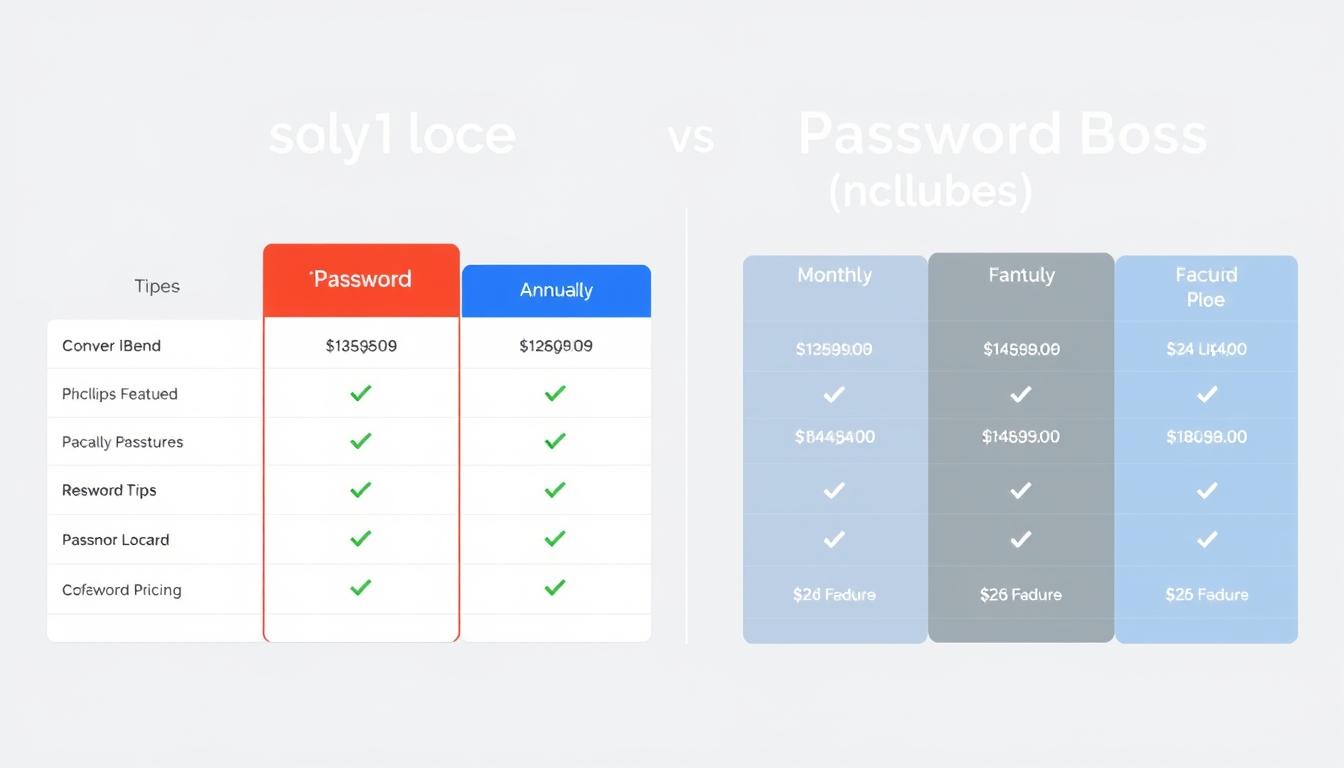
Proton Pass’s mobile app is well-designed and actually feels more polished than its desktop counterpart in some ways. The minimalist approach works well on smaller screens, though it lacks some customization options available in 1Password.

1Password vs Proton Pass mobile app interfaces showing password vault and autofill

Browser Extensions

Both password managers offer browser extensions for major browsers including Chrome, Firefox, Safari, and Edge. 1Password’s extension provides a comprehensive mini-version of the desktop app, with quick access to all essential functions and smooth autofill capabilities.

Proton Pass’s browser extension offers similar functionality in a compact interface. While it handles basic password management effectively, its autofill capabilities occasionally require more manual intervention compared to 1Password’s more mature implementation.

Ease of Setup and Migration

Both services offer straightforward setup processes and password importing from browsers and other password managers. 1Password provides more comprehensive import options, supporting a wider range of file formats and sources. Its password migration tools are more refined, making the transition from other services smoother.

Proton Pass offers adequate import functionality but with fewer source options. The process is straightforward but may require additional steps when migrating from less common password managers.

Best For Specific Use Cases

Different user personas choosing between 1Password and Proton Pass

Best for Privacy-Focused Users

Privacy-focused user with Proton Pass interface showing privacy features

Recommendation: Proton Pass

Proton Pass’s open-source approach, Swiss jurisdiction, and integration with other privacy-focused Proton services make it ideal for users who prioritize privacy and data sovereignty.

Best for Families

Family sharing passwords securely with 1Password's family plan

Recommendation: 1Password

1Password’s refined sharing controls, emergency access features, and polished cross-platform experience make it the better choice for families managing shared accounts and passwords.

Best for Business Users

Business team using password management with administrative controls

Recommendation: 1Password

1Password’s mature administrative controls, detailed security reports, and seamless cross-platform experience make it better suited for business environments, despite its higher cost.

Best for Budget Users

Budget-conscious user with Proton Pass free tier

Recommendation: Proton Pass

Proton Pass’s fully-featured free tier and lower-priced premium options make it the clear choice for budget-conscious users who don’t want to compromise on security.

Best for Travelers

International traveler using 1Password's Travel Mode at border crossing

Recommendation: 1Password

1Password’s unique Travel Mode feature provides essential protection for international travelers, allowing temporary removal of sensitive data when crossing borders or visiting high-risk areas.

Best for Privacy Ecosystem

User with complete Proton privacy ecosystem including Pass, Mail, and VPN

Recommendation: Proton Pass

For users already invested in Proton’s privacy-focused ecosystem (Mail, Calendar, VPN), Proton Pass provides seamless integration and unified account management.

Final Verdict: Which Password Manager Should You Choose?

1Password vs Proton Pass final comparison with key decision factors highlighted

Both 1Password and Proton Pass offer excellent password management solutions with strong security foundations. Your choice should ultimately depend on your specific needs and priorities:

Choose 1Password if:

  • You want a mature, polished user experience with refined features
  • You travel internationally and need Travel Mode protection
  • You require comprehensive security monitoring through Watchtower
  • You need advanced family sharing and emergency access features
  • You prefer a more established service with a longer track record

Choose Proton Pass if:

  • You want a free password manager with unlimited passwords
  • You prioritize privacy and prefer Swiss jurisdiction
  • You need email alias functionality to protect your identity
  • You value open-source transparency and verification
  • You use other Proton services and want ecosystem integration

For most users seeking a comprehensive, refined password management experience with advanced features, 1Password remains the top recommendation despite its subscription-only model. Its polished interface, mature feature set, and unique security features like Travel Mode and Secret Key provide exceptional value.

For privacy-focused users, those on a budget, or those already using other Proton services, Proton Pass offers a compelling alternative with its free tier, open-source approach, and Swiss privacy protection. While newer and still evolving, it provides all essential password management functionality with a strong privacy focus.

Ready to Secure Your Passwords?

Both services offer excellent security features to protect your online accounts. Choose the one that best matches your specific needs and preferences.

Can I transfer my passwords from 1Password to Proton Pass?

Yes, you can export your passwords from 1Password and import them into Proton Pass. 1Password allows exporting your data in CSV format using the desktop app. Proton Pass supports importing from various password managers, including 1Password, through its desktop app, web app, or browser extension.

Do both password managers support passkeys?

Yes, both 1Password and Proton Pass support passkeys, the emerging passwordless authentication standard. This allows you to use biometric authentication (like fingerprints or facial recognition) instead of traditional passwords for supported websites and services.

Which password manager is more secure?

Both 1Password and Proton Pass provide excellent security with AES-256 encryption and zero-knowledge architecture. 1Password adds an extra layer with its Secret Key system, while Proton Pass offers open-source transparency. Both approaches are highly secure, with the difference being philosophical rather than practical for most users.

. . . . . . . . . . . . . . . . . . . . . . . . . . . . . . . . . . . . . . . . . . . . . . . . . . . . . . . . . . . . . . . . . . . . . . . . . . . . . . . . . . . . . . . . . . . . . . . . . . . . . . . . . . . .

1Password and Meditation

Comparing 1Password and Meditation: Which Should Be Right for You?

In today’s world, keeping your digital life safe and your mind calm is key. A password manager like 1Password can boost your online securityMeditation, on the other hand, helps you deal with life’s stress.

When thinking about protecting your digital self and your mental health, you might ask how these tools compare. This article will look at 1Password’s role in digital security and meditation’s benefits for your mind. We’ll help you choose what’s best for you.

Key Takeaways

  • Understand the importance of digital security in today’s online world.
  • Learn how 1Password can enhance your online protection.
  • Discover the benefits of meditation for mental wellness.
  • Compare the unique advantages of 1Password and meditation.
  • Determine which tool aligns better with your personal needs.

Table of Contents

Understanding the Basics: What Are 1Password and Meditation?

In today’s world, knowing about 1Password and meditation is key for a good life. They help with digital safety and mental health. It’s important to understand what they are and how they can help you.

What is 1Password?

1Password is a top password manager that keeps your online identity safe. It makes and stores strong, unique passwords for you. This way, you can strengthen your cybersecurity on different devices and sites.

With 1Password, you don’t have to remember many passwords. It keeps them safe in an encrypted vault. It also has features like password making, secure notes, and filling out forms. This makes it a great tool for keeping your digital life secure.

Key FeaturesDescription
Password GenerationCreates unique, complex passwords for each account
Secure StorageStores passwords and secure notes in an encrypted vault
Form FillingAutomatically fills in forms with saved information

What is Meditation?

Meditation is a way to train your mind to focus and relax. It makes you more aware of your thoughts and feelings. Regular meditation can make you clearer in your mind, less stressed, and happier overall.

Meditation has many types, like focused attention and loving-kindness. Starting meditation can help you manage your emotions better, focus more, and understand yourself deeper.

  • Reduces stress and anxiety
  • Improves mental clarity and focus
  • Enhances emotional regulation
  • Promotes overall wellbeing

The Purpose Behind Each: Security vs. Serenity

Understanding the purpose of 1Password and meditation can help you in modern life. They both aim to improve your life quality but in different ways. 1Password focuses on digital security, while meditation targets mental wellbeing.

1Password’s Core Purpose: Digital Security

1Password is all about password protection and digital security. It creates and stores strong, unique passwords. This keeps your online identity safe from hackers.

It has top-notch security tools like encryption and two-factor authentication. These features keep your digital world safe.

Digital security is vital today. With more online threats, using 1Password is key to protecting yourself. Here’s a look at some key security features:

Security Feature1PasswordOther Password Managers
EncryptionEnd-to-end encryptionVaries
Two-factor AuthenticationSupportedSupported
Password GenerationRandom, unique passwordsRandom, unique passwords

Meditation’s Core Purpose: Mental Wellbeing

meditation for mental wellbeing

and stress reduction are meditation’s goals. It uses relaxation techniques to bring calm and clear thinking. Regular practice lowers stress and boosts mental health.

Meditation offers many benefits, including:

  • Reduced stress and anxiety
  • Improved mental clarity and focus
  • Enhanced emotional regulation

Adding meditation to your day can lead to these advantages. It’s a great way to enhance your mental wellbeing.

Key Features of 1Password

1Password is more than a password manager. It’s a full cybersecurity solution. It protects your digital identity and makes your online life simpler.

Password Management Capabilities

At its core, 1Password is a top-notch password manager. It creates and keeps unique, complex passwords for all your online accounts. This boosts your online security and gets rid of the need to remember many login details.

With 1Password, you can safely store passwords, credit card info, and other sensitive data in one place. This makes it easy to get the info you need while keeping it safe from unauthorized access.

Security Features and Encryption

1Password focuses on cybersecurity with its strong security features and advanced encryption. It uses end-to-end encryption. This means your data is encrypted on your device before it’s sent to 1Password’s servers. This makes it very hard for hackers to get your information.

1Password Security Features

Cross-Platform Functionality

One of 1Password’s best features is how well it works across different devices and browsers. It offers digital organization on the go. Whether you’re using a desktop, laptop, smartphone, or tablet, 1Password makes sure your passwords and secure info are always there and up-to-date.

Additional Tools: Form Filling and Secure Notes

1Password also has tools to make your digital life better. Its form-filling feature fills out web forms with your saved info. This saves time and reduces data entry errors. Plus, the secure notes feature lets you store sensitive info that doesn’t fit into other categories. This boosts your digital organization even more.

FeatureDescriptionBenefit
Password ManagementGenerates and stores unique, complex passwordsEnhanced online security
Security FeaturesEnd-to-end encryption and advanced security measuresRobust cybersecurity
Cross-Platform FunctionalitySeamless integration across devices and browsersConvenient digital organization
Form Filling and Secure NotesAutomates web form filling and stores sensitive informationTime-saving and enhanced security

Key Aspects of Meditation Practice

Meditation is a way to find peace and focus. It offers many techniques and benefits. It’s a key tool for improving mental health and finding inner peace.

Types of Meditation Techniques

Meditation isn’t the same for everyone. It has many techniques, each with its own benefits. Here are some popular ones:

  • Mindfulness Meditation: Helps you stay in the moment, noticing thoughts and feelings without judgment.
  • Transcendental Meditation: Uses a mantra to calm the mind and reach a deeper state.
  • Loving-Kindness Meditation: Builds love, compassion, and kindness for yourself and others.
  • Movement Meditation: Mixes physical activity with a meditative state, like yoga or tai chi.

Time Investment and Consistency

Being consistent with meditation is key. Even a short daily practice is better than a long one that’s not regular. Regular practice boosts mindfulness and lowers stress.

Tools and Resources for Meditation

There are many tools and resources for meditation. Here are a few:

  • Meditation Apps: Apps like Headspace and Calm offer guided meditations and tracking.
  • Online Courses and Classes: Provide structured learning and community support.
  • Local Meditation Groups: Offer a group experience and guidance from experts.

Measuring Progress in Meditation

There are many ways to see how meditation is working. You might notice less stress, better focus, and better emotional control. Keeping a journal or using an app can help track your progress.

meditation practice

Benefits of Using 1Password

In today’s digital world, keeping your online presence safe is key. 1Password provides a top-notch solution. It boosts your digital security, makes online tasks simpler, and offers many benefits for managing your digital life.

Enhanced Online Security

1Password creates and keeps unique, strong passwords for all your online accounts. This keeps you safe from cyber threats. Even if one account gets hacked, your others stay protected. Enhanced online security comes from top-notch encryption and safe storage.

  • Generates complex, unique passwords
  • Protects against cyber threats and data breaches
  • Utilizes advanced encryption for secure storage

Time-Saving and Convenience

1Password saves you time by filling in login details and keeping sensitive info safe. This makes online life easier, without the stress of remembering many passwords. Time-saving features like form filling and secure notes help manage your digital identity.

It also saves time by creating and storing unique, complex passwords. This means you don’t have to remember many login details.

Peace of Mind in Digital Life

1Password gives you peace of mind by protecting your digital identity. With strong security, you can safely do online activities without fear of data loss.

“Using 1Password has given me the confidence to manage my digital life securely. I no longer worry about my passwords being compromised.”

Family and Team Sharing Capabilities

1Password lets you share passwords safely with family or team members. This makes teamwork and shared account management easier. It’s great for businesses and families who need to share access without risking security.

1Password digital security

Benefits of Regular Meditation

Regular meditation brings many benefits that improve your well-being. It’s a powerful tool for better mental and emotional health.

Meditation reduces stress and boosts mental clarity. You’ll find it easier to handle stress and stay focused with regular practice.

Stress Reduction and Mental Clarity

Meditation lowers stress by calming the mind. It improves mental clarity, making daily tasks easier.

Key benefits of stress reduction through meditation include:

  • Lower cortisol levels
  • Improved mood
  • Enhanced overall well-being

Improved Focus and Productivity

Meditation enhances focus and productivity. It trains your mind to stay present, helping you complete tasks more efficiently.

Meditation’s impact on focus and productivity can be seen in:

  • Increased concentration
  • Better time management
  • Enhanced creativity

Long-term Health Benefits

Meditation offers long-term health benefits. It can lower blood pressure, improve sleep, and strengthen the immune system.

Health BenefitDescription
Reduced Blood PressureMeditation helps lower blood pressure, reducing the risk of heart disease.
Improved SleepRegular meditation can lead to better sleep quality and duration.
Stronger Immune SystemMeditation has been shown to boost the immune system, helping you stay healthy.

Enhanced Emotional Regulation

Meditation improves emotional regulation. It makes it easier to manage emotions and handle challenging situations.

Regular practice makes you more aware of your emotions. This leads to better relationships and overall well-being.

1Password vs Meditation: Comparing Time Investment

Investing time in 1Password or meditation requires understanding the initial effort and long-term gains. It’s important to look at the time needed for setup and use, as well as the learning curve and challenges.

Setting Up and Using 1Password

Setting up 1Password is easy. You start with a master password, then install the app on your devices, and add your passwords. 1Password’s interface is user-friendly, making it simple to manage your passwords and keep your digital life safe. Using 1Password saves time by avoiding the need to remember many passwords or reset them.

Learning Curve for New Users

The learning curve for 1Password is low, even for those new to password managers. New users can learn the basics and start securing their passwords in minutes. As you get more comfortable, you can explore features like secure notes and form filling.

Establishing a Meditation Practice

Starting a meditation practice needs a commitment. You must set aside time each day for meditation, starting with short sessions. Consistency is key to seeing meditation’s benefits, like less stress and better focus. Guided meditation resources can help you begin and stay on track.

As quoted by

“Meditation is not a way of making your mind quiet. It is a way of entering into the quiet that is already there – surrounded by the storm.” 

John Kabat-Zinn

meditation is a journey that requires patience and persistence.

Overcoming Initial Meditation Challenges

At first, you might struggle with a restless mind or finding a quiet place to meditate. But with regular practice, you can beat these challenges and build a strong meditation habit. Start by adding meditation to your daily routine, like right after waking up or before bed.

Cost Analysis: 1Password Subscription vs. Meditation Resources

When deciding between 1Password and meditation, knowing their costs is key. This breakdown will show you which is more valuable for your needs.

1Password Pricing Plans

1Password has plans for everyone. There are personal and family options, each with different features and prices. The personal plan is $3.59 per month if you pay yearly. The family plan is $4.99 per month yearly, covering up to six users.

These plans include password management, secure notes, and work on all devices. The personal plan is great for one person. The family plan is perfect for families.

Return on Investment for Digital Security

1Password is a smart investment for your digital safety. It helps prevent identity theft and cyber attacks, saving you money. A data breach can cost $100 to $1,000 or more. But 1Password is much cheaper, making it a smart choice for security.

Meditation Apps and Classes: Free vs. Paid Options

Meditation apps like Headspace and Calm offer free and paid services. Paid plans cost $10 to $15 per month. Some apps also have one-time or yearly subscriptions. Meditation classes cost $10 to $20 per session, depending on the place and teacher.

Value Assessment of Meditation Resources

Think about what meditation resources offer, like less stress and clearer mind. Some are free, but others cost money. Weighing costs against benefits helps find the best value for you.

Here’s a cost comparison table:

ServiceCostFeatures
1Password Personal$3.59/month (billed annually)Password management, secure notes, cross-platform functionality
1Password Family$4.99/month (billed annually)Password management for up to 6 users, secure notes, cross-platform functionality
Meditation Apps (e.g., Headspace, Calm)$10-$15/monthGuided meditation, mindfulness exercises, sleep stories
Meditation Classes$10-$20 per sessionGuided meditation, instructor feedback, community support

Who Should Choose 1Password?

If you’re having trouble with passwords or keeping your digital life safe, 1Password could help. It’s a strong password manager that makes your online life easier and keeps your digital identity safe.

It’s great for people and businesses with lots of online accounts. For example, if you have many online subscriptions or a business with lots of employees needing access to different digital tools, 1Password is perfect.

Ideal Users and Use Cases

1Password is ideal for those who need to keep many passwords safe, such as:

  • Professionals with many online accounts
  • Businesses with multiple employees
  • Individuals with numerous online subscriptions

These users can benefit from 1Password’s ability to create and store unique, complex passwords.

When Digital Security Takes Priority

In today’s digital world, cybersecurity is very important. If you worry about data breaches or online threats, 1Password can protect you. It has advanced security like encryption and two-factor authentication to keep your digital life safe.

Integrating 1Password Into Your Digital Routine

To get the most from 1Password, you should make it part of your daily routine. Start by:

  • Installing the 1Password browser extension
  • Using 1Password to generate and fill passwords
  • Syncing your passwords across all devices

This way, you’ll improve your digital security and make your online life simpler.

Who Should Prioritize Meditation?

Meditation is a great way to clear your mind and find balance in a busy world. It’s important to know who can get the most out of it.

Ideal Practitioners and Scenarios

People under a lot of stress or anxiety can really benefit from meditation. If you’re going through tough times or feeling too much, meditation can help. It’s also good for those who want to stay focused and productive, like students and workers.

When Mental Wellbeing Takes Priority

In today’s fast world, taking care of your mind is key. Meditation is a must when you’re feeling emotional turmoil or having trouble with your mental health. It helps you manage your feelings and find a more peaceful state of mind.

Incorporating Meditation Into Your Daily Life

To make meditation a daily habit, start with short sessions and grow them as you get used to it. You can use apps or just focus on your breath. Being consistent is important, so try to meditate at the same time every day.

Conclusion: Finding Balance Between Digital Security and Mental Wellness

Modern life is complex, and finding balance is key. You need to protect your digital life and take care of your mental health. The debate between 1Password and meditation shows the importance of both digital security and mental wellness.

1Password helps keep your online identity safe. It offers password management and encryption. Meditation, on the other hand, helps clear your mind, lowers stress, and improves emotional control.

Choosing between 1Password and meditation isn’t about which is better. It’s about how they can work together in your life. Using 1Password keeps your online life secure. Adding meditation to your day improves your mental health.

It’s all about finding a balance between digital security and mental wellness. With 1Password and meditation, you can live a more balanced and fulfilling life.

Here is all about 1Password and Meditation If you want to more password managers visit our post 15 Best Password Managers

FAQ

What is the primary purpose of using 1Password?

1Password helps keep your digital life safe. It creates strong, unique passwords for you. This protects your online identity and makes managing passwords easier.

How does meditation contribute to mental wellness?

Meditation helps your mind by lowering stress and improving focus. It also helps you feel more emotionally balanced. This leads to a calmer and clearer mind.

Can 1Password be used across multiple devices and platforms?

Yes, 1Password works on many devices and browsers. This lets you easily access and manage your passwords and secure info wherever you are.

What are some common meditation techniques?

There are many meditation types, like mindfulness, transcendental, and guided meditation. Each has its own benefits for your mental health.

How much time does it take to set up and use 1Password?

Setting up 1Password is fast. Once it’s installed, it fits into your daily routine. It saves you time by handling passwords for you.

Are there any free meditation resources available?

Yes, there are many free meditation tools out there. You can find apps, videos, and guided meditations. They’re great for beginners or to add to your practice.

Can 1Password be used for family or team password sharing?

Yes, 1Password lets you share passwords with family or team members. It’s a safe way to share sensitive info with those you trust.

How can I measure progress in my meditation practice?

Track your meditation progress by seeing how often you meditate. Notice if you feel clearer and more focused. Also, pay attention to how you feel emotionally.

Is 1Password worth the investment for digital security?

Yes, 1Password is a good investment for your digital safety. It guards against cyber threats, makes password management simple, and gives you peace of mind online.

Can meditation be practiced by anyone, regardless of their level of experience?

Yes, meditation is for everyone. It helps those stressed, anxious, or looking to improve their wellbeing. It’s good for all levels of experience.

1Password vs Bitwarden

1Password vs Bitwarden: Find the Right Password Manager for You

Managing many passwords can be tough today. As a professional, you need a reliable and secure way to keep and make strong passwords.

1Password vs Bitwarden are two top password managers.  But, which one is  the best password manager for you?

It’s important to compare password managers to find the best one. This article will show you the main differences between 1Password and Bitwarden. It will help you choose wisely.

Key Takeaways

  • Understand the key features of 1Password and Bitwarden
  • Compare the security and pricing plans of both password managers
  • Determine the best password manager for your specific needs
  • Learn about the user experience and interface of both options
  • Discover the benefits of using a password manager for your online security

Table of Contents

Why You Need a Password Manager

Online services are growing fast. This makes it more important than ever to have a safe and easy way to manage passwords. You likely have many passwords to keep track of, which can be hard to do securely and conveniently.

The Risks of Poor Password Habits

Bad password habits can lead to big problems. Weak or the same passwords on many sites make it easy for hackers to get into your accounts. This can cause serious issues, like losing money and hurting your online image.

Benefits of Using a Password Manager

password manager can solve these problems. It creates and keeps safe, strong passwords for you. This makes your online world safer and easier to manage. With a password manager, you can greatly lower the chance of your personal info getting stolen.

FeatureWithout Password ManagerWith Password Manager
Password SecurityWeak, duplicate passwordsUnique, complex passwords
ConvenienceMultiple passwords to rememberSingle login for all accounts
Risk of Data BreachHighLow

1Password vs Bitwarden: Overview

To choose between 1Password and Bitwarden, let’s look at their backgrounds and market status. This comparison will show their different ways of managing passwords.

1Password at a Glance

Company Background

1Password started in 2006 by Dave Teal. It’s now a top password manager. AgileBits Inc., its maker, focuses on security and user experience.

Core Philosophy

1Password aims to offer secure, easy-to-use password management. It stresses protecting your data with top security.

Market Position

1Password leads in password management. It’s known for strong security and simplicity. It’s highly recommended.

Bitwarden at a Glance

Company Background

Bitwarden began in 2016. It’s an open-source password manager by Bitwarden Inc. It’s known for its open and community-driven approach.

Open Source Approach

Bitwarden’s open-source lets the community check and improve its security. This makes it more secure.

Market Position

Bitwarden is a strong choice in password management. It’s praised for being affordable and open-source. It’s popular among those wanting a clear alternative.

Here’s a quick look at the main differences between 1Password and Bitwarden:

Feature1PasswordBitwarden
Company BackgroundFounded in 2006 by Dave TealLaunched in 2016
Core PhilosophySecure, user-friendly password managementOpen-source, community-driven
Market PositionLeader in password managementCost-effective, transparent alternative
1password vs bitwarden comparison

Security Features Comparison

Looking into the security of 1Password and Bitwarden shows their good and bad points. It’s key to know their security when picking one.

Encryption Methods

Both 1Password and Bitwarden use strong encryption to keep data safe. 1Password uses AES-GCM 256-bit encryption, a top-notch standard. Bitwarden uses AES-256 encryption, protecting data in transit and at rest.

These encryption methods are among the safest, giving a solid base for keeping sensitive info safe.

Two-Factor Authentication Options

Two-factor authentication (2FA) adds extra security to logging in. 1Password supports YubiKey and Duo for 2FA. Bitwarden also has 2FA, with options like authenticator apps, email, and YubiKey.

Having many 2FA choices lets users pick what works best for them, making security better.

Security Audits and Certifications

Both password managers have been checked by security experts and got certifications. 1Password was audited by Cure53. Bitwarden is open-source and has also been audited, with its code open for security experts to review.

password manager security features comparison
Security Feature1PasswordBitwarden
Encryption MethodAES-GCM 256-bitAES-256
Two-Factor AuthenticationYubiKey, Duo, Authenticator AppsYubiKey, Authenticator Apps, Email
Security AuditsCure53Open-source, third-party audits

Core Password Management Features

To find the best password manager, it’s key to look at what 1Password and Bitwarden offer. Both have tools to make password management easier and keep your online data safe.

password manager features comparison

Password Generation

Both 1Password and Bitwarden have great password generators. 1Password lets you create complex, unique passwords for all your accounts. Bitwarden also has a generator that lets you choose password length and complexity. They both help you make strong, hard-to-guess passwords.

Password Strength Analysis

They also have tools to check your password strength. 1Password and Bitwarden look at your passwords and tell you if they’re weak or at risk. They give tips to make your passwords stronger. This way, you can greatly boost your password security.

Autofill Capabilities

Autofill is a big plus for both 1Password and Bitwarden. It fills in your login info and form data on websites and apps. 1Password and Bitwarden offer autofill through browser extensions and mobile apps. This makes logging in quick and easy, without having to remember all your passwords.

Additional Features and Tools

1Password and Bitwarden do more than just store passwords. They offer tools to protect your digital identity and make online activities easier. These features add convenience and security to your password management.

Secure Document Storage

Both services let you store sensitive documents safely. 1Password has a detailed document storage feature. It lets you store and autofill documents like credit cards and ID. Bitwarden focuses on passwords but also offers secure document storage.

password manager features comparison

Password Sharing

Password sharing is key for personal and work use. 1Password has a “Send” feature for secure sharing. Bitwarden’s “Bitwarden Send” lets you share passwords and data securely.

Travel Mode and Emergency Access

Travel mode is essential for frequent travelers. 1Password’s Travel Mode temporarily removes sensitive data. Bitwarden also has a travel mode, but it’s less detailed. Both services have emergency access, giving users peace of mind.

Feature1PasswordBitwarden
Secure Document StorageComprehensiveAvailable
Password Sharing1Password SendBitwarden Send
Travel ModeAdvancedBasic
Emergency AccessAvailableAvailable

User Interface and Experience

A password manager’s interface and experience greatly affect how you use it every day. A simple and easy-to-use interface can greatly improve password management.

Desktop Experience

The desktop experience is key, as it’s where most users interact with the service.

1Password Desktop Interface

1Password has a clean and organized desktop. Its design is easy to use, making it simple to find and use features like password storage and sharing.

Bitwarden Desktop Interface

Bitwarden has a straightforward desktop interface. It’s not as polished as 1Password but offers all the necessary features for a smooth user experience.

Mobile Experience

Mobile devices are becoming more popular, making a good mobile experience essential. Both 1Password and Bitwarden have mobile apps designed to meet user needs.

1Password Mobile Apps

The 1Password mobile apps are easy to use and packed with features. They let users manage their passwords easily, no matter where they are.

Bitwarden Mobile Apps

Bitwarden’s mobile apps are also functional and secure. They may lack some features, but they have what’s needed for effective password management.

In summary, both 1Password and Bitwarden provide great interfaces and experiences on desktop and mobile. Your choice will depend on which one you find easier to use.

Cross-Platform Compatibility

In today’s world, having a password manager that works on many devices is key. You want a service that fits with your devices and browsers. This ensures your passwords are always there when you need them.

Browser Extensions

Browser extensions are vital for easy password management. Both 1Password and Bitwarden have great extensions for your web browser.

1Password Browser Support

1Password has extensions for Chrome, Firefox, Safari, Edge, and Brave. Their extensions are easy to use and packed with features.

Bitwarden Browser Support

Bitwarden’s extensions work with Chrome, Firefox, Safari, Edge, Opera, and Brave. Users love their extensions for their security and functionality.
Operating System Support

It’s important for your password manager to work on all your devices. This includes desktops, laptops, smartphones, and tablets.

1Password OS Compatibility

1Password works on Windows, macOS, iOS, and Android. Their apps are easy to use and full of features.

Bitwarden OS Compatibility

Bitwarden supports Windows, macOS, Linux, iOS, and Android. It’s great for users on different operating systems.

Feature1PasswordBitwarden
Browser ExtensionsChrome, Firefox, Safari, Edge, BraveChrome, Firefox, Safari, Edge, Opera, Brave
Operating System SupportWindows, macOS, iOS, AndroidWindows, macOS, Linux, iOS, Android

The table shows both 1Password and Bitwarden offer wide compatibility. They support many browsers and operating systems. Your choice will depend on your needs and preferences.

Pricing Plans Comparison

When choosing between 1Password and Bitwarden, it’s key to compare their prices. Both services have plans for everyone, from solo users to businesses.

1Password Subscription Options

1Password has plans for individuals, families, teams, and businesses. The Individual plan is $2.99/month if you pay yearly. It includes lots of features like storing all your passwords and documents securely.

The Families plan is $4.99/month yearly. It lets you share with up to 6 family members. This plan is great for families.

Bitwarden Subscription Options

Bitwarden also has many plans, including a free one. The Premium plan is $2.50/month yearly. It has advanced security and customer support.

The Families plan is $3.33/month yearly. It supports up to 6 users. This is perfect for families too.

Free vs Paid Features

Both services have free versions, but they’re limited. 1Password’s free trial turns into a limited account. Bitwarden’s free plan, though, has lots of features like unlimited password storage.

The paid plans offer more. You get advanced security and priority support. This makes them worth it for many users.

Features1Password IndividualBitwarden Premium
Unlimited Password StorageYesYes (in Free plan)
Secure Document StorageYesYes (in Premium)
Travel ModeYesNo
Two-Factor AuthenticationYesYes (advanced in Premium)
Monthly Cost (billed annually)$2.99$2.50

Business and Family Plans

The right password manager can greatly benefit businesses and families. This section will look at what 1Password and Bitwarden offer.

Team and Enterprise Solutions

Both 1Password and Bitwarden have strong plans for teams and enterprises. These plans help keep passwords safe across organizations.

1Password Business Offerings

1Password’s business plan includes advanced security controlscustomizable access permissions, and priority customer support. It’s made for businesses with complex needs.

Bitwarden Business Offerings

Bitwarden’s business plan has unlimited storageadvanced two-factor authentication, and priority support. It also has a free plan for teams of up to 6 users.

Family Sharing Capabilities

Both password managers let families share passwords securely.

1Password Family Plans

1Password’s family plan lets up to 5 family members share a vault. It has shared folders and individual logins. It’s a budget-friendly way to keep passwords safe.

Bitwarden Family Plans

Bitwarden’s family plan supports up to 6 family members. It offers unlimited password storage and two-factor authentication. It’s a good deal for managing family passwords.

Customer Support and Community

When choosing between 1Password and Bitwarden, customer support is key. Both services aim to help their users. Yet, they have different ways of supporting and engaging with their communities.

Support Channels

1Password has many ways to get help, like 24/7 live support by phone and chat, and detailed email support. Bitwarden mainly offers email support and a community forum. 1Password’s wide range of support options is a big plus. But, Bitwarden’s community help can be great for those who like to solve problems together.

  • 1Password: 24/7 live support, email support
  • Bitwarden: Email support, community forum

Documentation and Resources

Both services have lots of help materials. 1Password has a big knowledge base, security guides, and a blog. Bitwarden also has a detailed guide and a forum for users to share tips. Good resources can make a big difference in how happy users are.

Conclusion: Which Password Manager Is Right for You?

Choosing between 1Password and Bitwarden depends on your specific needs and preferences. Our comparison review highlights the strengths and weaknesses of each password manager. This helps you make an informed decision.

Think about the security level you need, how easy it is to use, and any extra features you want. If you want top-notch security and an easy-to-use interface, 1Password might be for you. But if you’re looking for something affordable with great security, Bitwarden is a good choice.

The best password manager for you balances security, ease, and cost. By looking at the pros and cons of each, you can pick the one that fits your lifestyle and online habits.

Whether you pick 1Password or Bitwarden, using a password manager is key to protecting your online identity and sensitive info. Choose the password manager that best meets your needs today.

You can download 1Password click here… & Bitwarden click here…. If you want to more password managers visit our post 15 Best Password Managers

FAQ

What is the main difference between 1Password and Bitwarden?

1Password is a closed-source solution, while Bitwarden is open-source. This affects their security, features, and pricing.

Which password manager is more secure, 1Password or Bitwarden?

Both use strong security like end-to-end encryption and two-factor authentication. 1Password has had more security audits. Bitwarden’s open-source nature means more community scrutiny.

Can I use 1Password and Bitwarden across multiple devices?

Yes, you can use both on many devices. This includes desktops, mobiles, and browser extensions.

How do 1Password and Bitwarden handle password sharing?

Both let you share passwords. 1Password has advanced features for secure sharing. Bitwarden allows sharing in groups or with individuals.

Are there any free versions or trials available for 1Password and Bitwarden?

Bitwarden has a free version with optional upgrades. 1Password offers a 14-day trial. After that, it requires a paid subscription.

How do 1Password and Bitwarden compare in terms of pricing?

1Password is generally pricier, more so for families and businesses. Bitwarden is more affordable for individuals and teams.

Can I import my existing passwords into 1Password or Bitwarden?

Yes, both let you import passwords from other sources. This makes switching easier.

What kind of customer support do 1Password and Bitwarden offer?

Both offer support through email, documentation, and community resources. 1Password has 24/7 support. Bitwarden relies on community support.

Sticky Password

Sticky Password: Most Reliable Password Manager in 2025

In today’s digital world, a good password manager is key to keeping your online identity safe. With so many online accounts, remembering all your passwords is hard. That’s why Sticky Password is here to make your online life easier.

Sticky Password securely stores and manages your passwords. This makes it easy to get into your online accounts. Its advanced features and simple design make it perfect for both personal and business use.

Key Takeaways

  • Secure password storage and management
  • Advanced features for enhanced security
  • User-friendly interface for easy access
  • Ideal for individuals and businesses
  • Simplifies online life with password management

Table of Contents

What Makes Sticky Password Stand Out in2025

Sticky Password shines in 2025 by focusing on secure password storage and password protection. It’s a top password manager that has grown a lot. It now has advanced features for users.

The Evolution of Sticky Password

Sticky Password has led in password management for years. Its 2025 update shows its dedication to keeping users safe and easy to use. The new version has big improvements for better security and ease of use.

Key Improvements in the 2025 Version

  • Enhanced password protection features, including advanced encryption and two-factor authentication.
  • Improved user interface, making it easier to navigate and manage passwords.
  • New features that enable users to securely store and autofill sensitive information.

Core Security Philosophy

Sticky Password’s main goal is to protect user data. It uses AES-256 encryption to keep all data safe from hackers.

Key Differentiators in the Password Management Market

Sticky Password stands out by focusing on complete password management and security. Here are some key differences:

FeatureSticky PasswordCompetitors
Secure Password StorageAdvanced AES-256 EncryptionVariable Encryption Standards
Password ProtectionTwo-Factor AuthenticationOften Limited to Password Only
User InterfaceUser-Friendly and IntuitiveCan be Cluttered and Complex

By focusing on secure password storage and password protection, Sticky Password remains a top choice. It helps keep online identities and sensitive information safe.

Sticky Password: Core Features and Functionality

Discover Sticky Password, a top-notch password manager. It makes your online life easier and safer. With its many features, you’ll enjoy a smooth and secure online experience.

Password Storage and Organization

Sticky Password keeps your passwords safe and organized. Its secure storage system protects your sensitive info.

Secure Vault Structure

The secure vault structure guards your passwords and data. Thanks to strong encryption, your information is safe. A security expert says, 

password manager

Password Categories and Tags

Organize your passwords with categories and tags. This makes finding what you need easy. It helps you manage many passwords well and keeps your vault tidy.

Form Filling Capabilities

Sticky Password’s automated form filling makes online forms easy. You can save credit card and payment info for quick transactions.

Identity Profiles

Create multiple identity profiles for quick form filling. It’s great for managing different identities or accounts.

Credit Card and Payment Information

Store your credit card and payment info securely. With secure payment storage, your data is always protected.

Secure Password Generator

The password generator creates strong, unique passwords. Customize it to fit your needs, ensuring your passwords are unbreachable.

Digital Wallet Features

Sticky Password’s digital wallet stores your sensitive info safely. Keep your credit card and identity details in a secure place.

Sticky Password is a top choice for password management. It offers strong security and ease of use. A review site praises it, saying it’s great for both individuals and businesses.

Security Architecture and Encryption Standards

Sticky Password is all about keeping your passwords and personal info safe. It uses top-notch encryption and authentication to do this. As an encrypted password manager, Sticky Password focuses on online security. It uses strong encryption and a secure setup.

encrypted password manager

AES-256 Encryption Technology

Sticky Password uses AES-256 encryption. This is a top-level encryption standard, used by governments and banks. It keeps your passwords and personal info safe from hackers.

Two-Factor Authentication Options

Sticky Password also has two-factor authentication to add extra security. You can choose from:

  • Biometric Authentication: Use your fingerprint or face to log in.
  • Hardware Key Support: Use a physical token or key for extra security.

Local vs. Cloud Storage Security

Sticky Password balances local and cloud storage. This lets you control your data and keep it safe. It’s great for keeping your info secure on different devices.

Zero-Knowledge Architecture

Sticky Password’s zero-knowledge architecture means only you can see your passwords. Even Sticky Password’s servers can’t access your data. This keeps your info super private and secure.

Sticky Password combines strong encryption, secure login methods, and flexible storage. It’s a top-notch encrypted password manager that puts your online security first.

Cross-Platform Compatibility and Synchronization

Sticky Password makes sure your passwords are safe and easy to get to on all your devices. This is key in today’s world, where you might need to log in from different places and devices.

Desktop Applications (Windows, macOS)

Sticky Password has strong desktop apps for Windows and macOS. These apps make switching between operating systems easy. They are designed to be easy to use and keep your password data safe.

Mobile Apps (iOS, Android)

Sticky Password has highly secure and easy-to-use mobile apps for iOS and Android. These apps let you manage your passwords anywhere, so you can log in from anywhere.

password manager for google chrome

Browser Extensions and Integration

Sticky Password also has browser extensions for popular browsers like Chrome, Firefox, Safari, and Edge. These extensions make automatic form filling easy and improve your web browsing.

Chrome, Firefox, Safari, and Edge Support

The browser extensions are easy to use and keep your passwords safe. They make sure you can get to your passwords easily and have a smooth web experience on different browsers.

Sync Options and Flexibility

Sticky Password is great because it lets you sync your password data on many devices. You can pick from different sync options, like Wi-Fi sync, to keep your data safe and up-to-date.

PlatformSync OptionAutomatic Form Filling
WindowsWi-Fi SyncSupported
iOSiCloud SyncSupported
ChromeBrowser ExtensionSupported

User Experience and Interface Design

Sticky Password makes managing your passwords easy and fun. Its design is simple and efficient. This means you can quickly find and use all its features.

Dashboard Navigation and Organization

The dashboard of Sticky Password is intuitively organized. It lets users quickly find and manage their passwords. The categorization and search functionality make it simple to locate specific passwords or login details.

  • Easy categorization of passwords
  • Advanced search functionality
  • Clear and intuitive layout

Setup and Onboarding Process

The setup and onboarding process with Sticky Password is straightforward and user-friendly. When you first log in, you get a simple tutorial. It teaches you how to use the interface and key features.

Accessibility Features

Sticky Password has many accessibility features for all users. It includes options for those with disabilities. This ensures everyone can use the online password manager effectively.

  1. Support for users with visual impairments
  2. Compatibility with screen readers
  3. High contrast mode for better visibility

Ease of Password Management

Sticky Password makes managing passwords effortless and convenient. It has features like auto-fill and password generation. These help users manage their login details on various devices.

online password manager

Pricing Plans and Value Proposition

It’s important to understand Sticky Password’s pricing to see its value for keeping your passwords safe. Sticky Password has plans for everyone, from individuals to businesses.

Free vs. Premium Features

The free version of Sticky Password has basic features for casual users. But, for more security and advanced features, you need a premium plan. Premium features include better password security, priority support, and a stronger digital wallet.

Subscription Options and Lifetime License

Sticky Password has flexible subscription plans, like monthly and yearly options. You can also buy a lifetime license for a one-time payment. This lets users pick the best plan for their needs.

Enterprise Solutions and Team Management

Businesses get special solutions from Sticky Password. These include team management features. This helps businesses manage employee passwords safely and well.

Money-Back Guarantee and Trial Period

Sticky Password also has a money-back guarantee and a trial period. This lets users try it out without risk.

PlanFeaturesPrice
FreeBasic password management$0
PremiumAdvanced security, priority support$3.99/month
LifetimeAll premium features for life$49.99

How Sticky Password Compares to Competitors

Choosing a password manager can be tough. But how does Sticky Password compare to others? We’ll look at Sticky Password, LastPass, 1Password, and Bitwarden. We’ll check out their features, security, and how easy they are to use.

Sticky Password vs. LastPass

Sticky Password and LastPass are both top choices for password management. Sticky Password has a simpler interface and focuses more on security. It uses AES-256 encryption and a zero-knowledge architecture. LastPass, though, has more features, like advanced password sharing and a better password generator.

  • Pros of Sticky Password over LastPass:More intuitive interface
  • Stronger focus on security
  • Cons of Sticky Password compared to LastPass:Fewer advanced features
  • Less extensive password generator

Sticky Password vs. 1Password

1Password is known for its top-notch security and easy-to-use design. Sticky Password, though, is more affordable and also focuses on security. Both use a zero-knowledge architecture, ensuring your data is safe.

Sticky Password vs. Bitwarden

Bitwarden is an open-source manager with great security and customization. Sticky Password, not open-source, has a simpler interface and better customer support. Both use end-to-end encryption for your data’s safety.

Unique Advantages of Sticky Password

Sticky Password shines with its easy-to-use interface, strong security, and good price. It’s perfect for individuals and families looking for a reliable password manager.

Areas for Improvement

Sticky Password does well in many areas. But it could work on its advanced features and customer support. Improving these would make it even better.

In conclusion, Sticky Password is a strong player in password management. It offers security, ease of use, and a good price. Knowing its strengths and weaknesses helps users choose the best password manager for them.

Who Benefits Most from Using Sticky Password

Sticky Password is great for both personal and business use. It offers a safe and easy way to manage passwords. It works well on many devices and platforms, keeping your passwords secure.

Individual Users and Families

Sticky Password is perfect for families and individuals. It’s an online password manager that’s easy to use. You can store and autofill your login details on many websites and apps safely.

Small Business Owners

Small business owners will find Sticky Password helpful too. It has strong security features like secure password sharing and a password generator. This keeps passwords safe for the whole company.

Privacy-Conscious Users

Sticky Password is ideal for those who value privacy. It has features like AES-256 encryption and zero-knowledge architecture. These protect your sensitive info from hackers.

Users with Multiple Devices

Sticky Password is also great for those with many devices. It works on different platforms and syncs your passwords. This makes accessing your passwords easy and safe on any device.

Conclusion: Is Sticky Password Right for You in2025?

Sticky Password is a top-rated password manager that offers strong security for your online identity. It uses advanced AES-256 encryption and two-factor authentication. Plus, its zero-knowledge architecture makes it a reliable choice for managing your passwords.

Sticky Password is great for both individual users and business owners. It works on multiple devices and syncs your passwords across them. This makes it easy to use, no matter how many devices you have.

If you want a password manager that’s both secure and easy to use, Sticky Password is a good pick. It has competitive pricing and a user-friendly interface. Try Sticky Password today and see how it can improve your password security in 2025.

You can download Sticky Password click here… If you want to more password managers visit our post 15 Best Password Managers

FAQ

Is Sticky Password a secure password manager?

Yes, Sticky Password is very secure. It uses AES-256 encryption to keep your passwords safe. This means your passwords are protected from hackers.

Can I use Sticky Password across multiple devices?

Yes, you can use Sticky Password on many devices. It works on Windows, macOS, iOS, and Android. This makes it easy to access your passwords anywhere.

How does Sticky Password generate secure passwords?

Sticky Password has a password generator. It makes strong, unique passwords for your accounts. Your passwords are then stored safely in a vault.

Can I try Sticky Password before purchasing a subscription?

Yes, you can try Sticky Password first. It has a trial and a money-back guarantee. This lets you see how it works before you buy.

How does Sticky Password compare to other password managers like LastPass and 1Password?

Sticky Password is a strong competitor. It has great security, an easy-to-use interface, and works on many devices. It’s a top pick for anyone looking for a reliable password manager.

Is Sticky Password suitable for small business owners and individuals with multiple devices?

Yes, Sticky Password is perfect for small business owners and people with many devices. It makes managing passwords easy and secure. You get safe storage, automated form filling, and more.

What is the advantage of using Sticky Password’s password storage?

Sticky Password’s storage is very secure. It uses AES-256 encryption and a zero-knowledge architecture. This keeps your passwords safe from hackers. It’s a reliable place to store your online account passwords.

Password Boss

Password Boss: The Ultimate Password Manager in 2025

In today’s digital world, keeping your online identity safe is key. With more online accounts than ever, a robust password manager is essential. You need a trusted tool to shield your sensitive data from cyber threats.

Password Boss is here to offer you top security and ease. As a leading password manager, it creates and keeps unique, complex passwords for all your online accounts. With Password Boss, you can have a safe and easy online experience.

Key Takeaways

  • Robust password management for secure online identity
  • Convenient and hassle-free password storage
  • Top-notch security features to protect sensitive information
  • Unique and complex password generation
  • Easy online account management with Password Boss

What is Password Boss?

In today’s digital world, managing passwords is a big challenge. Password Boss helps solve this problem. It offers a secure way to manage your passwords online.

Core Functionality and Purpose

Password Boss is a secure password storage solution. It lets users store, generate, and autofill passwords for online accounts. Its main goal is to make password management easy and secure.

It helps users avoid weak and duplicate passwords. This boosts password security and online security. A cybersecurity expert says, “A password manager like Password Boss is essential for protecting sensitive information in today’s digital world.”

“A password manager is a critical tool for anyone looking to protect their online identity and sensitive information.”

Evolution of Password Boss Through 2025

Over the years, Password Boss has grown to meet user needs and new security threats. By 2025, it will have even more advanced security and user-friendly features. These updates will improve password security and secure password storage.

Feature20232025
Password GenerationBasic password generationAdvanced password generation with enhanced security
Secure Storage256-bit encryptionEnhanced encryption with multi-factor authentication
User InterfaceUser-friendly interfaceEnhanced user experience with intuitive design

Setting Up Password Boss

Setting up Password Boss is easy and makes sure your passwords are safe from the start. It focuses on digital security and password protection. The setup is simple and easy to follow.

password storage setup

Account Creation Process

To start, you create an account with Password Boss. You’ll need to enter your email and make a strong master password. This password is key to all your other passwords. Password Boss will check your account to keep it secure.

Initial Password Import

After setting up your account, you can add your passwords. Password Boss lets you import from many places, like other password managers and browsers. You can use a CSV file or import directly from another manager securely.

Configuration and Customization

After adding your passwords, you can make Password Boss your own. You can change settings like how passwords are made, how long they stay active, and when you get alerts. This helps you make the password manager fit your needs better.

By following these steps, you can quickly set up Password Boss. Then, you can enjoy strong password protection and digital security for all your online accounts.

Password Boss Security Features

Password Boss is a top choice for keeping your digital identity safe. It offers strong security for your encrypted passwords. You can count on it to protect your passwords and keep them in a secure digital vault.

Encryption Technology

Password Boss uses top-notch encryption technology to keep your info safe. This means your passwords are safe from hackers.

AES-256 Encryption Standard

Password Boss uses the AES-256 encryption standard for your passwords. This is one of the most secure ways to protect your data.

Local vs. Cloud Storage Security

Whether you store your passwords locally or in the cloud, Password Boss has you covered. It uses strong encryption to keep your data safe, no matter where it’s stored.

encrypted passwords

Multi-Factor Authentication Options

Password Boss offers multi-factor authentication options to boost your password security. This means you need more than one thing to get into your vault, making it harder for hackers to get in.

Zero-Knowledge Architecture

The zero-knowledge architecture of Password Boss means your master password is never stored. This keeps your passwords safe, even from Password Boss itself, adding an extra layer of security and privacy.

Security FeatureDescriptionBenefit
AES-256 EncryptionHigh-grade encryption standardProtects sensitive data
Multi-Factor AuthenticationRequires multiple verification methodsReduces risk of unauthorized access
Zero-Knowledge ArchitectureMaster password not stored by Password BossEnsures privacy and security

User Interface and Experience

Password Boss has a user-friendly interface. It makes managing your passwords easy. You can use it without any trouble.

Dashboard Overview

The dashboard of Password Boss is easy to understand. It shows you a clear view of your password vault. You can see your passwords, check their strength, and access other features from here.

Password Organization System

Password Boss has a great system for organizing your passwords. You can make folders, use tags, and store secure notes in your password vault. This keeps your sensitive info organized and easy to find.

Ease of Use for Beginners

If you’re new to password managers, Password Boss is perfect. It has an intuitive interface that helps you start easily. It guides you through setup with helpful prompts and tutorials.

FeatureDescriptionBenefit
Intuitive DashboardClear overview of your password vaultEasy access to your passwords
Password OrganizationCategorize and store your passwords securelyImproved online security
Beginner-FriendlyGuided setup and tutorialsEasy to get started with password manager

Key Features of Password Boss

Password Boss has many features to boost your digital security. It has a strong password generator, secure sharing, a digital wallet, and emergency access. These features make managing your passwords easy and safe.

Password Generator and Strength Analysis

The password generator in Password Boss makes strong, unique passwords for all your accounts. It also checks how strong your passwords are. This helps keep your passwords safe from hackers.

Key benefits of the password generator include:

password generator

Secure Password Sharing

Password Boss lets you share passwords safely with others. This is great for sharing sensitive info with team members or family. It keeps your info safe.

Secure password sharing benefits include:

  • It shares passwords securely, keeping them private.
  • You can control who gets access to your passwords.
  • You can take back access when you need to, keeping control.

Digital Wallet Capabilities

The digital wallet in Password Boss stores more than just passwords. It also keeps credit card details and identity documents safe. It uses top-notch encryption to protect your info.

Emergency Access Options

Password Boss also has emergency access options. You can give others access to your passwords in an emergency. This ensures your important info is available when you can’t get to it.

Password Boss’s features work together to offer a complete password management solution. Here’s a quick look at the main features and their benefits:

FeatureBenefitImpact
Password GeneratorCreates strong, unique passwordsEnhances password security
Secure Password SharingShares passwords securelyFacilitates secure information sharing
Digital WalletStores sensitive information securelyConvenient and secure storage
Emergency AccessGrants access in emergenciesEnsures critical information accessibility

Cross-Platform Compatibility

Today, we all need to access our digital stuff from different devices. That’s why cross-platform compatibility is so important. With Password Boss, you get a seamless experience across multiple platforms. This means you can reach your digital vault from any device.

Desktop Applications

Password Boss has strong desktop apps for Windows, Mac, and Linux. These apps let you manage your passwords well on your computer or laptop. You can easily organize and maintain your passwords with a full view of your database.

Mobile Apps

The mobile apps for iOS and Android let you get to your passwords anywhere. With Password Boss’s mobile apps, you can quickly retrieve your passwords. Plus, they have a user-friendly interface made for mobile devices.

Browser Extensions

Password Boss also has browser extensions for Chrome, Firefox, Safari, and Edge. These extensions make it easy to autofill login details and passwords in your browser. This streamlines your browsing experience and boosts your online security.

cross-platform compatibility
PlatformAvailabilityFeatures
WindowsAvailablePassword management, autofill
MacAvailablePassword management, autofill
LinuxAvailablePassword management, autofill
iOSAvailablePassword management, biometric authentication
AndroidAvailablePassword management, biometric authentication

Password Boss Plans and Pricing

Understanding Password Boss’s pricing and plans is key for digital security. They offer various plans to fit different needs and budgets. This ensures strong password protection for everyone.

Free vs. Premium Features

The free version of Password Boss has basic features like password storage and digital security alerts. For more features like multi-factor authentication and password sharing, the premium plans are better.

Premium plans offer better password protection and digital security. They include unlimited password storage, advanced security, and priority support. These plans are great for those who need the best password manager tools.

FeaturesFreePremium
Password StorageLimitedUnlimited
Multi-Factor AuthenticationNoYes
Password SharingNoYes

Business and Enterprise Solutions

Password Boss has special solutions for businesses and enterprises. These include advanced digital security features, centralized management, and better customer support. They are made for organizations of all sizes.

A recent review by Security Magazine praised Password Boss’s business solutions. They said it greatly improved digital security for many organizations.

“We’ve seen a significant reduction in password-related issues after using Password Boss.”

How Password Boss Compares to Competitors

There are many password managers out there. It’s important to see how Password Boss stacks up against others like LastPass, 1Password, and Dashlane. This comparison will help you decide if Password Boss is right for you.

Password Boss vs. LastPass

Password Boss and LastPass are both strong password managers. But they differ in some key ways. LastPass is easy to use and has lots of features, including security alerts. On the other hand, Password Boss is simpler and uses stronger encryption by default. This makes it a better choice for those who value security most.

Password Boss vs. 1Password

1Password is known for its top-notch security and design that focuses on the user. Both Password Boss and 1Password are secure, but Password Boss is cheaper. This makes it a great option for people and businesses who want to save money without giving up security.

Password Boss vs. Dashlane

Dashlane is popular for its easy-to-use interface and cool features like dark web monitoring. But Password Boss has a better digital wallet. This means it’s more useful for storing not just passwords but also other sensitive info.

Competitive Advantages

Password Boss shines because of its strong security, easy-to-use design, and good prices. As noted by

“Password Boss has managed to strike a perfect balance between security and usability, making it an excellent choice for both individuals and businesses.”

This balance, along with features like password generation and secure sharing, makes Password Boss a top choice in the market.

Customer Support and Resources

As a Password Boss user, you’ll get excellent customer support. This support is key to using Password Boss well for password protection and keeping your online security strong.

Support Channels and Response Times

Password Boss has several support options, like email and live chat. They aim to answer quickly, so you can fix any digital security issues fast. Usually, you’ll hear back in a few hours, which is important for keeping your data safe.

Knowledge Base and Documentation

The Password Boss knowledge base is packed with detailed guides. It’s a great place for users to learn how to use Password Boss better for password protection and more.

Community Forums and User Feedback

Password Boss has community forums for users to share and get help. It’s a space to learn from others and for Password Boss to see how to improve online security and support.

Support ChannelResponse TimeAvailability
Email SupportWithin 2 hours24/7
Live ChatImmediate24/7
Community ForumVaries24/7

Conclusion: Is Password Boss Worth It in 2025?

You’ve looked into Password Boss, a top password manager for better digital security. It uses strong encryption, multi-factor authentication, and zero-knowledge architecture. This means your sensitive info is well-protected.

The interface is easy to use, and it works on many devices. You can manage your passwords on desktops, mobiles, and browsers. It also helps you create strong passwords with its generator and strength analyzer.

Considering Password Boss, its strong security, ease of use, and flexibility stand out. It’s great for both personal and business use. With its premium features and good price, Password Boss is a solid choice for 2025. You can trust Password Boss to keep your online identity and data safe.

You can download Password Boss click here… If you want to more password managers visit our post 15 Best Password Managers

FAQ

What is Password Boss, and how does it work as a password manager?

Password Boss is a powerful tool for managing your passwords. It creates a safe place to store all your passwords. This place is protected by a master password and uses top-notch encryption.

Is Password Boss available on multiple platforms, including desktop and mobile devices?

Yes, Password Boss works on many devices. You can use it on Windows, Mac, Linux, iOS, and Android. This means you can access your passwords from anywhere.

How secure is Password Boss, and what security features does it offer?

Password Boss takes your password security very seriously. It uses AES-256 encryption, multi-factor authentication, and a zero-knowledge architecture. These features keep your passwords safe from hackers.

Can I generate strong, unique passwords with Password Boss?

Yes, Password Boss has a password generator. It creates strong, unique passwords for each account. This helps keep your online world safe and secure.

What are the different plans and pricing options available for Password Boss?

Password Boss has several plans, including a free version and premium subscriptions. The premium plans offer advanced security and digital wallet features. They are designed for both personal and business use.

Password Boss is known for its strong password management, easy-to-use interface, and good prices. Comparing it to other managers can show why it’s a top choice for password security.

What kind of customer support does Password Boss offer to its users?

Password Boss has a lot of support options. You can find help in a knowledge base, documentation, and community forums. This makes it easy to get help when you need it, improving your experience with the service.

KeePassXC

Did KeePassXC Just Take a Massive Step in Security? (in 2026)

In today’s world, password security is crucial for protecting your online accounts and personal information. With data breaches occurring regularly, it’s essential to have strong passwords to prevent identity theft and privacy violations.

KeePassXC is a leading open-source password manager that offers a powerful solution for managing your passwords securely. Unlike other password managers that rely on cloud services, KeePassXC allows you to store your password database locally on your device, ensuring that you have complete control over your credentials.

By using military-grade encryption, KeePassXC safeguards your passwords from unauthorized access. This offline approach to password management has gained popularity among security-conscious users who prioritize privacy and data protection.

In 2026, KeePassXC made significant strides in enhancing its security features with the release of version 2.7.9. This update brought about important improvements to encryption protocols and authentication methods, further strengthening the already robust security framework of KeePassXC.

These advancements in secure password storage have far-reaching implications for how you manage your passwords. They not only provide enhanced reliability but also empower you to take charge of your digital security like never before.

Understanding KeePassXC: Your Ultimate Offline Password Manager

KeePassXC is a powerful tool for managing your passwords, providing an extra layer of security by storing your credentials directly on your device. Unlike cloud-based password managers that rely on remote servers to store your information, KeePassXC keeps everything local, ensuring that you have complete control over your password database.

Why Choose KeePassXC?

The importance of KeePassXC becomes clear when you examine how it handles your sensitive information. Here are some key reasons why you should consider using this offline password manager:

  • Full Ownership: With KeePassXC, you decide where your password database resides. Whether it’s on your hard drive, a USB stick, or even an air-gapped system disconnected from the internet, the choice is entirely yours.
  • Enhanced Security: By keeping your passwords offline, you eliminate the risk of server breaches or unauthorized access by service providers. This approach provides an added layer of protection against potential cyber threats.
  • Customizable Backup Options: You have the flexibility to choose how you want to back up your password database. Whether it’s through manual backups or using external storage devices, you can tailor the backup process according to your preferences.

How Does KeePassXC Protect Your Data?

KeePassXC employs two powerful encryption standards to secure your password vault:

  • AES-256 encryption: The same encryption standard used by governments and financial institutions worldwide, creating an impenetrable barrier around your data.
  • XChaCha20 cipher: A modern encryption algorithm offering exceptional security with improved performance on various hardware configurations.

These encryption technologies work at the core of KeePassXC’s security architecture. When you create a database, every password, username, and note gets encrypted using your master password combined with these robust algorithms. Even if someone gains physical access to your database file, they face an encryption wall that would take centuries to crack with current computing power.

The Additional Benefits of Using KeePassXC

In addition to its strong encryption methods, KeePassXC offers several other advantages that make it an appealing choice for managing passwords:

  • Zero telemetry collection: KeePassXC doesn’t track your usage patterns, monitor which websites you visit, or collect analytics about your behavior.
  • No subscription fees: You own the software outright without recurring payments or feature limitations.
  • Complete transparency: The open-source codebase allows security researchers worldwide to audit every line of code, ensuring no hidden backdoors or vulnerabilities.

A Modern Alternative to KeePass

While discussions about KeePass vs KeePassXC often highlight that both applications prioritize security principles, it’s worth noting that KeePassXC offers a more modern and cross-platform experience. This means you can enjoy native applications for Windows, macOS, and Linux while still maintaining compatibility with mobile apps through database syncing.

The syncing options provided by KeePassXC allow you to use your preferred cloud storage service to sync your encrypted database across devices. This feature strikes a balance between convenience and security, giving you the flexibility to access your passwords from multiple devices without compromising their protection.

KeePassXC

Key Features and Security Enhancements in KeePassXC 2.7.9

Version 2.7.9 represents a substantial leap forward in password management security. When you download KeePassXC today, you’re getting a password manager that’s been refined through rigorous community testing and security audits. The improvements span every major platform, from Windows 11 optimization to native Apple Silicon support for Mac users who need keepass xc mac compatibility.

Enhanced Encryption Protocols

The database encryption in KeePassXC 2.7.9 has received critical upgrades that strengthen your password vault’s defenses. The development team implemented stricter validation mechanisms for imported password entries, ensuring that compromised or malformed data doesn’t weaken your security posture. You’ll notice improved handling of special characters in passwords, which previously caused issues in certain edge cases. The encryption layer now processes these complex character sets without sacrificing security or performance.

Passkey Removal Security Update

One of the most significant KeePassXC 2.7.9 updates addresses authentication hygiene through enhanced passkey management. The passkey removal security update allows you to revoke compromised authentication credentials more efficiently. This feature becomes critical when you suspect a security breach or need to rotate authentication methods. You can now remove outdated passkeys while maintaining access through alternative authentication factors, preventing lockouts during security incidents.

Memory Protection Upgrades

The memory protection mechanisms in version 2.7.9 defend against sophisticated attacks targeting your system’s RAM. KeePassXC now implements advanced memory clearing techniques that prevent unauthorized processes from reading sensitive data. When you unlock your database, the application creates protected memory regions that resist common memory-dumping attacks. These protections extend to the browser integration as well—keepass xc chrome extensions benefit from the same memory safeguards as the main application.

Platform-Specific Improvements

Windows Users: The Windows 11 optimization ensures seamless integration with Microsoft’s latest security features, including Windows Hello compatibility improvements.

macOS Users: Native Apple Silicon support means you experience faster database operations and reduced battery consumption on M-series chips.

Linux Users: When you download keepass xc through native package managers, you receive automatic updates that maintain security without manual intervention.

The browser integration has been refined to auto-fill credentials with improved accuracy, reducing the friction between security and convenience. You can generate and store passkeys directly through the browser extension, streamlining your workflow without compromising the offline-first architecture.

Cross-Platform Compatibility and Platform-Specific Improvements

KeePassXC delivers robust password management across every major operating system you use. The software runs natively on Windows (including full KeePassXC Windows 11 optimization), macOS (with dedicated macOS Apple Silicon support for M1, M2, and M3 chips), and Linux distributions through native package managers. You can install KeePassXC for Windows directly from the official website or through Chocolatey, while KeePassXC for MacOS users benefit from both direct downloads and Homebrew installation. KeePassXC for Linux integrates seamlessly with your distribution’s package manager, whether you’re running Ubuntu, Fedora, Arch, or Debian.

Consistent User Experience Across Devices

The cross-platform password manager architecture ensures your encrypted database works identically across all systems. You maintain the same security standards, encryption protocols, and feature set regardless of which device you’re using. This consistency eliminates the learning curve when switching between your work laptop, home desktop, or personal devices.

Mobile Access to KeePassXC Databases

Mobile users access their KeePassXC databases through compatible applications. KeePassXC Android users can choose from several community-developed apps like KeePassDX or Keepass2Android, which read and write to the same database format. Keepass xc ios compatibility exists through apps like Strongbox and KeePass Touch, giving iPhone and iPad users full access to their encrypted password vaults.

Recent Improvements in Version 2.7.9

The 2.7.9 release brought platform-specific refinements that enhance your experience:

  • Native Apple Silicon performance eliminates the need for Rosetta translation on newer Macs
  • Windows 11 interface optimization matches Microsoft’s design language
  • Android app interface redesign improves mobile usability
  • Improved file handling for cloud storage integration across all platforms

Secure Cloud Syncing Options

You can sync your encrypted database file through Google Drive, Dropbox, or any cloud service you trust. The database remains encrypted at all times—your cloud provider only stores the encrypted file, never your actual passwords. This approach gives you the convenience of cloud accessibility while maintaining the security of local encryption.

Additionally, if you’re looking for secure file transfer options to manage your sensitive data alongside your password management needs, consider exploring some of the best SFTP clients available in 2025 for fast and secure file transfers. These tools can complement your cloud syncing strategy by providing an extra layer of security when transferring files over the internet.

Download KeePassXC

Advanced Two-Factor Authentication (2FA) Features in KeePassXC

The two-factor authentication (2FA) capabilities of KeePassXC have undergone significant improvements in version 2.7.9, transforming how you secure your password database and individual account entries.

Faster TOTP Generation

The TOTP generation feature now operates with remarkable speed, eliminating the frustrating delays you might have experienced with previous versions when generating time-based one-time passwords.

Unified Storage for Passwords and TOTP Secrets

You can store TOTP secrets directly within individual password entries, creating a unified vault for both your passwords and authentication codes. When you need to log into an account requiring 2FA, KeePassXC generates the six-digit code instantly, allowing you to copy it with a single click.

Seamless Integration with Browser Extension

This streamlined process integrates seamlessly with KeePassXC browser integration, where the extension can automatically fill both your password and TOTP code without switching between applications.

Enhanced Integration with Authenticator Apps

The integration with authenticator apps has matured considerably. You can now:

  • Import TOTP secrets using QR code scanning directly within the application
  • Export authentication codes to backup files for disaster recovery
  • Configure custom time-step intervals for services requiring non-standard TOTP settings
  • View multiple TOTP codes simultaneously across different entries

Upcoming Support for Hardware Security Keys

KeePassXC 2fa functionality extends beyond software-based authentication. The development roadmap on keepassxc github reveals upcoming support for hardware security keys, including YubiKey and other FIDO2-compliant devices. You’ll be able to require physical key presence before unlocking your database, adding a tangible security layer that software alone cannot provide.

Biometric Authentication Methods in Development

Biometric authentication methods are also in development, particularly beneficial for keepassxc iphone users and those on supported platforms. Touch ID, Face ID, and Windows Hello integration will allow you to unlock your database using fingerprint or facial recognition while maintaining the underlying encryption strength.

Consistent Performance Across Platforms

The keepass xc windows and keepassxc linux implementations both support these enhanced 2FA features, with platform-specific optimizations ensuring consistent performance regardless of your operating system. You maintain complete control over which authentication methods you enable, customizing your security posture based on your specific threat model and convenience preferences.

Using KeePassXC Effectively for Maximum Security and Convenience

Setting up KeePassXC starts with creating your first database. You’ll launch the application and select “Create new database” from the welcome screen. The setup wizard guides you through naming your database and choosing a storage location—your local hard drive, USB drive, or even a network-attached storage device for added flexibility.

Master Password Configuration

Your master password serves as the primary defense for your entire password vault. You need to create a strong, memorable passphrase that combines length with complexity. KeePassXC displays a real-time strength meter as you type, helping you gauge password quality. The application recommends at least 20 characters mixing uppercase, lowercase, numbers, and symbols.

Adding Key Files for Enhanced Protection

You can layer additional security by generating a key file during database creation. This binary file acts as a second authentication factor—you’ll need both your master password and the key file to access your vault. Store this key file on a separate USB drive or secure location away from your database file. This dual-authentication approach significantly strengthens your security posture against brute-force attacks.

Importing Passwords into KeePassXC

Managing passwords with KeePassXC becomes seamless when you migrate existing credentials. The import function supports multiple formats:

  • CSV files from browsers like Chrome, Firefox, or Edge
  • XML exports from other password managers
  • Direct imports from specific password management tools

Navigate to Database → Import → select your file format. You’ll map the columns correctly—username, password, URL, and notes fields—ensuring data transfers accurately. KeePassXC validates each entry during import, flagging duplicate entries or weak passwords for your review.

The application automatically organizes imported credentials into groups, though you can customize this structure. You’ll find the advanced filtering options particularly useful when sorting through hundreds of imported entries, allowing quick identification of accounts needing password updates.

For users transitioning from Bitwarden to KeePassXC, it’s crucial to understand how to effectively back up your Bitwarden vault before making the switch. This ensures that no important data is lost during the transition process.

Additionally, if you’re looking to enhance security further by integrating other forms of authentication such as certificates, you might want to explore how to create a PFX file from a certificate and private key.

Lastly, if you’re developing an application that requires user registration and login functionality similar to KeePassXC’s secure login system, consider implementing user login with hashing.

Conclusion

KeePassXC stands out among password managers for its strong focus on offline security and giving users complete control. With KeePassXC, you don’t have to rely on a third-party company to protect your sensitive information—you’re in charge of your own digital identity.

The latest version, 2.7.9, shows that KeePassXC is still evolving without sacrificing its core values. It introduces better encryption methods, improved support for passkeys, and optimizations for specific platforms, proving that offline password management can be just as secure—and often more secure—than cloud-based options.

What makes this KeePassXC 2026 security review particularly compelling is the transparency factor. Every line of code is examined by security researchers around the world. You can see exactly how your passwords are encrypted, stored, and accessed. There’s no hidden data collection or corporate influence on security decisions.

The open-source development model ensures continuous improvement driven by actual user needs rather than monetization strategies. Whether you’re protecting personal accounts or managing credentials for your entire team, KeePassXC delivers enterprise-grade security without enterprise-level complexity.

You deserve a password manager that respects your privacy while providing strong protection. KeePassXC achieves this balance through proven encryption standards, regular security updates, and a development philosophy that prioritizes user control. Your passwords are yours alone—completely, transparently, and securely.

FAQs (Frequently Asked Questions)

What is KeePassXC and why is it considered a powerful offline password manager?

KeePassXC is an open-source, offline-first password manager that provides users complete control over their passwords without relying on cloud storage. It uses strong encryption technologies like AES-256 and XChaCha20 to secure sensitive data, ensuring privacy and data sovereignty in the digital age.

What are the key security enhancements introduced in KeePassXC version 2.7.9?

Version 2.7.9 of KeePassXC includes significant security improvements such as enhanced encryption protocols for stronger database security, a passkey removal update to improve authentication hygiene, and memory protection upgrades that defend against unauthorized access across all supported platforms.

How does KeePassXC support cross-platform compatibility?

KeePassXC offers seamless cross-platform support including native applications for Windows (including Windows 11), macOS with Apple Silicon support, Linux via native package managers, as well as compatible apps for Android and iOS. This ensures consistent security standards and convenience across all devices.

What advanced two-factor authentication (2FA) features does KeePassXC provide?

KeePassXC enhances user security with advanced 2FA features such as fast TOTP generation integrated with authenticator apps. Upcoming updates will support hardware security keys and biometric methods, further strengthening multifactor authentication capabilities.

How can I effectively use KeePassXC for maximum security and convenience?

To maximize security with KeePassXC, users should set up a new database secured by a strong master password and optional keyfiles. Importing existing passwords securely from other managers or CSV files is straightforward, allowing efficient management of credentials while maintaining high security standards.

Why is password security important in the digital age and how does KeePassXC address this need?

Password security is critical in the digital age to protect personal and sensitive information from cyber threats. KeePassXC addresses this by offering a transparent, open-source offline password manager solution that empowers users to securely store and manage their passwords locally using robust encryption without compromising privacy.

. . . . . . . . . . . . . . . . . . . . . . . . . . . . . . . . . . . . . . . . . . . . . . . . . . . . . . . . . . . . . . . . . . . . . . . . . . . . . . . . . . . . . . . . . . . . . . . . . . . . . . . . . . . . . . . . . . . . . . . . . . . . . . . . . . . . . . . . . . . . . . . . . . . . . . . . . . . . . . . . . . . . . . . . . . . . . . . . . . . . . . . . . . . . . . . . . . . . . . . . . . . . . . . . . . . . . . . . . . . . . . . . . . . . . . . . . . . . . . . . . . . . . . . . . . . . . . . . . . . . . . . . . . . . . . . . . . . . . . . . . . . . . . . . . . . . . . . . . . . . . . . . . . . . . . . . . . . . . . . . . . . . . . . . . . . . .


mSecure

Secure Your Data with mSecure – Password Manager Best in 2025

In today’s digital world, keeping your online identity safe is key. With cyber threats on the rise, a good password manager is essential, not just a luxury.

You need a digital security tool that keeps your passwords safe and offers top-notch online security solutions. That’s where mSecure shines, being a top password manager in 2025.

Using mSecure is a big step towards protecting your digital life. It has strong features and an easy-to-use interface. This makes sure your online safety is top priority.

Key Takeaways

  • Discover why mSecure is considered the best password manager in 2025.
  • Understand the importance of using a digital security tool for online protection.
  • Learn how mSecure provides complete online security solutions.
  • Explore the benefits of securing your data with a reliable password manager.
  • Find out how to boost your digital security with mSecure.

The Digital Security Challenge in 2025

In 2025, the digital world is getting more complex. Cyber threats are changing fast. Both individuals and companies are finding it hard to keep their digital lives safe.

Stopping cyber threats is now a major focus. With new tech, hackers are using smarter ways to get past security.

The Evolution of Cyber Threats

Cyber threats have grown from simple attacks to complex ones. Now, they target digital systems in new ways. This makes protecting our digital selves more important than ever.

The table below shows how cyber threats have changed over time:

Threat TypeEarly 2000s2025
MalwareSimple virusesAdvanced persistent threats (APTs)
PhishingEmail-based scamsSophisticated social engineering tactics
Attack TargetsIndividuals, small businessesLarge corporations, critical infrastructure

Why Traditional Password Practices Fall Short

Old ways of using passwords are not enough anymore. Now, we need two-factor authentication and biometric authentication to stay safe.

It’s clear that old password methods won’t cut it anymore. We need to use better security to protect our digital lives.

What is mSecure? Understanding the Leading Password Manager

mSecure is a key player in keeping your online world safe from cyber threats. It’s a top password manager that helps keep your passwords safe and makes managing your digital life easier.

Overview

mSecure is more than just a password manager. It’s a full digital security package. It uses encrypted storage to keep your private info safe from prying eyes.

Company Background and Development History

mSecure was made to be easy to use and super secure for password management. The team behind it has a lot of experience in digital security. They keep updating and improving mSecure to fight off new cyber threats.

Core Purpose and Value Proposition

mSecure’s main goal is to offer a reliable and easy-to-use password management tool. It stands out because it provides excellent security features while making password management simple for everyone.

mSecure Password Manager

Pros

mSecure has many benefits, including:

  • High-level encryption for data protection
  • User-friendly interface across various platforms
  • Advanced password generation capabilities

These features make mSecure a great choice for anyone looking to boost their digital security.

Cons

Some users might find:

  • A learning curve for those new to password managers
  • Limited features in the free version compared to premium

But, the good points of using mSecure far outweigh the bad for most people.

Key Features of mSecure in 2025

Digital threats are getting more complex, making mSecure’s features in 2025 even more important. It’s key to know what mSecure can do to protect your digital life. This part will cover the main features that make mSecure a top choice for password management.

Password Generation and Management

mSecure has advanced password generation tools. It creates strong, unique passwords for all your accounts. This boosts security and makes managing many passwords easier.

With mSecure, you can store and autofill your login info. This means you won’t have to remember hard-to-remember passwords anymore.

The password management is easy to use. You can sort your passwords into categories and add tags for quick access. This is great for both personal and business use.

password generation

Secure Data Storage Capabilities

mSecure’s secure data storage is top-notch, thanks to data encryption. It keeps your sensitive info safe from hackers. You can store passwords, credit card numbers, and more securely.

This security is vital today, with more data breaches happening. mSecure ensures your data is safe, giving you peace of mind.

Custom Templates and Categories

mSecure lets you create custom templates and categories. This makes the app fit your needs, whether you’re an individual or part of a team. You can organize your data easily with custom categories.

The app also has custom templates for storing extra info like identity details and secure notes. This makes mSecure a flexible tool for managing your digital life.

mSecure’s Advanced Security Architecture

mSecure has strong security features to keep your data safe from cyber threats. It’s a top password manager in 2025. It uses many layers of security to protect your information.

mSecure's Advanced Security Architecture

Military-Grade Encryption Technology

mSecure uses military-grade encryption to protect your passwords and data. This tech is also used by banks and governments. It keeps your info safe from hackers.

With AES-256 bit encryption, mSecure meets the highest security standards in the industry.

Biometric Authentication Options

mSecure also offers biometric authentication. You can use your fingerprint, facial recognition, or iris scan to secure your account. This extra step makes it hard for others to get in.

  • Fingerprint recognition
  • Facial recognition
  • Iris scanning

Two-Factor Authentication Implementation

mSecure also has two-factor authentication (2FA). This adds an extra step after your password. You might need a code sent to your phone or a biometric scan.

This makes it very hard for hackers to get into your account. It’s a key part of cyber threat prevention.

With these advanced features, mSecure builds a strong defense against cyber threats. Your digital identity and sensitive information are well-protected.

User Experience and Interface Design

mSecure is more than a password manager. It offers a well-designed interface that focuses on your security and ease of use. The developers have worked hard to create an intuitive and strong user experience on different platforms.

Mobile App Experience (iOS and Android)

The mobile app is easy to use, letting you manage your passwords and secure data on the move. mSecure’s mobile app for iOS and Android has a simple interface. This makes it easy to get to your information.

Key features include:

  • Easy navigation and intuitive design
  • Quick access to frequently used passwords
  • Biometric authentication for enhanced security
mobile security app

Desktop Application Interface (Windows and Mac)

The desktop app for Windows and Mac offers a full password management solution. Its interface is clean and organized. This makes it simple to manage your passwords and other secure data.

A notable feature of the desktop application is its ability to:

  1. Sync data across all your devices
  2. Generate strong, unique passwords
  3. Store secure notes and credit card information

Browser Extension Functionality

The browser extension of mSecure is a handy tool. It lets you autofill login credentials and generate strong passwords right in your browser. This makes your browsing experience better by giving you easy access to your passwords while keeping them secure.

A cybersecurity expert said, “The browser extension functionality of mSecure is one of its standout features. It offers a seamless integration with popular browsers.”

“The browser extension functionality of mSecure is one of its standout features, providing a seamless integration with popular browsers.”

Cybersecurity Expert Review

PlatformKey FeaturesBenefits
Mobile AppBiometric authentication, easy navigationEnhanced security, convenient access
Desktop ApplicationComprehensive data management, password generationStreamlined password management, strong password generation
Browser ExtensionAutofill login credentials, password generationConvenient login, enhanced security

Getting Started with mSecure

Starting with mSecure is easy and gets you on the path to protecting your digital life. Its simple design and full features help you manage passwords and sensitive info.

Setup and Onboarding Process

The mSecure setup is simple and easy to follow. First, download and install the app on your device. Then, a quick registration asks for some basic details.

Next, you’ll create a master password to unlock your vault. mSecure helps you make a strong, unique password.

Data Import and Migration Options

Migrating to mSecure is easy, thanks to its data import and migration options. You can bring in passwords and data from other managers, browsers, or CSV files. Just pick the import option, choose your data source, and follow the steps.

mSecure supports many data formats, making it easy to switch from other services.

mSecure makes starting and importing data smooth. This way, you can quickly and safely manage your digital identity.

Pricing Plans and Value Assessment

Thinking about the cost of mSecure is key. When looking at password managers, knowing the pricing and what you get is vital.

Free vs. Premium Features

mSecure has both free and premium features. The free version helps with basic password management. The premium version adds advanced features like:

  • Advanced Security Alerts: Get alerts about security breaches.
  • Enhanced Customer Support: Get help fast for any problems.
  • Increased Storage: Store more passwords and notes safely.

Here’s a quick comparison to help you choose:

FeatureFreePremium
Password ManagementBasicAdvanced
Security AlertsLimitedAdvanced
Customer SupportStandardPriority

Subscription Options and Family Plans

mSecure has flexible plans for individuals and families. You can pick from:

  1. Monthly Subscription: Great for trying premium features without a big commitment.
  2. Annual Subscription: Save money by committing for a year.
  3. Family Plans: Perfect for families or small businesses, with one subscription for many users.

Understanding these options helps you choose the best plan for your needs and budget. This way, you get the most out of mSecure.

How mSecure Compares to Leading Competitors

There are many password managers out there. It’s important to see how mSecure compares to LastPass, 1Password, and Dashlane. This will help you understand what makes mSecure stand out in the world of password management.

mSecure vs. LastPass

mSecure and LastPass are both strong password managers. But they serve different needs. LastPass has lots of features and works on many platforms. mSecure, on the other hand, is simple and easy to use.

Key differences:

  • mSecure has a simpler interface, while LastPass has more advanced features.
  • LastPass supports more platforms and has more integrations.

mSecure vs. 1Password

1Password is known for its security and easy-to-use design. When comparing mSecure to 1Password, some key differences appear. 1Password has features like Travel Mode, which mSecure doesn’t have. But mSecure is cheaper and simpler.

FeaturemSecure1Password
Security FeaturesMilitary-grade encryptionMilitary-grade encryption, Travel Mode
PricingCompetitive pricingPremium pricing

mSecure vs. Dashlane

Dashlane is a well-known password manager with lots of features, like password sharing and a VPN. Compared to Dashlane, mSecure focuses more on basic password management. This makes mSecure a better choice for those who don’t need extra features.

In conclusion, mSecure is a strong competitor in the password management field. It may not have all the advanced features of LastPass, 1Password, or Dashlane. But its simplicity and good price make it a great option for many users.

Conclusion: Is mSecure Right for You in 2025?

In 2025, picking the right password manager is key. mSecure is a top choice for digital security. It offers strong online security solutions to keep your online life safe.

mSecure has advanced security, an easy-to-use interface, and flexible pricing. It’s perfect for anyone, whether you’re alone or with a family. Its features help protect you from new cyber threats.

Using mSecure means your data is safe, you can generate strong passwords, and use biometric authentication. This way, you can protect your online identity and sensitive info.

Think about mSecure for your digital security in 2025. It will give you peace of mind, knowing your online security is taken care of.

You can download mSecure click here… If you want to more password managers visit our post 15 Best Password Managers

FAQ

What is mSecure, and how does it protect my digital identity?

mSecure is a top password manager that keeps your digital life safe. It uses strong encryption and biometric checks to guard your online world.

How does mSecure store my passwords, and are they secure?

mSecure locks your passwords in a safe, encrypted space. This top-notch encryption keeps your passwords safe from hackers.

Can I access mSecure across multiple devices and platforms?

Yes, mSecure works on many devices like iOS, Android, Windows, and Mac. You can also use its browser extension to fill in passwords and access your data.

How does mSecure’s two-factor authentication work?

mSecure’s two-factor authentication adds extra security. It asks for a second verification, like a code or biometric scan, along with your password.

Can I import my existing passwords into mSecure?

Yes, mSecure makes it easy to bring in your old passwords. It has options for importing from other password managers or sources.

What are the differences between mSecure’s free and premium plans?

The free plan has basic features. Premium plans offer more, like better security, more storage, and support.

Is mSecure compatible with my browser, and can I use its extension?

mSecure works with many browsers and has a browser extension. This extension helps you autofill passwords and access your data from your browser.

How does mSecure’s password generation feature work?

mSecure’s password maker creates strong, unique passwords. These passwords are hard for hackers to guess, keeping your accounts safe.

Can I customize the categories and templates in mSecure?

Yes, mSecure lets you make your own templates and categories. This makes it easy to organize your passwords and data.

What kind of customer support does mSecure offer?

mSecure has customer support for any questions or problems. They help you use all its features and services.

Enpass

Enpass: The Ultimate Guide for 2025

In today’s digital world, it’s more important than ever to protect your online accounts. Enpass stands out as a powerful password manager that prioritizes security and privacy. Unlike other password managers that store your data on the cloud, Enpass keeps your information offline, eliminating the risk of server hacks and unauthorized access.

Enpass offers a wide range of features to make managing your passwords easy and secure:

  • Zero-knowledge encryption ensures only you can access your data
  • Cross-platform synchronization allows you to use Enpass on all your devices
  • Offline storage model gives you full control over your information
  • Built-in password generator creates strong, unique passwords for each account
  • Secure sharing lets you safely share passwords with family members

When you choose Enpass, you’re not just getting a password manager – you’re investing in a complete security solution. The platform securely stores various types of sensitive information:

  • Credit card details
  • Bank account information
  • Secure notes
  • Identity documents
  • Software licenses

The beauty of Enpass lies in its simplicity: it remembers your passwords so you don’t have to. With military-grade AES-256 encryption and a master password system, your digital life stays protected behind an impenetrable wall of security. Whether you’re an individual who values privacy or a business looking to improve security practices, It offers a flexible password management solution that meets your needs.

The Evolution of Enpass: A Journey Towards Enhanced Security

Enpass Technologies Private Limited emerged in 2011 with a clear vision: creating a password manager that puts user privacy first. The company’s foundation rests on the principle of offline-first security, distinguishing itself from cloud-dependent password managers.

The early versions of Enpass focused on basic password storage and generation. As cyber threats evolved, Enpass adapted its security architecture to meet these challenges head-on:

2015-2018: Building the Foundation

  • Introduction of AES-256 encryption
  • Launch of cross-platform synchronization
  • Development of browser extensions for major browsers

2019-2021: Enhanced Features

  • Implementation of biometric authentication
  • Addition of secure file attachments
  • Integration with popular cloud services

2022-Present: Advanced Security Innovation

The introduction of passkeys marks a significant milestone in it’s evolution. This passwordless authentication method provides:

  • Stronger protection against phishing attacks
  • Simplified login processes
  • Enhanced security through public-key cryptography

Enpass Technologies has consistently prioritized user feedback in their development process. This approach led to significant improvements in:

  • Password autofill capabilities
  • Custom categories and templates
  • Security audit features
  • Multiple vault management

The company’s commitment to offline storage remains unchanged, allowing users to maintain complete control over their data. This philosophy has attracted privacy-conscious users who prefer managing their sensitive information locally rather than relying on third-party servers.

Recent updates showcase It’s dedication to innovation, with features like:

  • Advanced password analysis tools
  • Customizable security rules
  • Emergency access protocols
  • Secure password sharing

The platform’s evolution reflects Enpass Technologies’ ongoing mission to provide robust security while maintaining user-friendly functionality. Their development roadmap continues to focus on strengthening core security features while introducing innovative solutions for modern authentication challenges.
Enpass app

Latest Updates and Improvements in Enpass

It has rolled out significant updates in 2025, introducing flexible pricing plans and enhanced features across its platforms. Let’s dive into these improvements:

Pricing Plans for Every Need

  • One-Time Purchase: $49.99 for lifetime access to all platforms
  • Subscription Model: $23.99/year for continuous updates and premium features
  • Family Plan: $47.99/year for up to 6 users
  • Free Mobile Version: Basic features with limited device sync

Chrome Extension: A Powerhouse of Features

The Enpass Chrome extension has received substantial upgrades, making password management more intuitive:

  • Smart Autofill: Automatically detects and fills login forms with improved accuracy
  • Password Generator: Creates strong, unique passwords with customizable parameters
  • Secure Notes: Quick access to sensitive information directly from your browser
  • Password Health Check: Identifies weak, reused, or compromised passwords
  • Dark Mode Support: Enhanced visibility with automatic theme switching

Mobile App Enhancements

The Enpass mobile app now offers advanced functionality for users on the move:

  • Biometric Authentication: Quick access through fingerprint or face recognition
  • Offline Access: Full functionality without constant internet connection
  • Cross-Platform Sync: Seamless data synchronization across all your devices
  • Custom Categories: Organize passwords and sensitive data your way
  • Secure Sharing: Share credentials safely with family members or colleagues

Passkey Integration

It has embraced the future of authentication with robust passkey support:

  • Create & Store: Generate and manage passkeys for compatible websites
  • Cross-Device Usage: Access your passkeys across different platforms
  • Backup Options: Secure storage with multiple recovery methods
  • Platform Compatibility: Works with major operating systems and browsers

The latest version includes improved vault organization tools, allowing you to categorize items with custom tags and folders. Users can now attach multiple files to entries, perfect for storing related documents alongside passwords.

These updates reflect It’s commitment to providing a comprehensive password management solution that adapts to modern security needs while maintaining user privacy through its offline-first approach.

Strengthened Browser Extensions: A Closer Look at Chrome, Firefox, and Edge Support

It’s browser extensions have undergone significant enhancements in 2025, delivering a seamless password management experience across Chrome, Firefox, and Edge. The latest updates bring powerful improvements to each browser’s extension:

Chrome Extension Updates:

  • Refined inline autofill popup menu
  • Enhanced password suggestion algorithms
  • Quick-access vault through keyboard shortcuts
  • Improved form detection on complex websites
  • Enhanced security features for better data protection

Firefox-Specific Enhancements:

  • Streamlined authentication process
  • Advanced password field recognition
  • Custom rules for challenging websites
  • Reduced memory footprint

Edge Integration Features:

  • Native Windows Hello support
  • Optimized performance for Chromium-based Edge
  • Improved compatibility with enterprise environments
  • Enhanced sync capabilities

The browser extensions now feature a unified interface design, maintaining consistency across platforms while respecting each browser’s unique characteristics. You’ll find intelligent form detection that works seamlessly with dynamic web applications and single-page websites.

A standout improvement is the enhanced iframe support, allowing secure autofill operations in embedded forms without compromising security. The extensions now handle complex login scenarios, including multi-step authentication processes and non-standard login forms.

These updates demonstrate It’s commitment to providing robust cross-browser compatibility while maintaining high security standards. The refined browser extensions serve as powerful tools for managing your digital credentials across the web.

Multilingual Support and Robust Security Enhancements in Enpass

It breaks language barriers with its comprehensive multilingual support, offering its interface in 20+ languages including:

  • Spanish
  • French
  • German
  • Chinese
  • Japanese
  • Arabic
  • Russian
  • Portuguese

This extensive language coverage enables users worldwide to navigate the password manager in their preferred language, making secure password management accessible across different cultures and regions.

Advanced Security Architecture

The 2025 version of Enpass introduces critical security improvements, particularly in handling iframe vulnerabilities. The development team has implemented:

  • Strict iframe validation – Enhanced security checks before autofilling credentials
  • Domain-level verification – Advanced matching algorithms to prevent cross-site scripting attacks
  • Selective autofill permissions – Granular control over which frames can access stored credentials

Real-time Security Measures

It now includes proactive security features that protect your data:

  • Frame isolation – Separate security contexts for each iframe to prevent unauthorized access
  • Dynamic security rules – Adaptive security measures based on website structure
  • Intelligent form detection – Smart recognition of legitimate login forms versus potential security threats

The password manager’s security framework employs AES-256 encryption for all stored data, complemented by additional layers of protection:

  • Local data encryption at rest
  • End-to-end encryption during syncs
  • Zero-knowledge architecture ensuring only you can access your data
  • Biometric authentication support for mobile devices

These security enhancements work seamlessly with the multilingual interface, providing a robust and accessible password management solution. The security system actively monitors for potential vulnerabilities while maintaining user privacy, creating a balanced approach between protection and usability.

Exploring Different Versions Available: Free Mobile-Only vs. Business Solutions

It offers distinct versions tailored to different user needs and budgets. The free mobile-only version provides essential password management features with specific limitations:

  • Storage for up to 25 items
  • Access on a single mobile device
  • Basic password generation
  • Offline storage capability
  • Manual backups

The Business Solutions unlock advanced features and flexibility:

  • Unlimited password storage
  • Cross-platform synchronization
  • Custom templates and categories
  • Team password sharing
  • Self-hosted infrastructure options
  • Advanced security policies
  • Audit logs and reporting
  • Priority technical support

Business users gain additional control through:

  1. Custom cloud storage selection: Choose between popular services like Google Drive, Dropbox, or your organization’s servers.
  2. Role-based access: Assign different permission levels to team members, similar to the role assignments in Azure.
  3. Emergency access: Designate recovery contacts for critical situations.
  4. Centralized management: Control password policies and user access from a single dashboard.

For organizations leveraging VMware solutions, the integration of platforms like Pure Storage can further enhance the user experience by utilizing the Pure Storage Plugin for vSphere Client. This allows for a seamless management of virtual environments along with enhanced storage capabilities.

The choice between versions depends on your specific requirements. Individual users with basic needs might find the free mobile version sufficient, while organizations requiring robust security measures and team collaboration features benefit from the comprehensive business solutions that include custom role creation for more granular access control.

Pros and Cons of Using Enpass as Your Password Manager

Strengths

1. Offline-First Architecture

  • Your passwords stay on your device
  • No central server vulnerabilities
  • Complete control over data storage
  • Sync through your preferred cloud service
  • Full local offline password manager options available

2. Robust Security Features

3. Cost-Effective Solution

  • One-time purchase option
  • No recurring subscription required
  • Free mobile version available
  • Competitive business pricing

Areas for Improvement

1. User Interface Design

  • Navigation can feel clunky
  • Menu structure needs streamlining
  • Desktop interface looks dated
  • Limited customization options

2. Form-Filling Capabilities

  • Autofill occasionally misses fields
  • Complex forms pose challenges
  • Limited smart-fill features
  • Manual intervention often needed

3. Browser Integration

  • Extension performance varies
  • Occasional sync delays
  • Limited password sharing options
  • Browser detection issues

The standout feature of Enpass lies in its commitment to offline storage and data privacy. You maintain complete control over your sensitive information without relying on third-party servers, which is a key advantage of an offline password manager. This approach eliminates the risk of server breaches and data leaks that can affect cloud-based password managers.

The password management capabilities shine through robust encryption and versatile authentication options. It excels at generating strong passwords and storing them securely across devices. The addition of passkey support demonstrates the platform’s dedication to emerging security standards.

The user interface design presents room for growth. The current layout lacks the polish found in competing password managers, with a learning curve that might challenge new users. The form-filling system struggles with complex web forms, requiring manual input more frequently than desired.

Browser integration improvements could enhance the seamless experience users expect from modern password managers. While functional, the extensions sometimes lag behind competitors in terms of speed and reliability.

Overall, while It offers a unique blend of offline storage and robust security features, it does face challenges in user interface design and browser integration, areas that need addressing to improve overall user experience.

Conclusion

It is a strong choice for users looking for a secure and reliable password manager in 2025. Its offline-first approach gives you control over your sensitive data, and its flexible pricing plans cater to different user needs, from individuals to large organizations.

The password manager’s commitment to continuous improvement is evident in its regular updates, improved browser extensions, and adoption of advanced features like passkeys. Your passwords are protected by military-grade encryption and a zero-knowledge architecture that ensures your data remains private.

Why choose Enpass:

  • Complete control over data storage
  • Strong encryption standards
  • Regular security updates
  • Affordable pricing structure
  • Cross-platform compatibility

Although some parts of the user interface could be improved, it delivers on its main promise: keeping your digital credentials safe and accessible. For users who prioritize security, privacy, and data ownership, Enpass proves itself as a reliable protector of your digital identity.

You can download Enpass click here… If you want to more password managers visit our post 15 Best Password Managers

FAQs (Frequently Asked Questions)

What is Enpass and why is it important for secure password management?

It is a comprehensive password manager designed to securely store and manage your passwords. It offers robust security features that help protect your sensitive information, making it an essential tool for safeguarding your digital identity.

How has Enpass evolved to enhance user security over the years?

Enpass Technologies Private Limited has continuously improved it by introducing innovative features like passkeys, enhancing security protocols, and adapting to changing user needs. These advancements ensure reliable and up-to-date protection for users’ passwords.

What are the different pricing plans available for Enpass, and what features do they offer?

It offers various pricing plans tailored to different user requirements, including a free mobile-only version and business solutions. These plans provide access to features such as the Enpass Chrome extension, mobile app benefits, and enhanced security options like passkeys.

How do the Enpass browser extensions support Chrome, Firefox, and Edge users?

It has strengthened its browser extensions to ensure seamless compatibility with popular browsers like Chrome, Firefox, and Edge. Recent improvements have enhanced functionality and user experience across these platforms for efficient password management.

Does Enpass support multiple languages and what security enhancements have been implemented recently?

Yes, It offers multilingual support to cater to a global user base. Additionally, it has implemented robust security enhancements to mitigate vulnerabilities such as those found in iframes, ensuring safer password storage and usage.

What are the pros and cons of using Enpass compared to other password managers?

It stands out with strong security features, offline storage model, and effective form-filling capabilities. However, there is room for improvement in areas like user interface design to make the experience more intuitive. Overall, it remains a reliable choice for secure password management.

Bitwarden

Bitwarden: Secure and Simplify Your Password Management 2025

A modern digital vault with a glowing lock, surrounded by interconnected devices and glowing lines on a dark background symbolizing encrypted data flow.Introduction

Managing multiple online accounts can be a daunting task. Each account requires a unique and complex password, making it difficult to keep track of them all. In fact, the average person has over 100 passwords for various platforms, including banking apps and social media accounts. This reality poses a significant security challenge that cannot be overlooked.

With data breaches on the rise year after year, it’s crucial to prioritize the protection of your sensitive information. Cybercriminals often exploit weak or reused passwords as their primary means of gaining unauthorized access. To combat this threat, you need a reliable solution that offers both convenience and security.

It is an open-source password manager that stands out as one of the best solutions available today. It is specifically designed to tackle modern security challenges head-on. Unlike traditional methods such as sticky notes, spreadsheets, or browser-saved credentials, Bitwarden provides military-grade encryption while ensuring an intuitive user experience.

In this article, we will explore how Bitwarden revolutionizes password management across all devices. Whether you’re looking for a top-notch password keeper for personal use or assessing options for your organization, we will delve into the features that make this platform so appealing.

From its comprehensive password vault capabilities to seamless synchronization across different operating systems, you’ll discover why Bitwarden has become my go-to choice for managing passwords—and why it could be yours too.

Understanding Bitwarden’s Core Features

Bitwarden offers a wide range of tools designed to change the way you manage your online accounts. At its core, it has a powerful password vault that acts as your main storage for all login details, secure notes, and sensitive information.

The Password Vault: Your Central Hub for Digital Credentials

Your Bitwarden vault is more than just a place to store your passwords. It allows you to organize your credentials into separate folders based on different aspects of your life. For example:

  • Work-related logins can have their own folder
  • Personal accounts can be grouped together
  • Financial institutions can have a dedicated section
  • Family-shared credentials can be stored in one place

This folder structure ensures that you won’t have to waste time searching through countless entries to find a specific banking password or any other important login detail.

In addition to passwords, the vault also supports various types of items such as:

  1. Login credentials with usernames and passwords
  2. Secure notes for storing sensitive information
  3. Credit card details for quick checkout processes
  4. Identity information including addresses and contact details

Built-In Password Generator: Creating Strong and Unique Passwords

The password generation tool takes away the uncertainty from creating secure passwords. You have the flexibility to customize certain parameters according to specific website requirements:

  • Length can be adjusted between 5 to 128 characters
  • You can choose whether or not to include numbers, special characters, and uppercase letters

The security password generator creates truly random combinations that would take centuries for brute-force attacks to crack.

When you’re signing up for a new account, the password generator seamlessly integrates into the save workflow. Simply click the generate button, and Bitwarden will instantly provide you with a strong and unique password. This means you’ll never have to rely on weak passwords like “Password123!” across multiple sites again.

security audit

Secure Password Storage with Military-Grade Protection

Every piece of data you store in Bitwarden is protected by end-to-end encryption using AES-256 bit encryption—the same standard used by financial institutions and government agencies.

Here’s how it works:

  1. Your master password serves as the only key to decrypt your vault.
  2. Bitwarden never stores or transmits this master password to their servers.
  3. Even Bitwarden employees cannot access your secure password storage due to this zero-knowledge architecture.

This means that you have complete control over your digital security, knowing that only you can access your stored passwords and sensitive information.

business password manager

How Bitwarden Keeps Your Data Secure

Your passwords are the keys to your online world, and Bitwarden makes sure they are protected. Here’s how:

Top-Notch Encryption

Bitwarden uses AES-256 bit encryption, the same level of security used by banks and governments. This means that even if someone were to get hold of Bitwarden’s servers, they wouldn’t be able to read your passwords.

Device-Level Encryption

The encryption happens on your device before any data is sent to Bitwarden. This means that your master password, which is used to unlock your vault, never leaves your control. Even Bitwarden doesn’t know your master password.

Strong Key Derivation

Bitwarden uses PBKDF2 SHA-256 to generate the encryption key from your master password. This process involves running through 100,001 iterations by default, making it harder for attackers to guess your password. If you want even more security, you can increase this number, but it will also make logging in slightly slower.

Encrypted Vault

Every piece of information in your vault—whether it’s a password, secure note, or anything else—is encrypted with a key that only you have. This means that even if someone were to gain access to Bitwarden’s servers, they wouldn’t be able to read your data without your master password.

password manager

Multiple Layers of Security

Bitwarden goes beyond just encryption to provide additional layers of security:

  • Two-factor authentication (2FA): You can enable 2FA for an extra layer of protection. This means that even if someone knows your master password, they won’t be able to access your vault without also having access to your 2FA method (such as an authenticator app or YubiKey).
  • Biometric login: On mobile devices, you can use fingerprint or face recognition to quickly log in to your vault.
  • Master password re-prompting: For sensitive items in your vault, such as credit card information or secure notes, Bitwarden can prompt you to enter your master password again before granting access.
  • Vault timeout options: You can set a period of inactivity after which Bitwarden will automatically lock your vault. This adds an extra layer of protection in case you forget to log out.
password manager app

Regular Security Audits

Bitwarden takes security seriously and undergoes regular independent audits to identify any weaknesses in its systems. These audits ensure that Bitwarden’s security practices meet industry standards for protecting encrypted data.

Zero-Knowledge Architecture

One of the core principles behind Bitwarden’s design is zero-knowledge architecture. This means that only you have access to your passwords and no one else—including Bitwarden employees—can ever see them.

The company stores only encrypted data on its servers, and without your master password, that data remains unreadable. This approach ensures that even if there were a breach at Bitwarden or someone tried to access their servers, they wouldn’t be able to retrieve any meaningful information from the encrypted data.

password manager features comparison

Compliance with Standards

Bitwarden is committed to maintaining compliance with industry standards such as SOC 2 Type 2 and GDPR. These certifications demonstrate that Bitwarden has implemented appropriate measures for protecting user data and respecting privacy rights.

By using these robust security measures—encryption at rest and in transit, strong key derivation algorithms, multiple layers of authentication—the platform ensures that only you have access to your sensitive information while minimizing the risk of unauthorized access or data breaches.

Enhancing User Experience Across Platforms with Bitwarden

Cross-platform compatibility stands as one of Bitwarden’s most compelling advantages. You can access your password vault from virtually any device or operating system without compromise. Whether you’re working on a Windows desktop at the office, switching to your MacBook at home, or checking credentials on your Android phone during travel, Bitwarden maintains consistent functionality across all platforms.

The synchronization happens automatically in the background. When you save a new password on your laptop, it instantly becomes available on your smartphone. This seamless data sync eliminates the frustration of manually updating passwords across devices or finding yourself locked out because you added credentials on a different machine.

Mobile App Functionality That Adapts to Your Lifestyle

The Bitwarden mobile app delivers an experience specifically designed for on-the-go password management. You’ll find the interface clean and responsive, making it easy to search through hundreds of stored credentials quickly. The app doesn’t require constant internet connectivity—offline access capabilities mean you can retrieve your passwords even when you’re in areas with poor network coverage or on airplane mode.

Biometric authentication transforms how you interact with your vault on mobile devices. Instead of typing your master password every time you need access, you can use:

  • Fingerprint recognition for quick unlocking on compatible devices
  • Face ID technology on supported iOS devices
  • Pattern or PIN as alternative authentication methods

These biometric options significantly reduce friction in your daily workflow. You maintain security without sacrificing speed—a critical balance when you need to access passwords multiple times throughout the day.

The mobile app also integrates directly with other applications on your device. When you’re logging into banking apps, social media platforms, or shopping sites, Bitwarden can autofill your credentials with a single tap. This native integration works smoothly across both iOS and Android ecosystems, respecting each platform’s unique design language while maintaining Bitwarden’s core functionality. For instance, using Face ID for secure and quick access is a game changer for many users.
password manager features comparison

Organizing and Sharing Passwords Securely in Your Bitwarden Vault

Your password vault organization directly impacts how quickly you can access your stored passwords when you need them. Bitwarden gives you powerful tools to structure your vault in ways that match your workflow and daily needs.

Creating a Logical Folder Structure

Start by establishing folders that reflect different areas of your digital life. You might create separate folders for:

  • Work-related accounts and credentials
  • Personal banking and financial services
  • Shopping and e-commerce sites
  • Social media platforms
  • Streaming services and entertainment

Each folder acts as a container for related saved passwords, making it simple to locate specific credentials without scrolling through an unorganized list. You can nest folders within folders for even more granular organization—think “Work > Client Projects > Project Alpha” if you manage multiple client accounts.

Leveraging Tags for Advanced Organization

Tags add another layer to your password vault organization strategy. While folders create a hierarchical structure, tags let you categorize items across multiple dimensions. You might tag certain entries as “shared-with-team,” “requires-2FA,” or “expires-annually” to quickly filter and identify specific types of stored passwords.

Secure Password Sharing Without Compromising Security

Bitwarden’s sharing functionality lets you grant access to specific passwords or entire folders without revealing the actual credentials. When you share an item with another Bitwarden user, they can autofill passwords directly from their vault—they never see the plaintext password unless you explicitly grant that permission.

You control exactly what level of access each person receives:

  • View only: They can use the credentials but cannot see or modify them
  • Edit access: They can update the password or associated information
  • Full control: They can share the item with others or remove it

This granular permission system ensures your sensitive data remains protected even when collaboration requires sharing access. The recipient receives the shared item in their own vault, where it syncs across their devices just like their personal entries.

password manager security features comparison

Exploring Business Solutions Offered by Bitwarden

You need more than basic password management when you’re running a business. Bitwarden recognizes this reality and delivers enterprise password management features that scale with your organization’s growth and security requirements.

The platform’s business solutions transform how teams handle credential management. You get centralized control over user accounts and passwords, allowing administrators to oversee the entire organization’s security posture from a single dashboard. This centralized approach eliminates the chaos of scattered credentials and provides visibility into who has access to what.

Key enterprise-grade features include:

  • Admin console for managing user permissions and enforcing security policies across your organization
  • Directory integration with Active Directory, LDAP, and Azure AD for streamlined user provisioning, a feature that significantly simplifies the process of managing user access and permissions within large organizations. For more information on Active Directory integration, check out this resource.
  • Event logs that track all vault activities, providing audit trails for compliance requirements
  • Enterprise policies to enforce master password requirements, two-factor authentication, and vault timeout settings
  • Secure collections for organizing and sharing credentials among specific teams or departments

You can assign granular permissions to different user groups, ensuring employees only access credentials relevant to their roles. The business plans support unlimited users, making Bitwarden a cost-effective solution whether you’re managing a team of five or five hundred.

The platform also includes advanced reporting capabilities that help you identify weak passwords, reused credentials, and potential security vulnerabilities across your organization. You receive detailed insights into password health scores and can enforce password rotation policies to maintain security standards.

Bitwarden’s self-hosting option gives you complete control over your data infrastructure, a critical feature for organizations with strict compliance requirements or those operating in regulated industries.

Choosing the Right Pricing Plan for You in 2025

Bitwarden pricing plans cater to different user needs, from individual users seeking basic password management to families requiring shared access. Understanding these tiers helps you select the option that aligns with your security requirements and budget.

Free Plan

The free tier provides unlimited password storage, access across all your devices, and the core password generator. You can organize your vault with folders and secure your account with two-factor authentication. This plan works well if you need straightforward password management without additional features.

Premium Plan ($10/year)

Premium unlocks advanced security features that enhance your password management experience. You gain access to:

  • 1GB encrypted file storage for sensitive documents
  • Advanced two-factor authentication options (YubiKey, FIDO2, Duo)
  • Vault health reports identifying weak or reused passwords
  • Priority customer support
  • Emergency access for trusted contacts

The premium tier costs less than a dollar per month, making it an accessible upgrade for users who want comprehensive security features.

Family Plan ($40/year)

The Family plan extends premium features to six users while adding collaborative tools. Each family member maintains their private vault, and you can create shared collections for passwords everyone needs access to—like streaming services or household accounts. The plan includes all premium features for each user, making it cost-effective compared to purchasing individual premium subscriptions.

Bitwarden pricing remains competitive in 2025, especially considering its open-source foundation and regular security audits. The transparent pricing structure means no hidden fees or surprise charges, and you can switch between plans as your needs evolve.

1password vs bitwarden comparison

Migrating to Bitwarden Made Easy: A Step-by-Step Guide

Switching from your current password manager to Bitwarden doesn’t require technical expertise or hours of manual data entry. The platform supports direct imports from popular password managers including LastPass, 1Password, Dashlane, and dozens of other services.

The migration process takes just minutes:

  1. Export your data from your current password manager – Most services provide an export function in their settings menu, typically generating a CSV or JSON file containing your credentials
  2. Log into your Bitwarden web vault at vault.bitwarden.com
  3. Navigate to Tools > Import Data from the main menu
  4. Select your previous password manager from the dropdown list (Bitwarden recognizes over 50 different formats)
  5. Upload your exported file and click Import Data

Your passwords, secure notes, and other credentials transfer instantly into your Bitwarden vault. The import process maintains your existing folder structures when possible, saving you from reorganizing everything manually.

Important security considerations during migration:

  • Delete the exported file from your computer immediately after importing – these files contain unencrypted passwords
  • Review imported entries for duplicates, as some password managers create multiple entries for the same site
  • Update your master password to something unique that you haven’t used with your previous service
  • Enable two-factor authentication on your Bitwarden account right away

If you’re migrating from a service that doesn’t appear in Bitwarden’s import list, you can still use the generic CSV format option. The platform provides a template showing the exact column headers needed for successful import. I’ve personally helped colleagues migrate from lesser-known password managers using this method, and it works reliably when you follow the template structure.

1Password vs Bitwarden

Conclusion

Bitwarden stands out as the best password manager 2025 has to offer, combining enterprise-grade security with genuine accessibility. You get military-grade encryption, open-source transparency, and regular independent security audits—all without sacrificing ease of use.
The platform delivers what you actually need: seamless cross-device synchronization, intuitive password organization, and robust sharing capabilities. Whether you’re protecting personal accounts or managing team credentials, Bitwarden scales with your requirements.

What makes Bitwarden particularly compelling is its commitment to keeping essential security features accessible. The free plan provides more functionality than many competitors’ paid tiers, while premium options remain remarkably affordable. You’re not locked into expensive subscriptions to access basic protection.

The open-source foundation means continuous improvement driven by a global community of security experts. You benefit from constant scrutiny and rapid vulnerability patches—transparency that proprietary solutions simply cannot match.

If you’re serious about protecting your digital identity in 2025, Bitwarden delivers the security, simplicity, and value you deserve.

FAQs (Frequently Asked Questions)

What are the core features of Bitwarden that make it a reliable password manager?

Bitwarden offers a password vault for centralizing and organizing your passwords with folder structures like work, personal, and financial. It includes a built-in password generator to create strong, unique passwords, making it an efficient and secure password management solution.

How does Bitwarden ensure the security of my stored passwords and data?

Bitwarden employs robust encryption standards to protect your sensitive information from unauthorized access. It utilizes a multi-layered security approach including two-factor authentication (2FA) options and biometric login support on mobile apps to enhance digital security.
Is Bitwarden compatible across different devices and platforms?

Yes, Bitwarden prioritizes user experience with cross-device synchronization, allowing seamless access on Windows, macOS, Linux, iOS, and Android. Its intuitive mobile app supports offline access and biometric authentication such as fingerprint or face ID for added convenience.
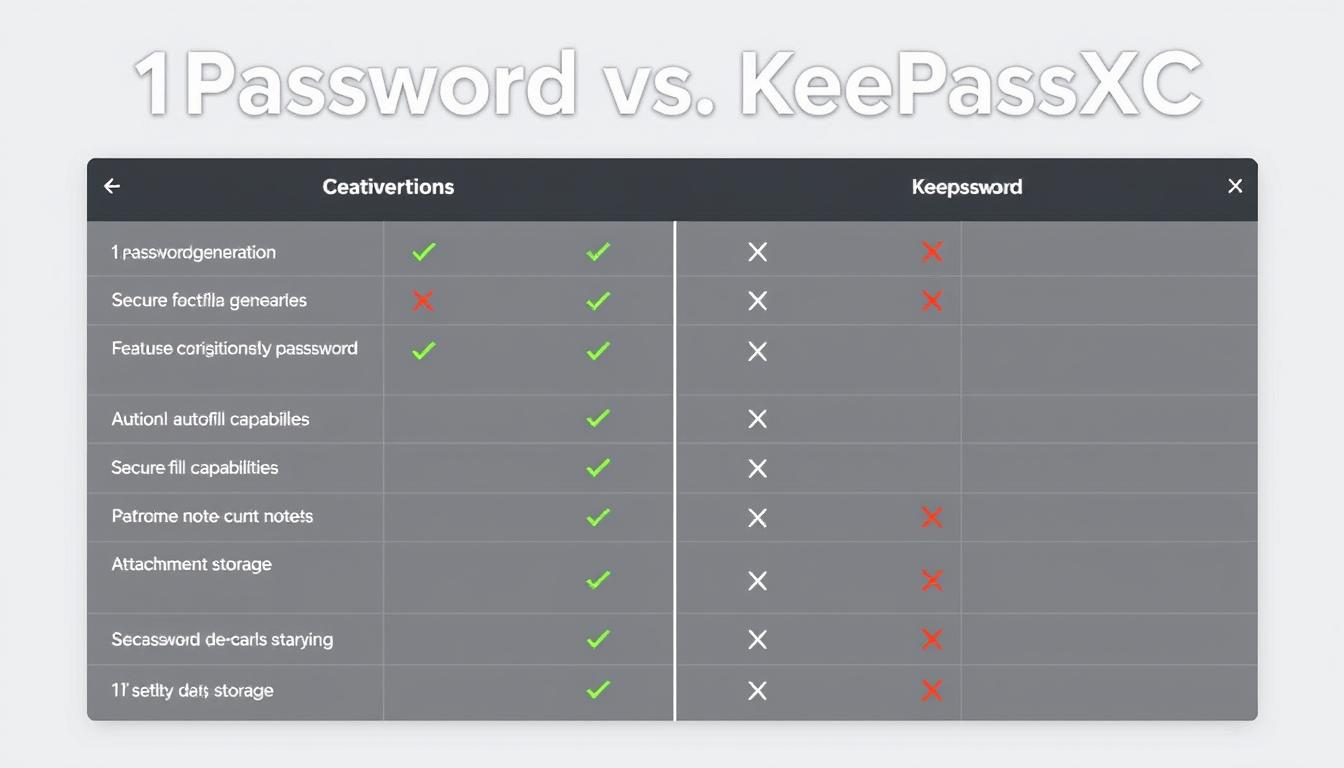
How can I organize and securely share passwords using Bitwarden?

Within Bitwarden’s password vault, you can effectively manage your passwords using folders and tags for organization. It also enables secure sharing of passwords or notes with trusted individuals or teams without exposing sensitive data, ensuring safe collaboration.

What business solutions does Bitwarden offer for enterprise password management?

Bitwarden provides enterprise-grade features including centralized user account and password management designed to meet the needs of businesses seeking a robust and secure password management solution.

What pricing plans does Bitwarden offer in 2025 and which one should I choose?

Bitwarden offers multiple pricing tiers: a Free basic plan suitable for individual users; a Premium plan that includes advanced security features; and a Family plan supporting up to six users. Choosing the right plan depends on your specific needs for security and user coverage.

........................................................................................................................................